 The Iconoclastic Society
The Untold Stories:-
A jewel is a precious stone but is a sellable commodity. It can be traded, furnished, tarnished, and re-evaluated; but when it finds its place on the crown, it becomes a reverent figure of preservation and projection of power. Lest it should find its place in the dusty lockers or in the shop of jewellers. Similar is the story of a region whose glory now has become a folk tale. The glory of this community faded away and was lost in the dusty lockers of history. It is the story of Kalinga, a.k.a. Odisha—the El Dorado of pre-colonial India. ‘Kalinga’, the Sanskrit word, translates to ‘Conqueror’ in English.
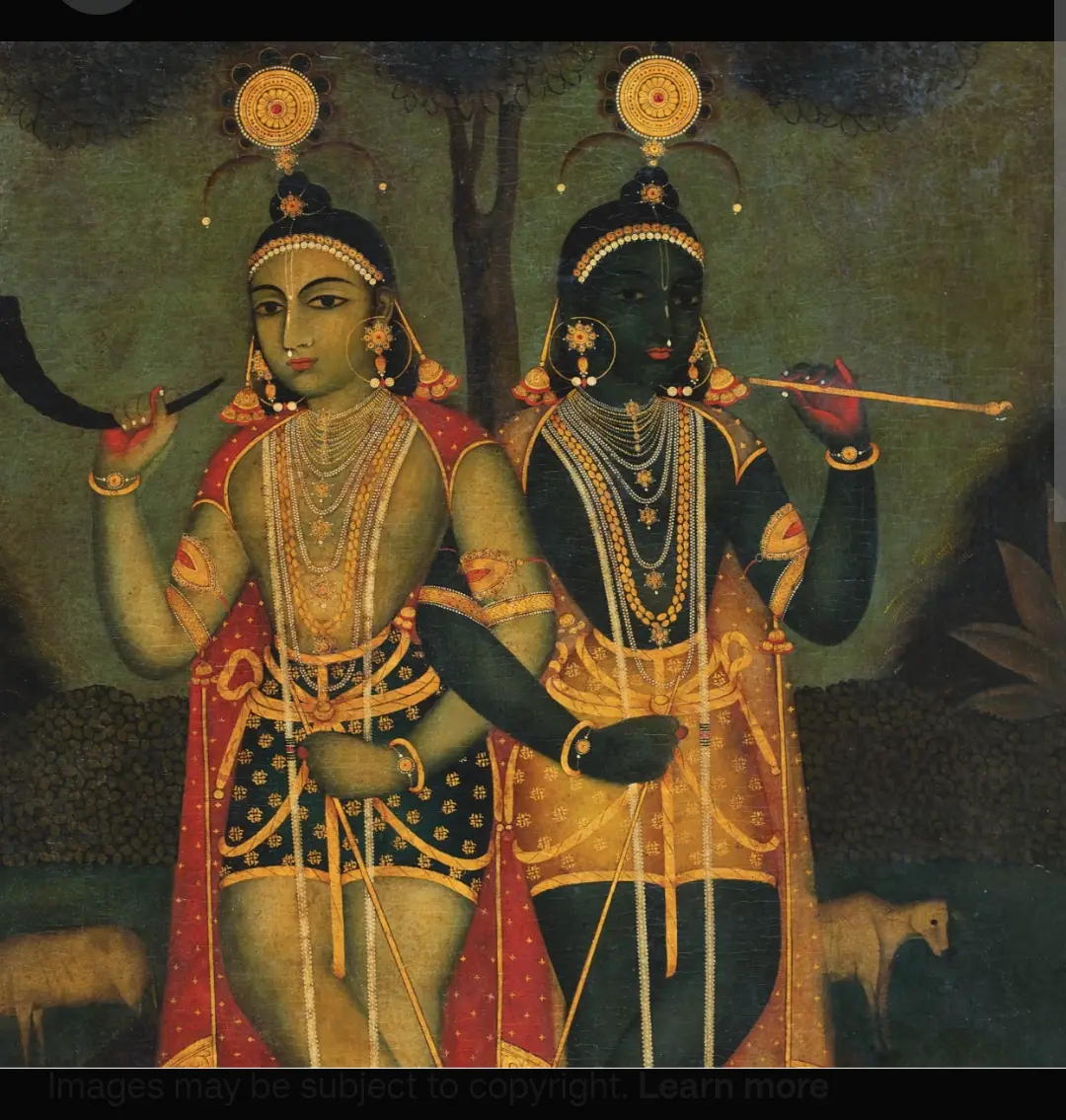
A land of unparalleled wealth, prosperity, and glory that could only be matched by the Bengal region in the pre-colonial era. If Bengal had become an economic powerhouse exclusively on the shoulders of massive agricultural surplus and a thriving textile industry, Odisha, on the other hand, had a multitude of sources which powered its economic engine. Extensive diversification made this region less vulnerable than any other place in the subcontinent.
§1The Golden Delta of the Sadhabas
This robust financial ecosystem of Odisha is solely attributed to its advanced human intellectual capital—from maritime trade, commerce, and financing to hyper-specialised skills of shipbuilding, weapon manufacturing, sculpture, and pottery. To begin with, let’s understand the vital geographical advantages of Odisha that gave it an edge above all.
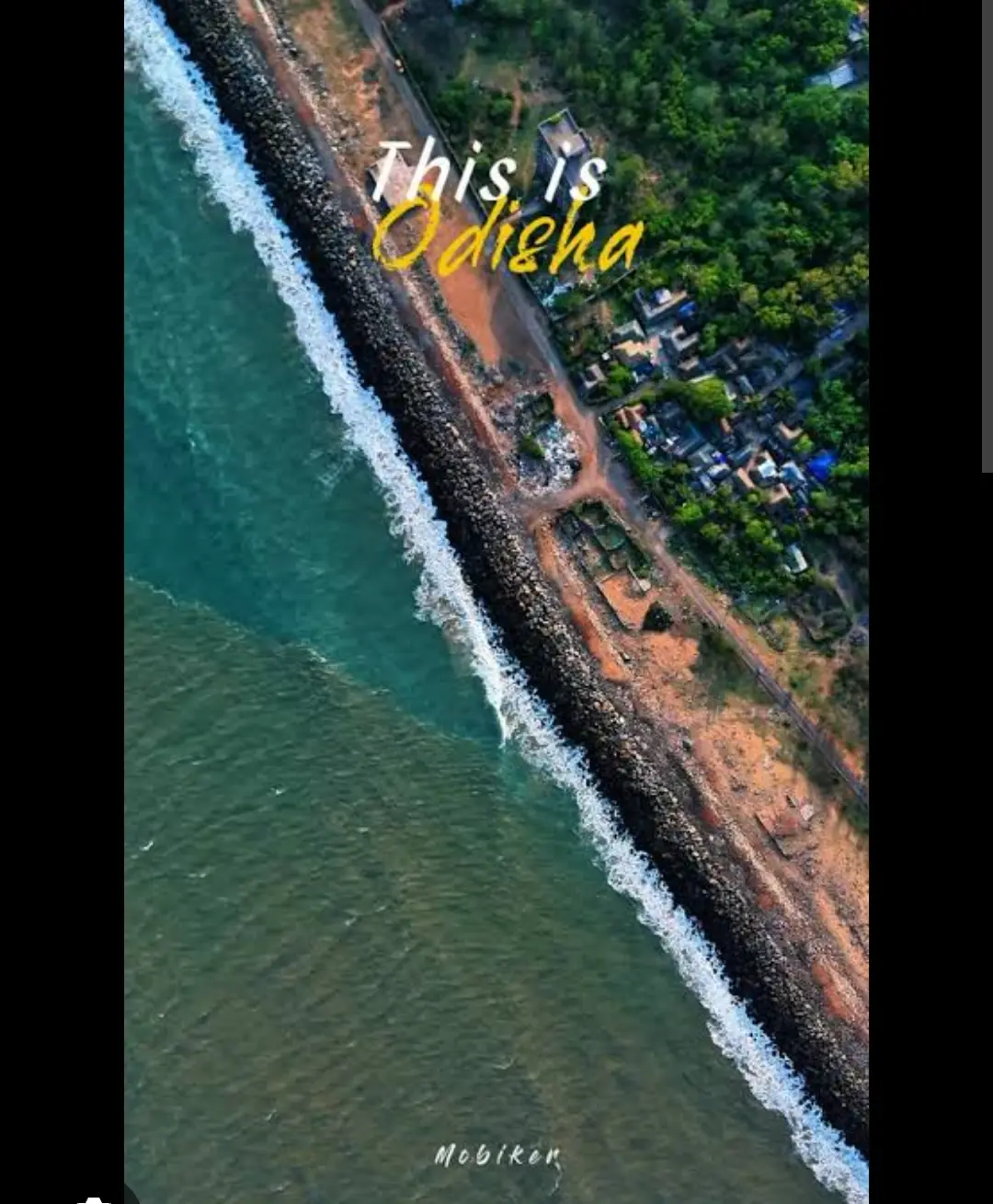
After the Ganga-Brahmaputra plains, it had one of the largest river drainage systems, which included the trio of the Mahanadi, Baitarani, and Brahmani spreading across the length and breadth of the state. It provided vast swathes of fertile land where crops like paddy could be grown thrice a year. It delivered permanent food security to the people with a large grain surplus. Food grains were cheap and affordable all year round, with no room for crisis.
This propelled the community to diversify its occupation as skilled workers in a plethora of fields like art, armed forces, maritime trade, and sciences. The Odias built an elite, state-of-the-art merchant navy which undertook trade expeditions to Bali, Borneo, Java, and Siam (Thailand). They exported high-quality local textiles, iron, and glassware, and returned with gold, spices, sandalwood, and tin. They were called the ‘Sadhabas’, the most affluent class of people in medieval Odisha.
Ports like Pipli, Balasore, Manikapatna, and Palur collected heavy import duties from the Dutch, British, and Portuguese traders. These ports served as a supplier of jobs to the local people in shipping and shipbuilding. The dense jungles of the inner reaches of Odisha had large tracts of teak and sal trees, which supplied the high-quality timber used by the shipbuilding industry to construct massive fleets of commercial vessels. A specialised traditional ship called the ‘Boita’ was crafted to bear the extreme weather and wind patterns in the Bay of Bengal.
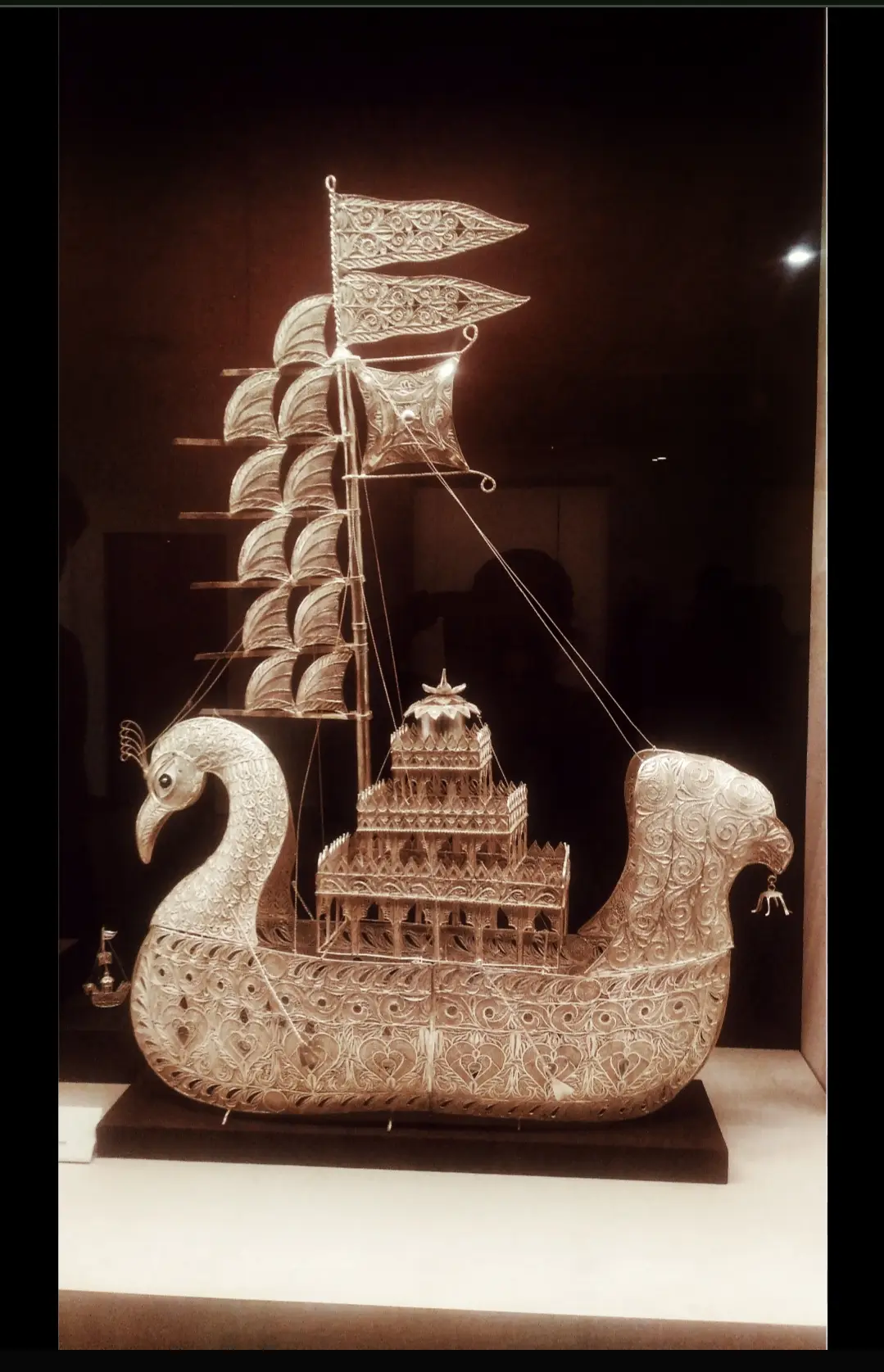
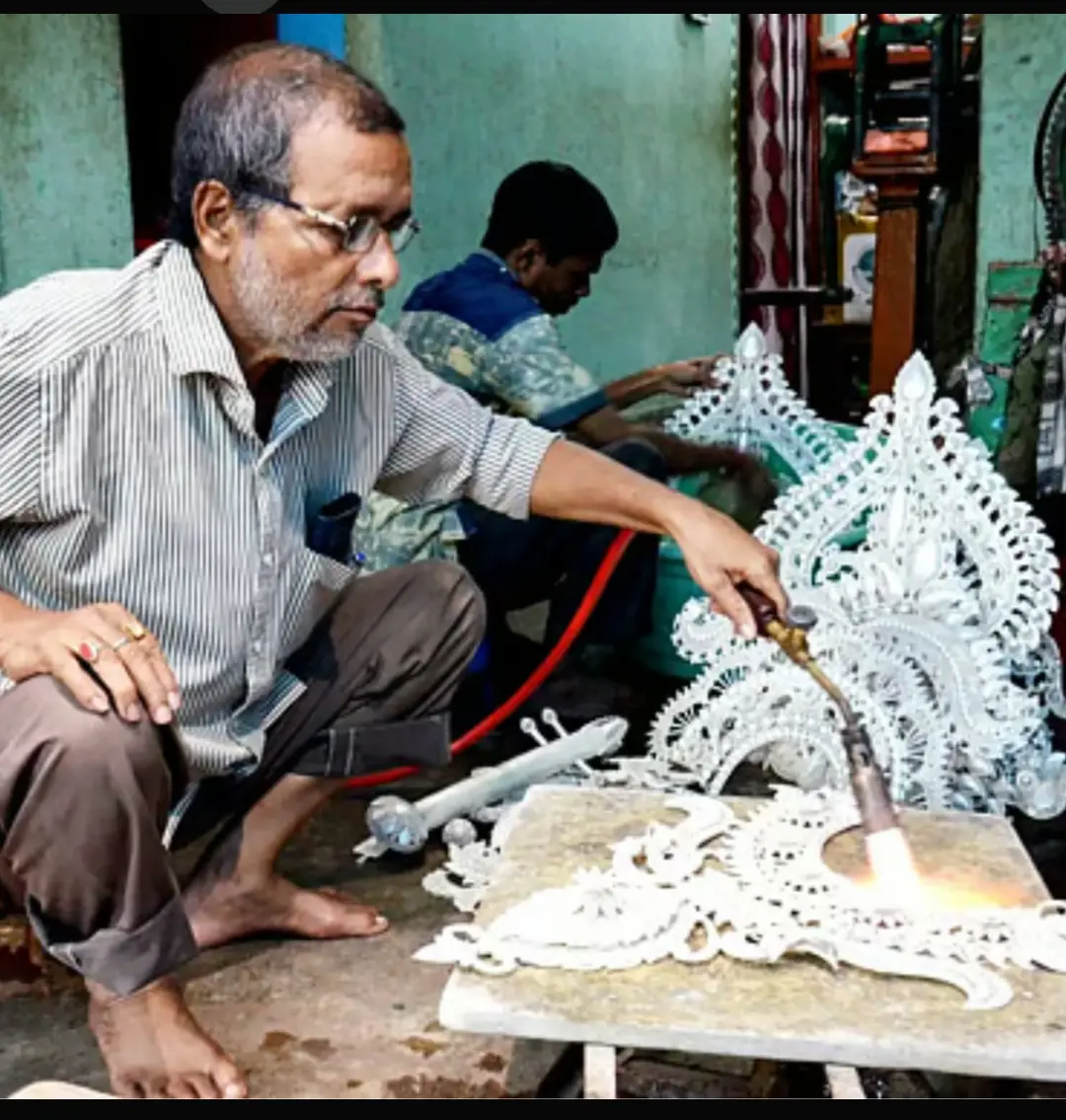
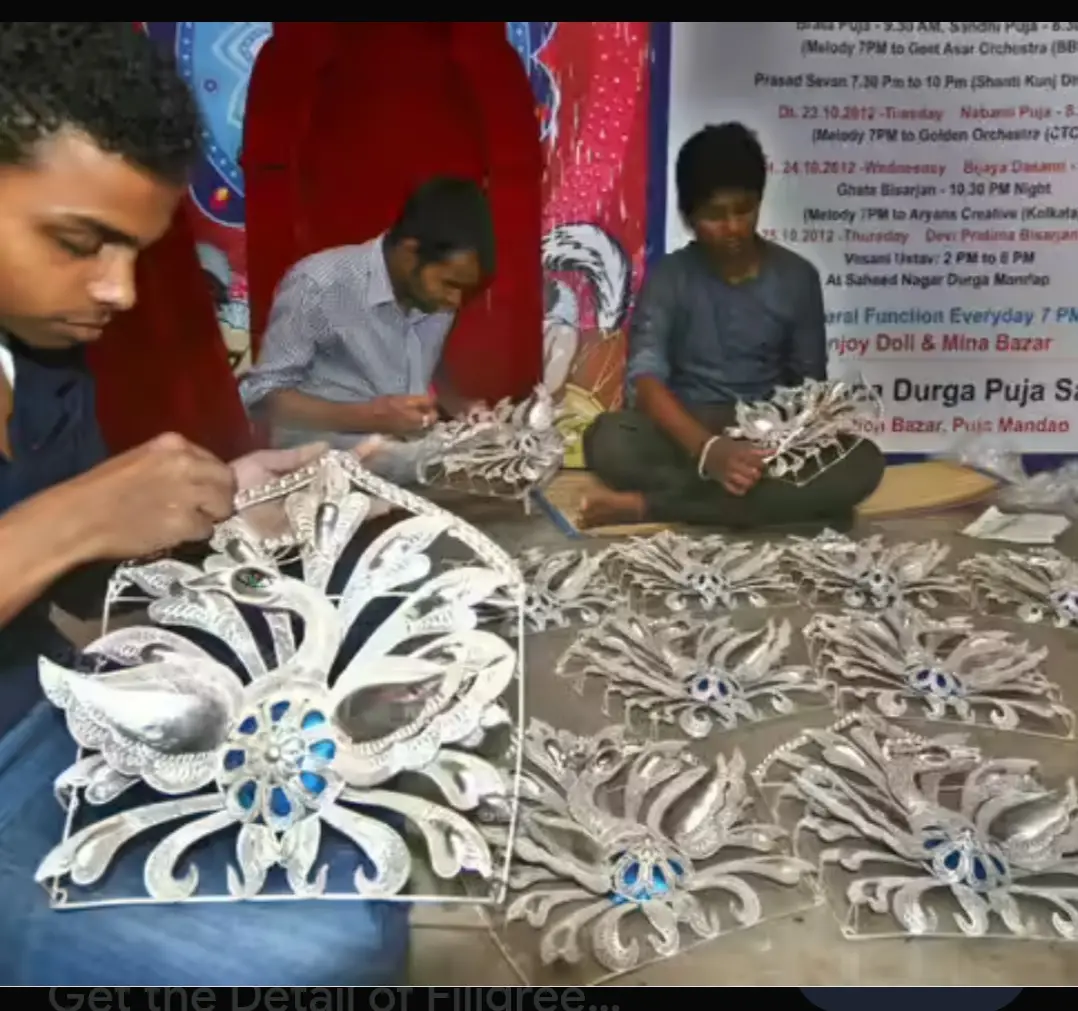
Odisha sits on a treasure trove of natural resources like iron ore, bauxite, and other precious minerals. The river delta of Sambalpur was famous worldwide for its diamonds. The interior river channels helped to transport these minerals to the industrial regions of Cuttack, Pipli, and Konark, which boasted highly skilled artisans and arms manufacturers who were adept in metallurgical science, the art of weapon-making, and silver filigree works. These finished goods, including high-grade weapons and exotic silverwork, were sold to other Indian kingdoms in exchange for lump-sum amounts of gold and silver.
§2The Might of the Gajapatis
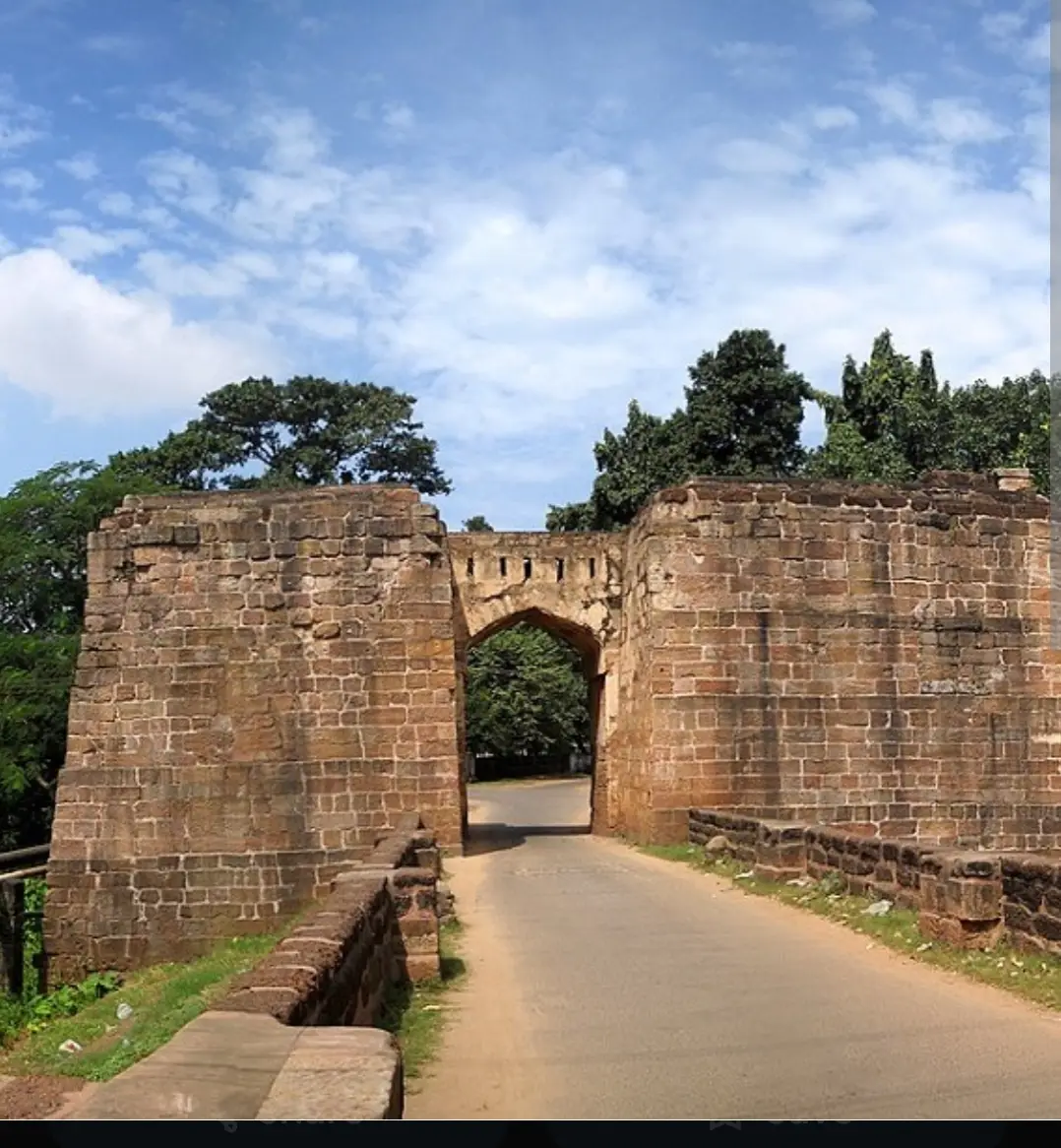
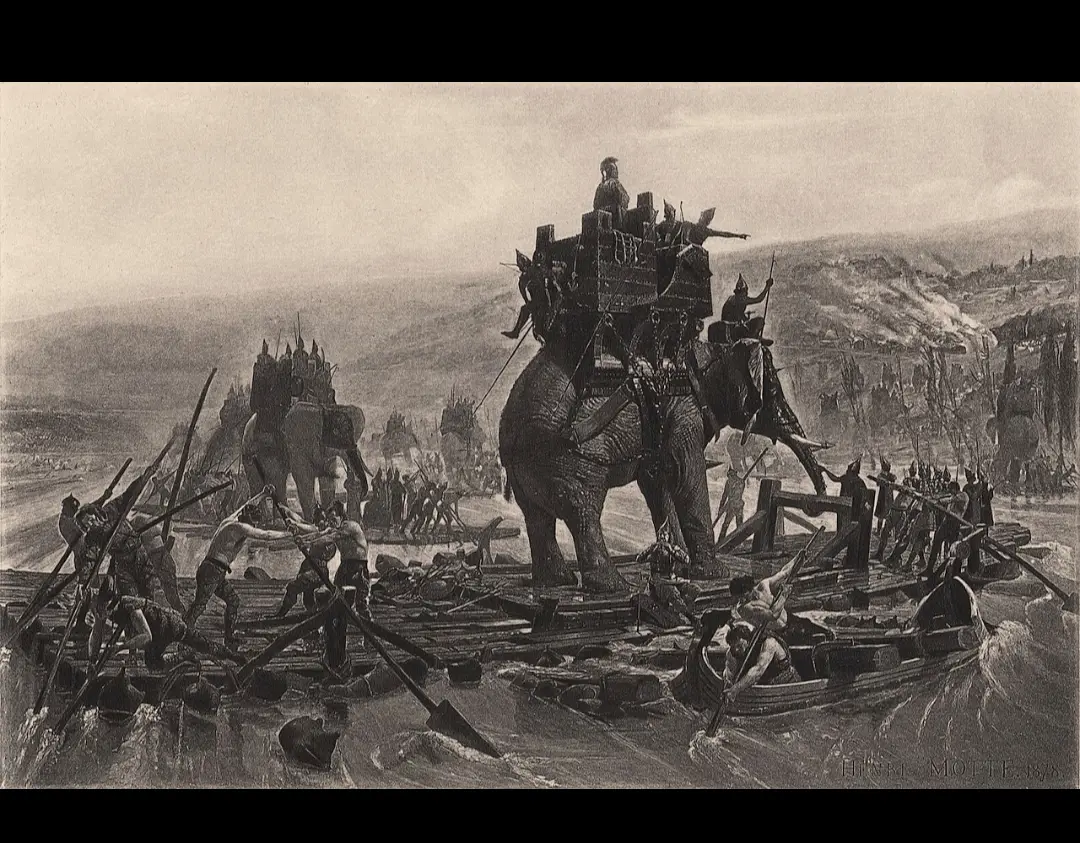
The Kalinga region experienced a longer duration of political stability under native Odia rulers. This was thanks to the geo-strategic location of its forts—surrounded by rivers on all sides—and towering hills that gave a perfect watch over enemy lines. High-grade iron weapons added to the king’s elite arsenal. But the X-factor that helped the Odia kings to add gravitas to the course of warfare was their large herds of Asian war elephants. They were the medieval battle tanks that could crush enemy lines in quick succession.
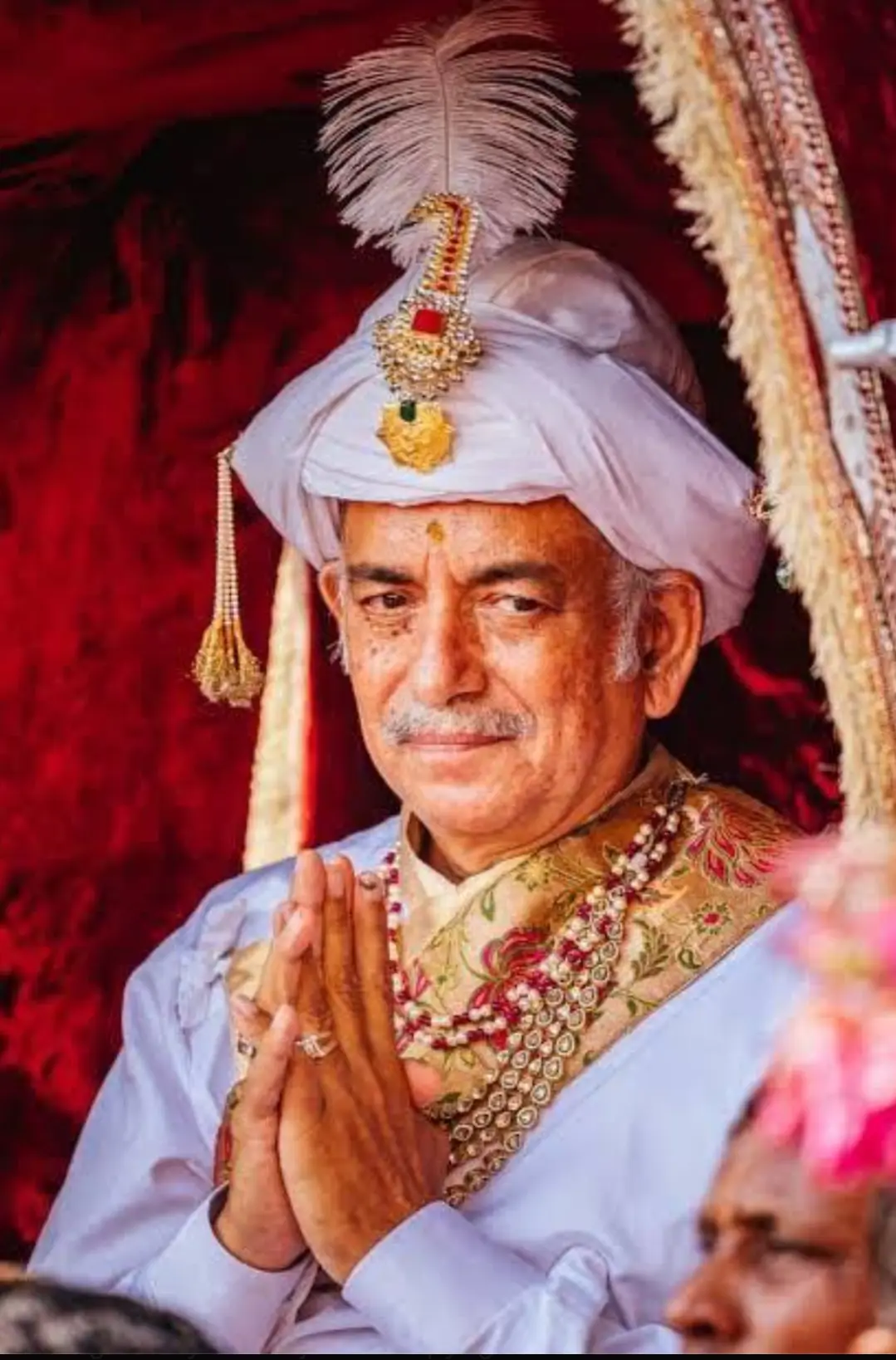
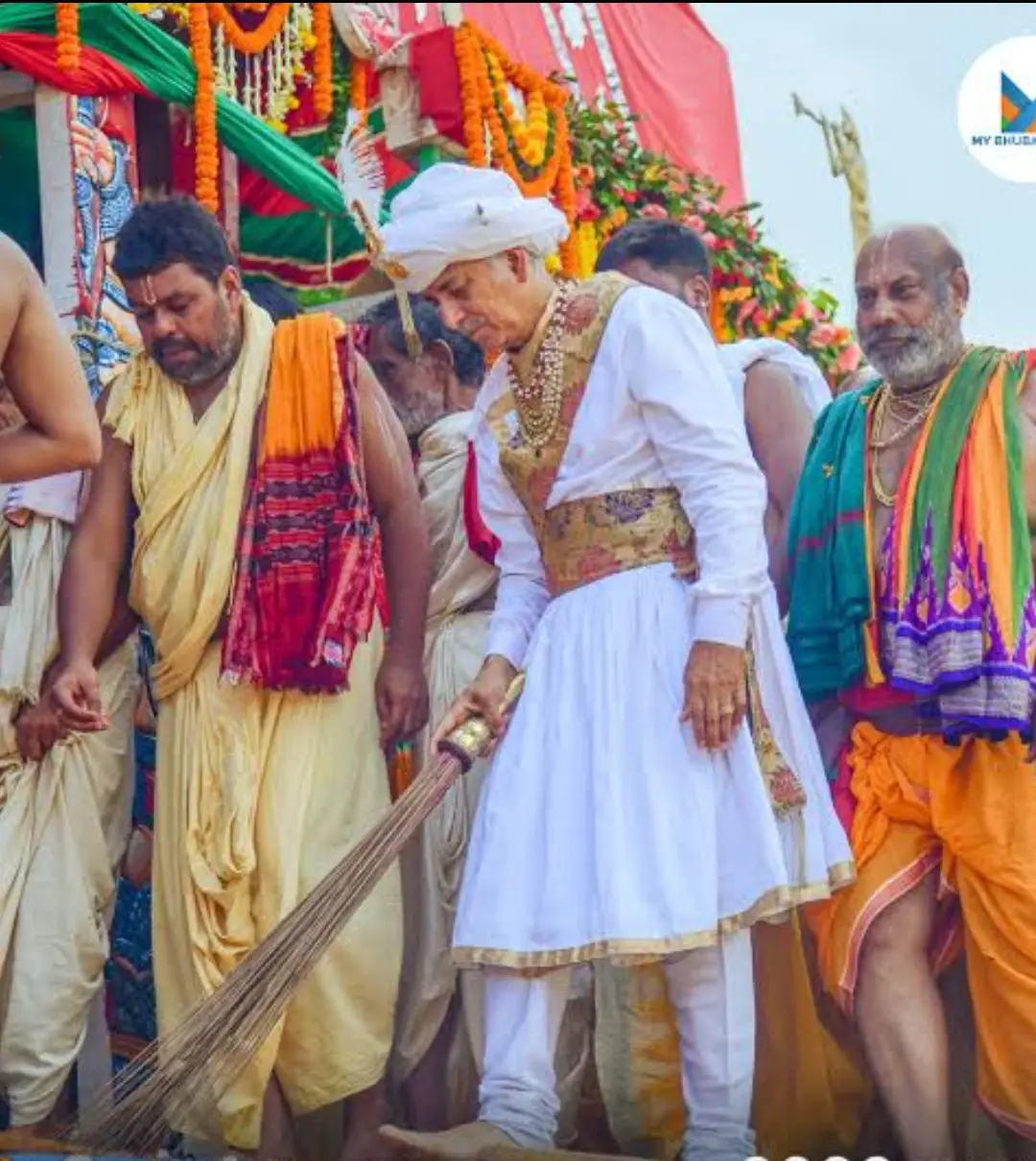
Famous pundits of statecraft and foreign travellers like Kautilya (Chanakya) and Hiuen Tsang mentioned these highly trained war elephants, which were sold to north-Indian kingdoms at soaring prices. These war elephants were among the finest beasts in the subcontinent and famous worldwide; the rulers of Odisha, thus, were called ‘The Gajapatis’.
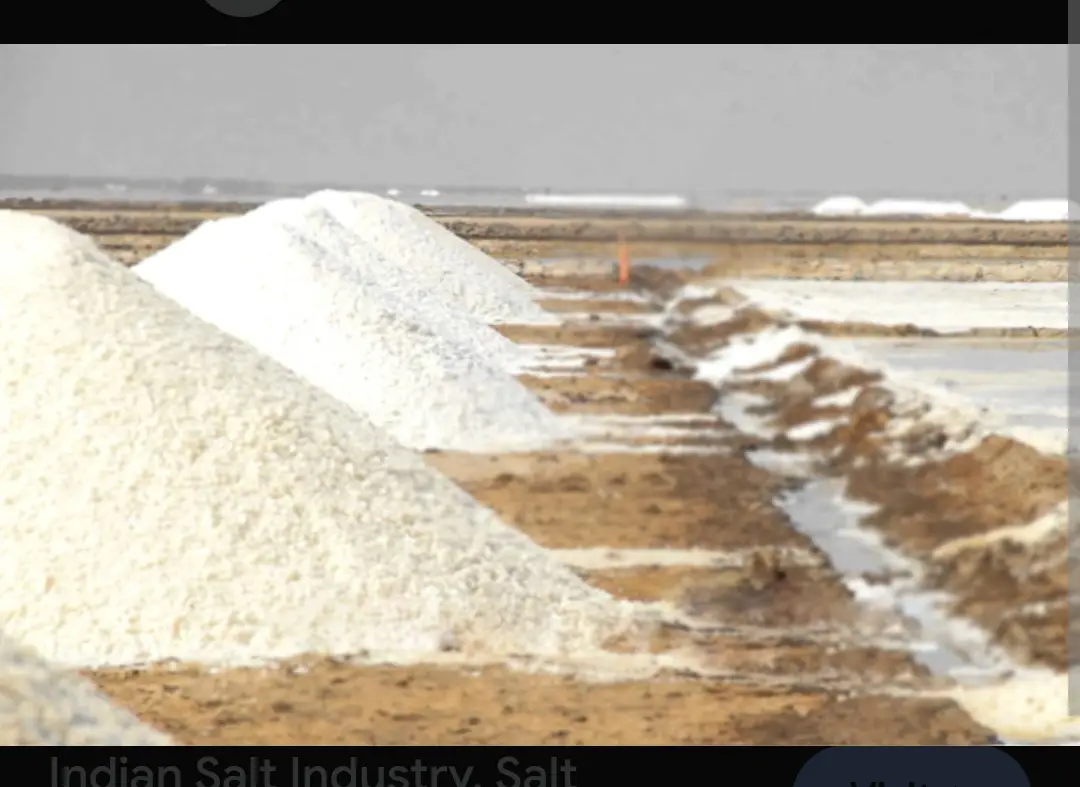
Odisha Salt industries
The royal kitchens and common households boasted of delicious local cuisine, flavored with the purest culinary salt in India. It was called the ‘Pangalanvan’. The unique saline deltas harboured the world-famous salt-making industries (Malangis) that exported salt in massive quantities to Bengal, Bihar, and the central plains.
§3The Peak of Cultural Splendour
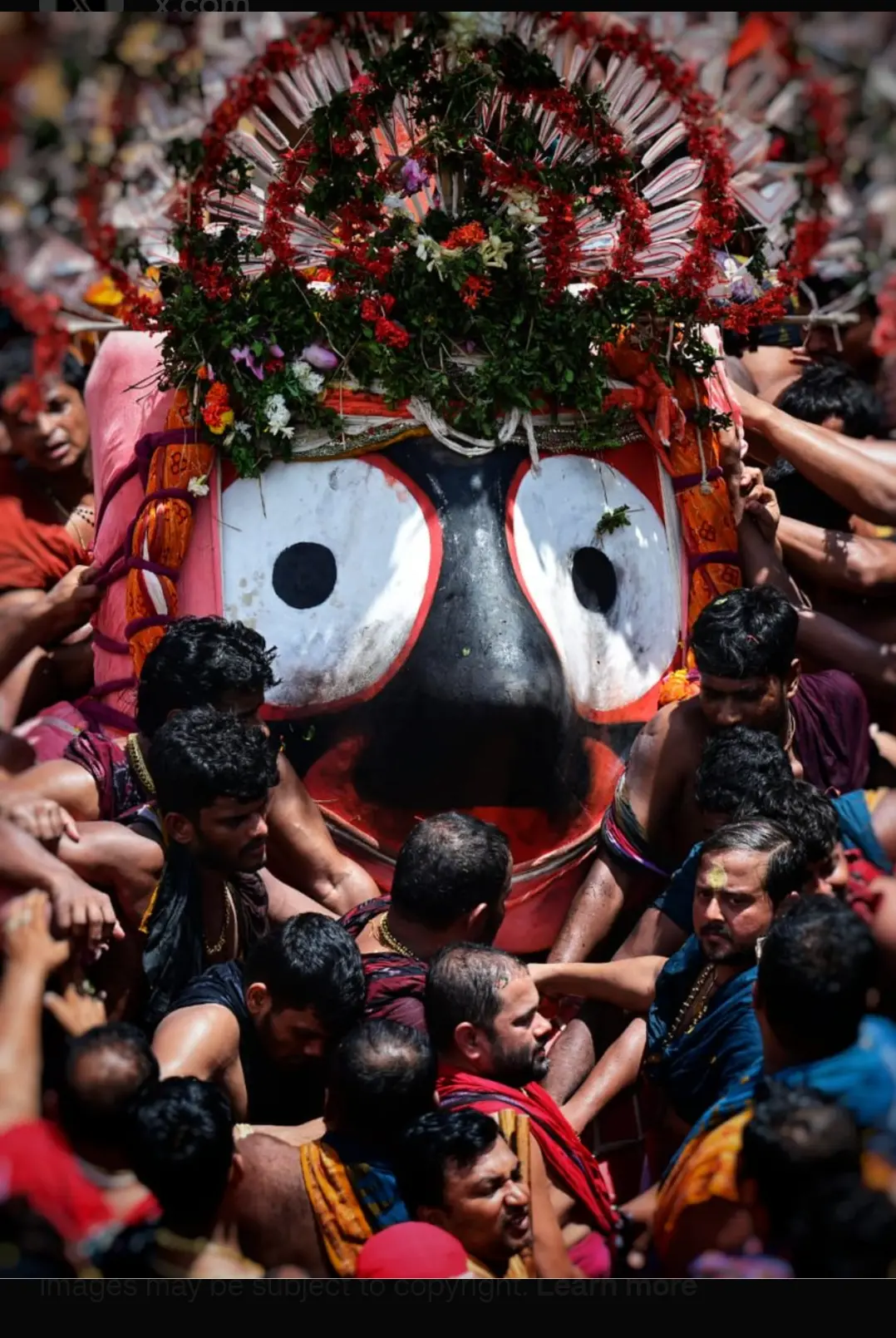
All sorts of military might, political stability, and wealth paved the way for flourishing art, architecture, and sculpture. The kings funded massive amounts of wealth into building the architectural marvels of Konark, Lingaraj, and the Jagannath Temple. These man-made wonders flexed elite masonry, professional sculpting, and stone carvings that still amaze modern-day architects. Each stone carving depicted the intricate details of human emotion and daily activities. The temple centres of Puri, Konark, and the Khordha region served as global cultural hubs that powered the economy and gave livelihoods to thousands of people.
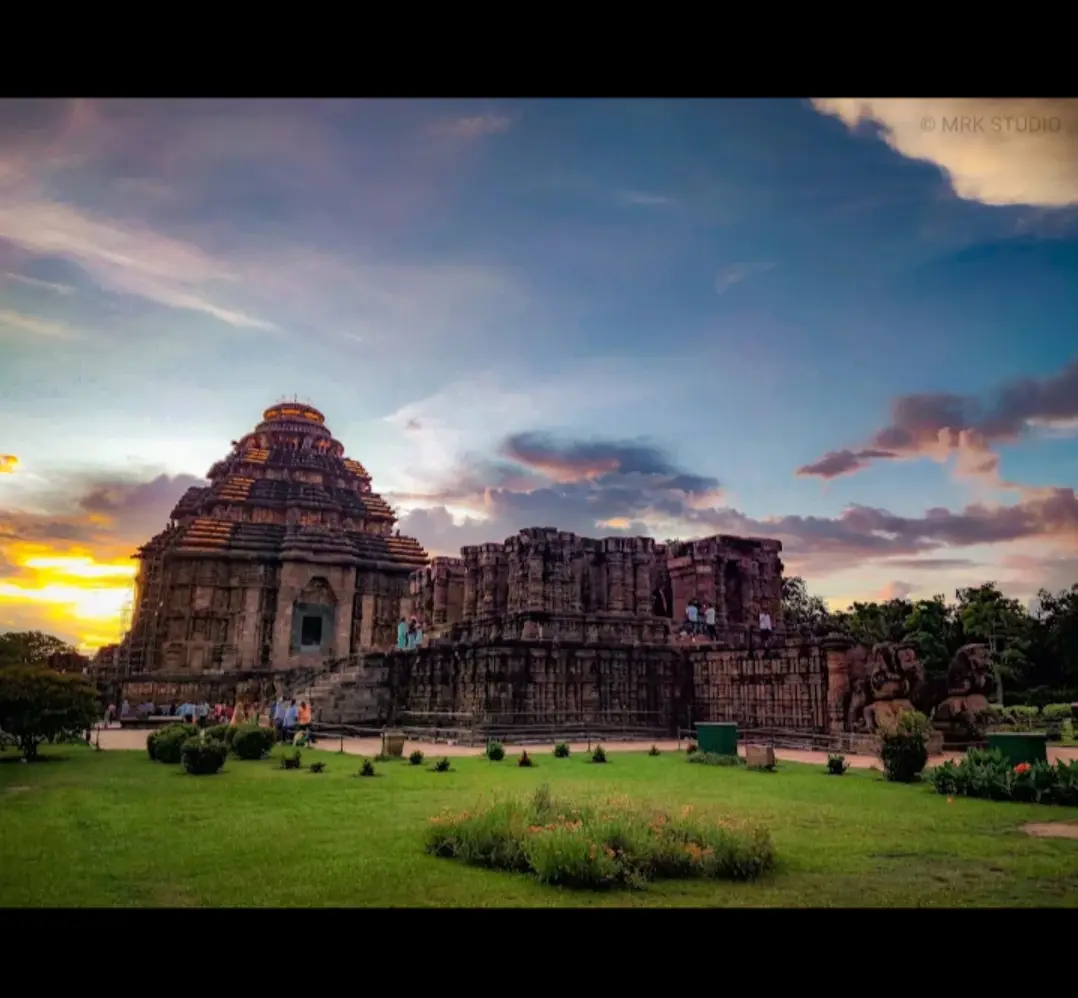
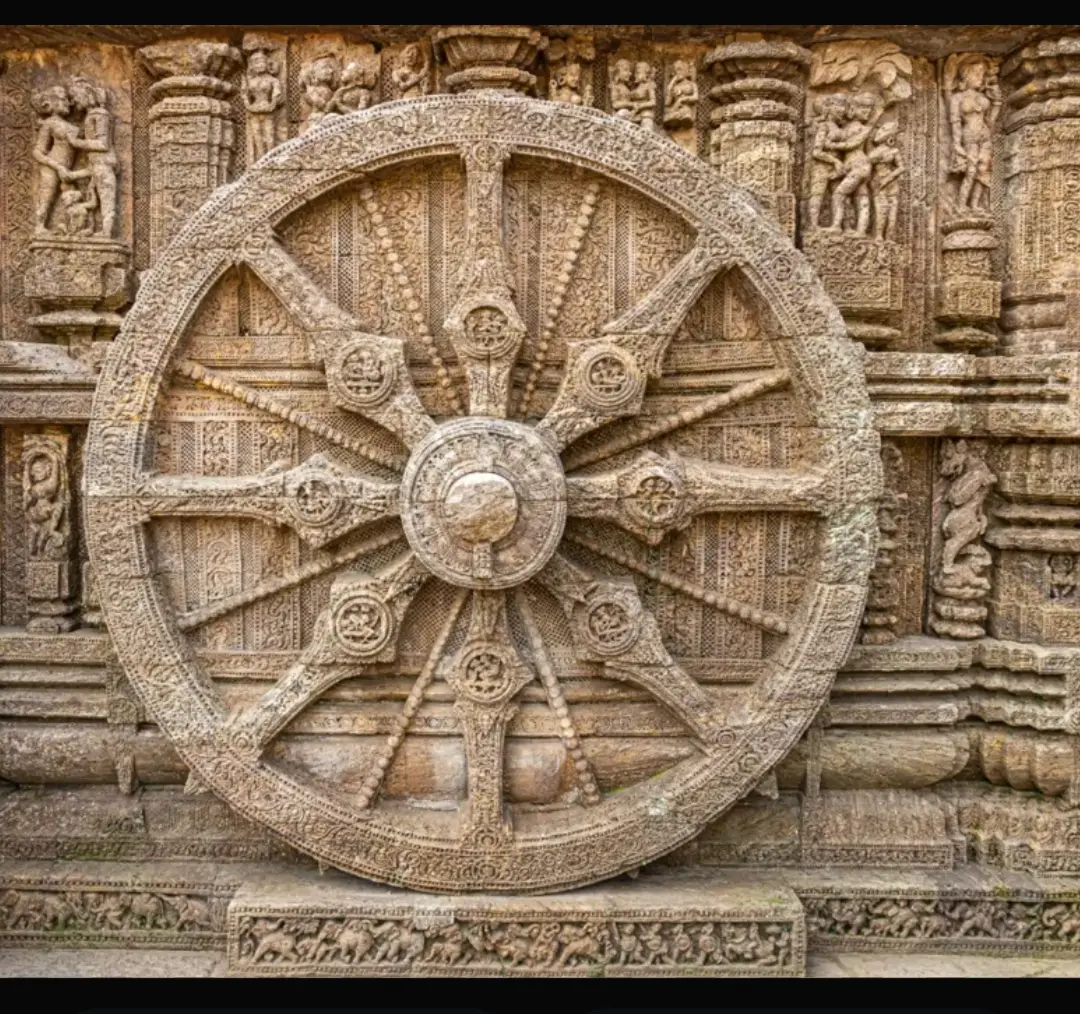
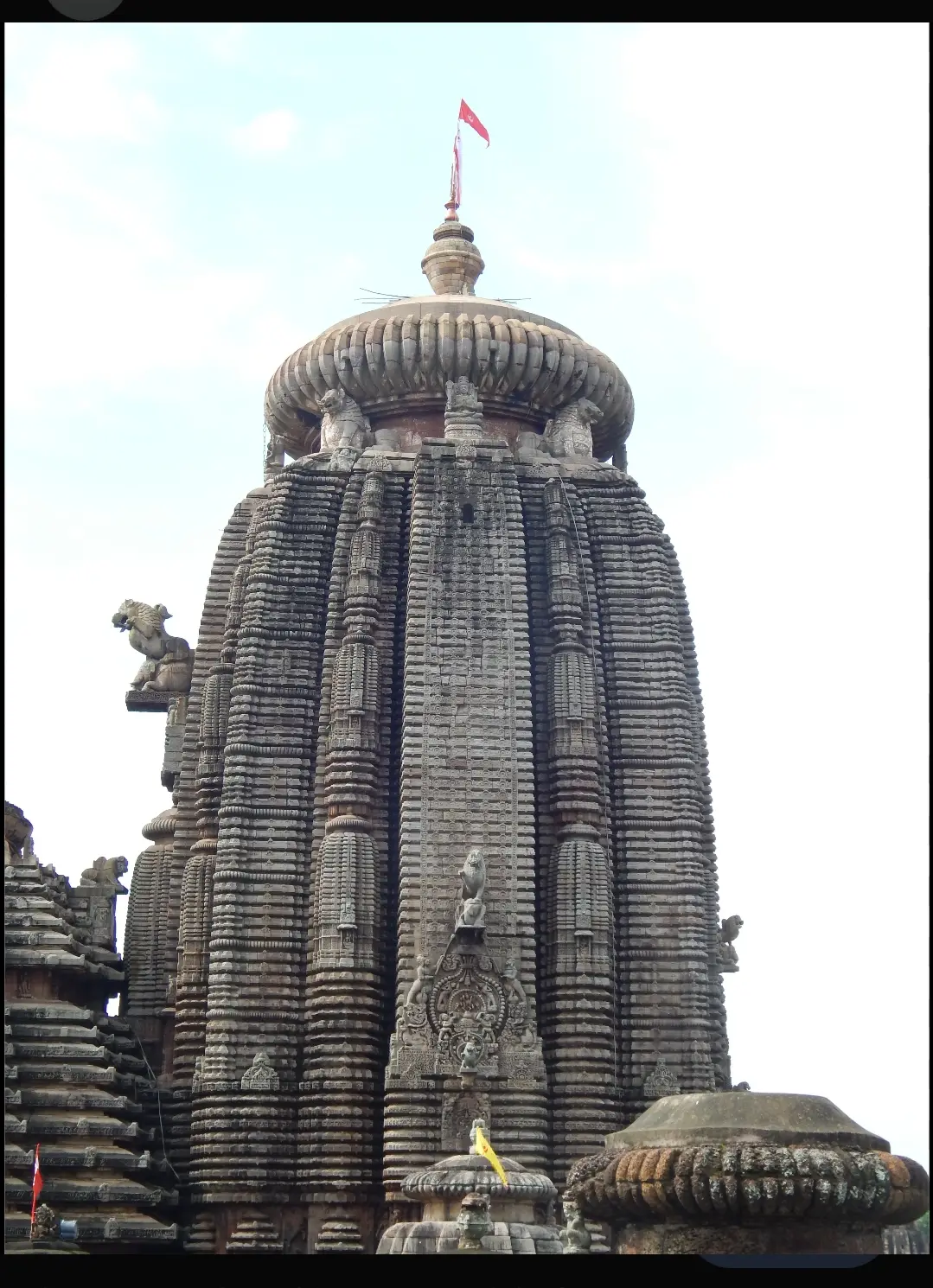
To anyone residing in Odisha today, this might sound like a utopian folktale, but it was once a reality. Eventually, these tales of prosperity met with a tragic end. Dark clouds of colonial exploitation and imperial greed ruined every ounce of wealth that once glorified these lands.
§4The Machinery of Ruin
When the British took over in the year 1803, Odisha was one of the most prosperous regions on earth. The coastal belt of this region, as per official documents during the colonial reign, alone could fetch 1,314,827 silver rupees—representing hundreds of crores of rupees in surplus value today. The dismantling of Odisha’s economy was undertaken through a well-planned, systemic method. The British enforced the Zamindari system in the fertile and resource-rich regions of Bengal and Odisha, employing the most ruthless methods to extract the maximum possible amount of wealth.
Under the Sunset Laws, Zamindars were compelled to deposit fixed revenue collections by the sunset of a particular date, or else their lands would be confiscated and auctioned off to wealthier businessmen in Calcutta. The revenue administration didn’t provide any form of philanthropic concessions during times of drought, famine, or flood. To hasten the process, Zamindars hired local henchmen for extortion, abuse, and forced extraction.
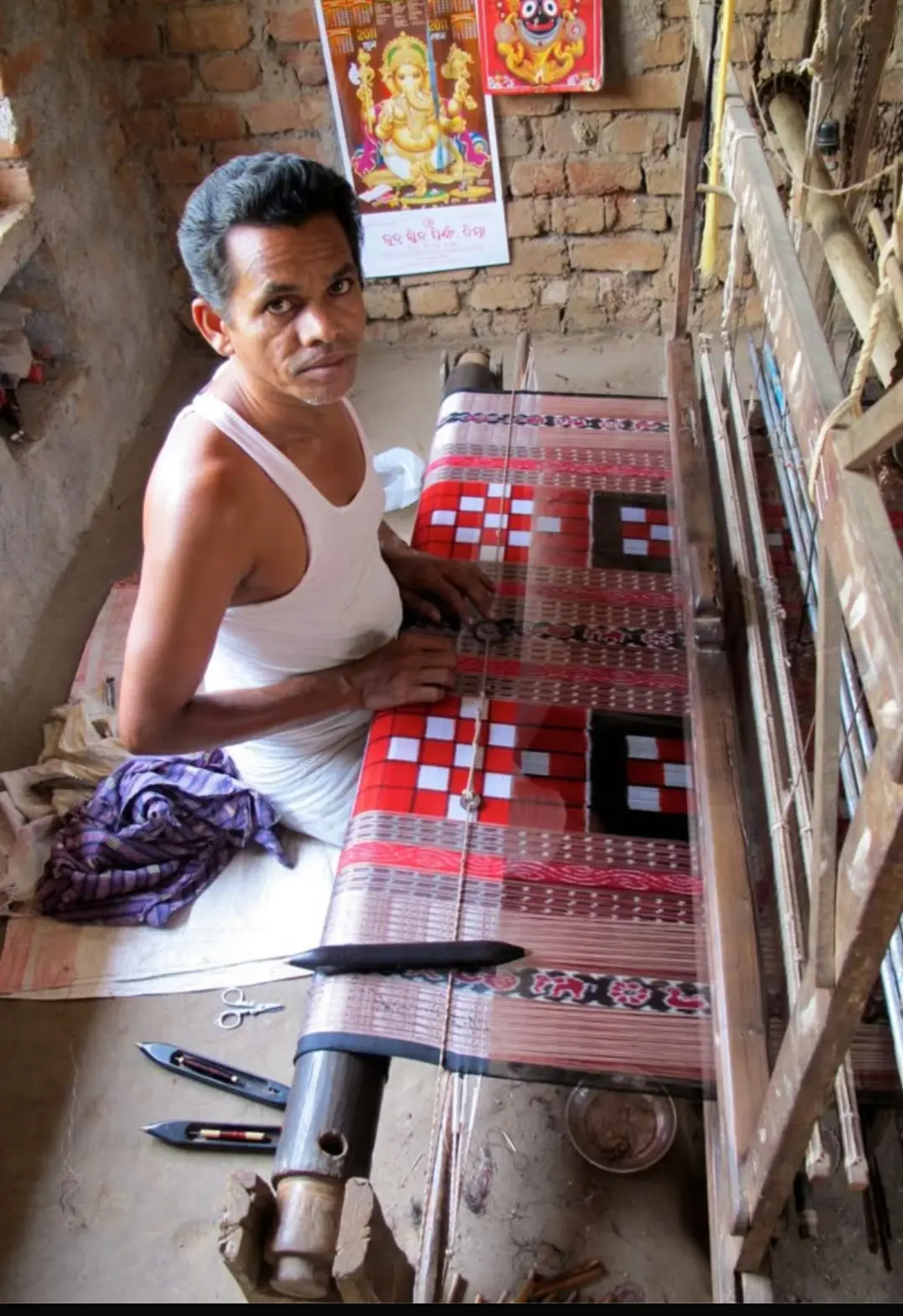
The textile industry of Odisha boasted of high-grade silk and cotton that had made it an export hub to the world. 'Sana' (fine muslin) and 'Gingham' were highly prized white cotton cloths that were favorites in European markets. 'Romals' were highly decorated, fine cotton squares exported to the Middle East and Europe alongside Tassar (native silk). After the Industrial Revolution, the British produced cheap, machine-made cotton clothes in massive quantities. These flooded the Indian market duty-free, while astronomical tariffs were enforced on Indian products entering Britain, strangling the income sources of skilled artisans. Domestic producers couldn't compete, the industry collapsed, and artisans were pushed to destitution and manual labour.
The local salt-making industry was criminalised and banned in all parts of Odisha to force the import of cheap, factory-made salt from Liverpool. This was a death blow to the local economy, as the industry had secured employment for lakhs of people.
Furthermore, taxes were collected purely in silver coins instead of a portion of the harvest. In pre-colonial times, a specific fraction of the crop harvest was given as tax, and the wealth generated by the King was reinvested in domestic industries, temples, forts, and public works, which generated mass employment. This ensured that money circulated within the kingdom and never left the subcontinent. During times of crisis like drought or flood, the shock was absorbed by the state, and taxes were dropped to zero.
§5A Silent, Manufactured Starvation
Under the British, ruthless measures were undertaken to extract wealth solely in the form of silver coins. This money was shipped out of the subcontinent to London to fund the salaries of British officials and colonial wars fought across the globe. It led to a permanent drain of wealth as it breached domestic circulation. Overdependence on silver coins led to the rise of predatory moneylenders who charged astronomical interest rates ranging from 50% to 100%. This was a tactical trap; once the crop was harvested, all farmers rushed to sell their produce at the same time to get silver, causing the market to crash. This immoral framework trapped peasants in an endless debt cycle.
No concessions were given by the 'Gora Sahibs' during adverse conditions. Sacks of food grains were confiscated and shipped out in crates to London and other colonies to feed the British Army. This series of unscrupulous events culminated in well-planned, state-sponsored famines which wiped out entire generations—not because of war, but of hunger and deprivation. The ‘Na’Anka’ Famine of 1866 led to the death of one million Odias, which constituted one-third of Odisha’s population at the time.
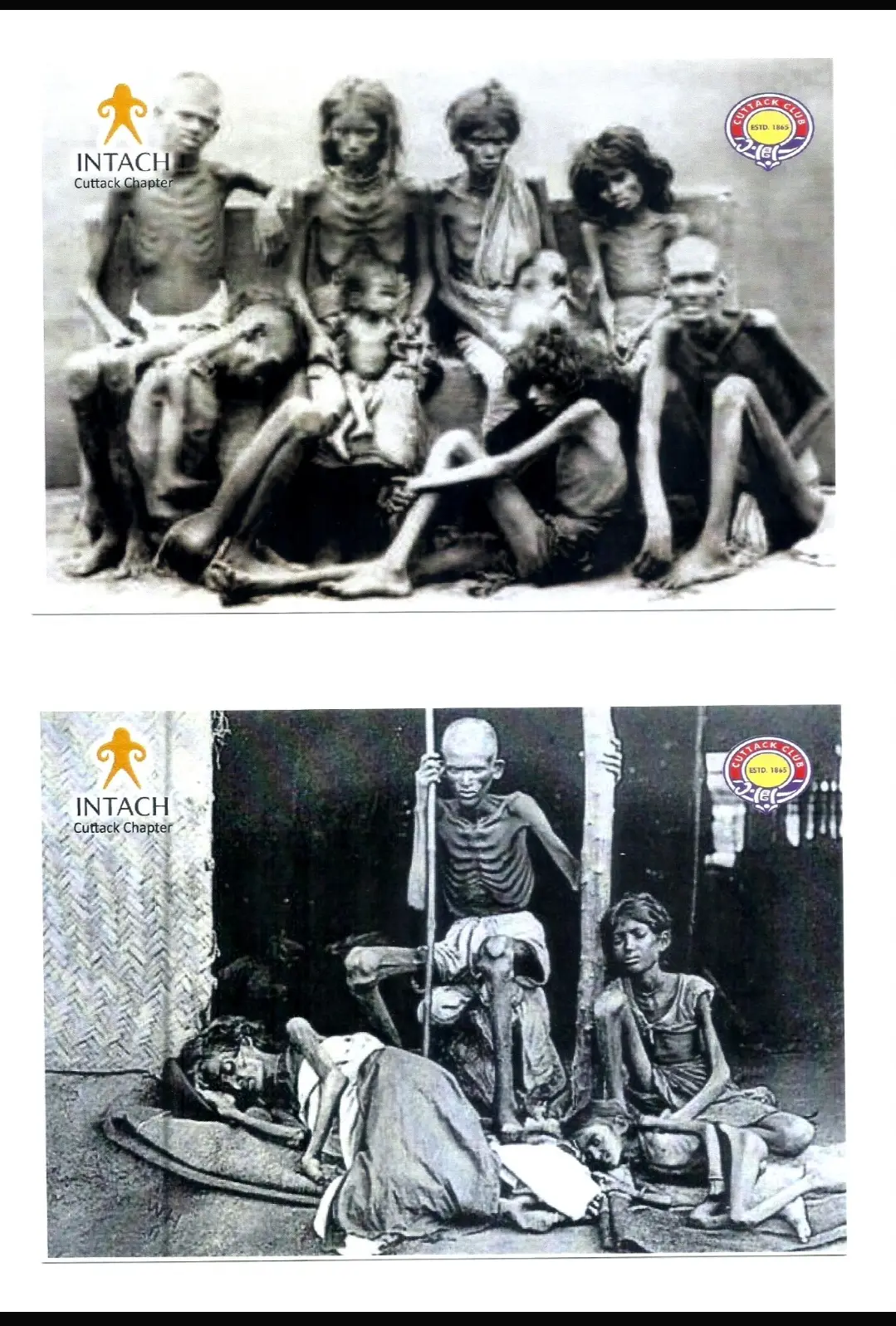
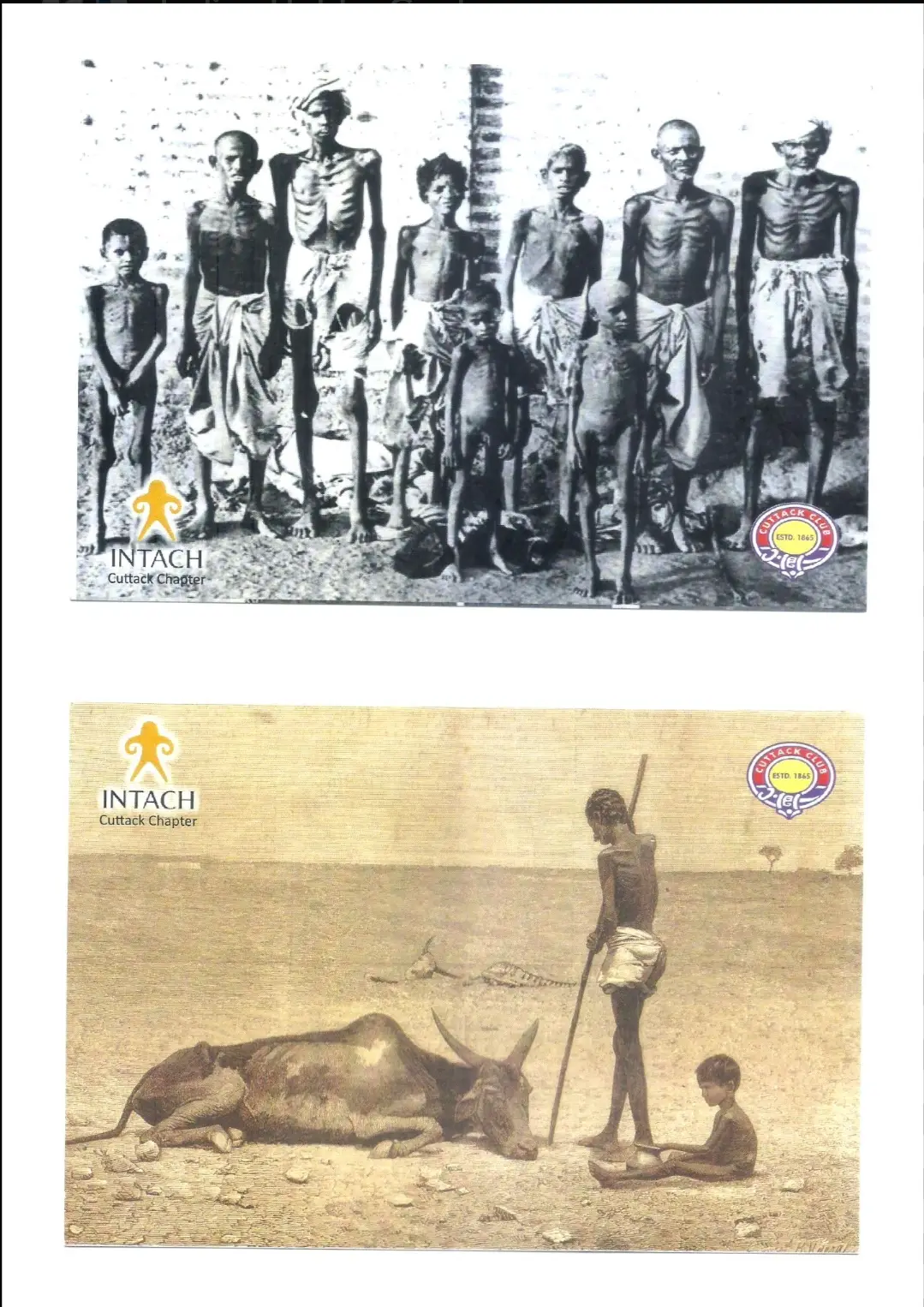
Further, after the brutal suppression of the Paika Rebellion in 1817, the British feared another uprising. They divided the Odia-speaking regions, merging small fragments of them into the Madras, Bombay, and Calcutta presidencies. The wealth extracted from these areas was used to build up metropolitan hubs like Madras, Bombay, and Calcutta, leaving the Odia-speaking belt in a state of chronic neglect, starved of resources and investment.
§6A Modern Stagnation
Post-independence, imbecile policies like the Freight Equalisation Policy of 1952 stripped Odisha of all its geographical advantages and largely profited business conglomerates in Gujarat, Maharashtra, and other western states of India. No MNC or firm made any effort to build a healthy consumer market and industry for the production of finished goods, which led to stagnation in job creation and economic growth.
§7Conclusion
The region that once boasted of immense wealth and prosperity, contributing to more than 20% of global GDP alongside Bengal, was reduced to a state of destitution with hands holding begging bowls. The entirety of this truth might not change your viewpoint of Odisha overnight, but it will surely force you to contemplate the civilisational glory of the Odias—a glory that has been forgotten, just like an old piece of jewellery closed up in a dusty locker, whic
h never made it to the crown.