Religion: A Civilisational Paradox
 Brahma Swarup Das17 Jul 2026 · 7 min read · 14 figures
Religion: A Civilisational Paradox
What is religion? The concept of religion varies across different regions of the world, carrying multiple connotations and its own unique set of rules and regulations. Religion’s fundamental definition revolves around the presence of a Supreme Being or an invisible entity that orchestrates and influences various aspects of human life—possessing even the potential to bind an entire civilization.
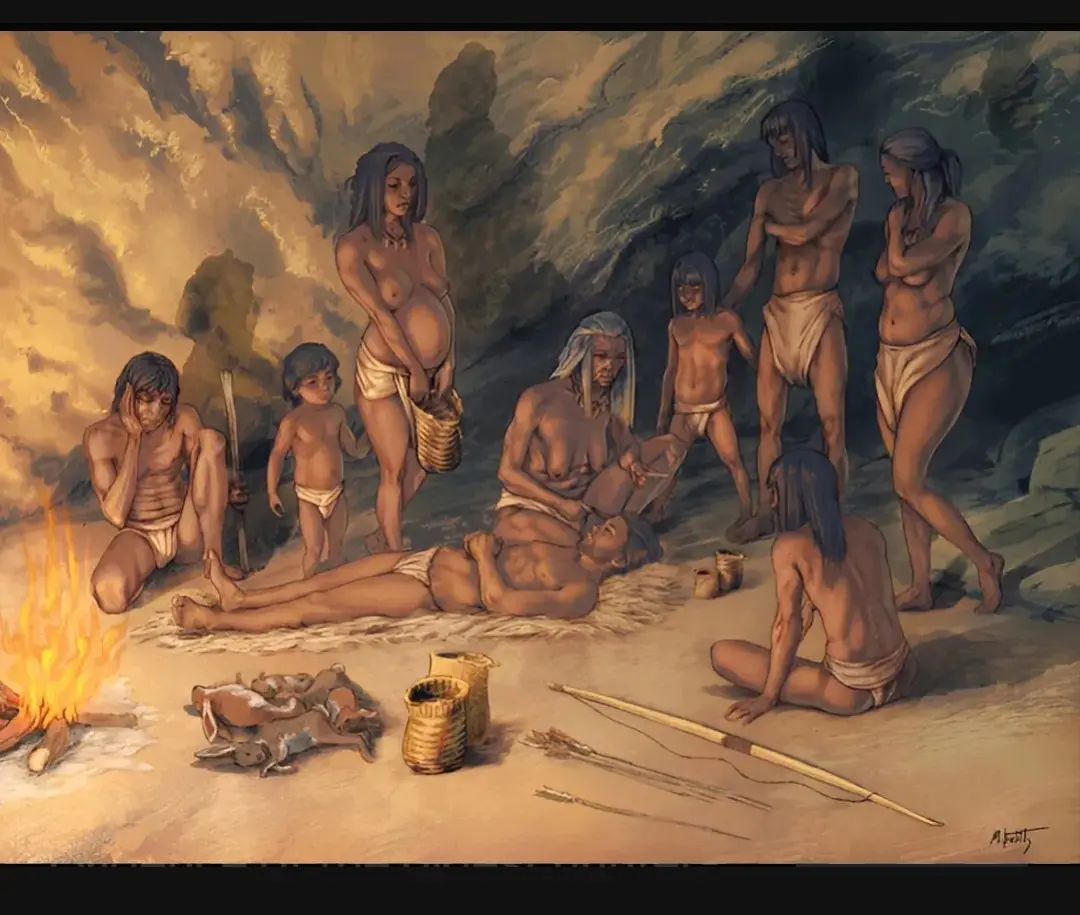
Early human beings were hunter-gatherers. They moved from one place to another without permanent settlements, earning their livelihood by hunting animals and collecting wild fruits and plants. During this era, a philosophical temperament was entirely absent. Natural phenomena like lightning, rain, wildfires, floods, and droughts garnered fear and triggered a dire need for immediate survival, rather than prompting reflection on a Supreme Being.
Ten thousand years ago, the advent of agriculture alongside other monumental discoveries, such as fire and the wheel, permanently altered the trajectory of mankind. Agriculture led to the establishment of permanent settlements, forming villages and human clusters called tribes.
Each tribe maintained its own set of rules and regulations to preserve law and order and usher in stability. This newly found stability allowed the human mind to finally question the phenomena occurring in its vicinity. Every natural movement and environmental development fueled human curiosity. Due to the lack of scientific apparatus and rational explanations, humans connected these phenomena to an invisible entity existing beyond human understanding.
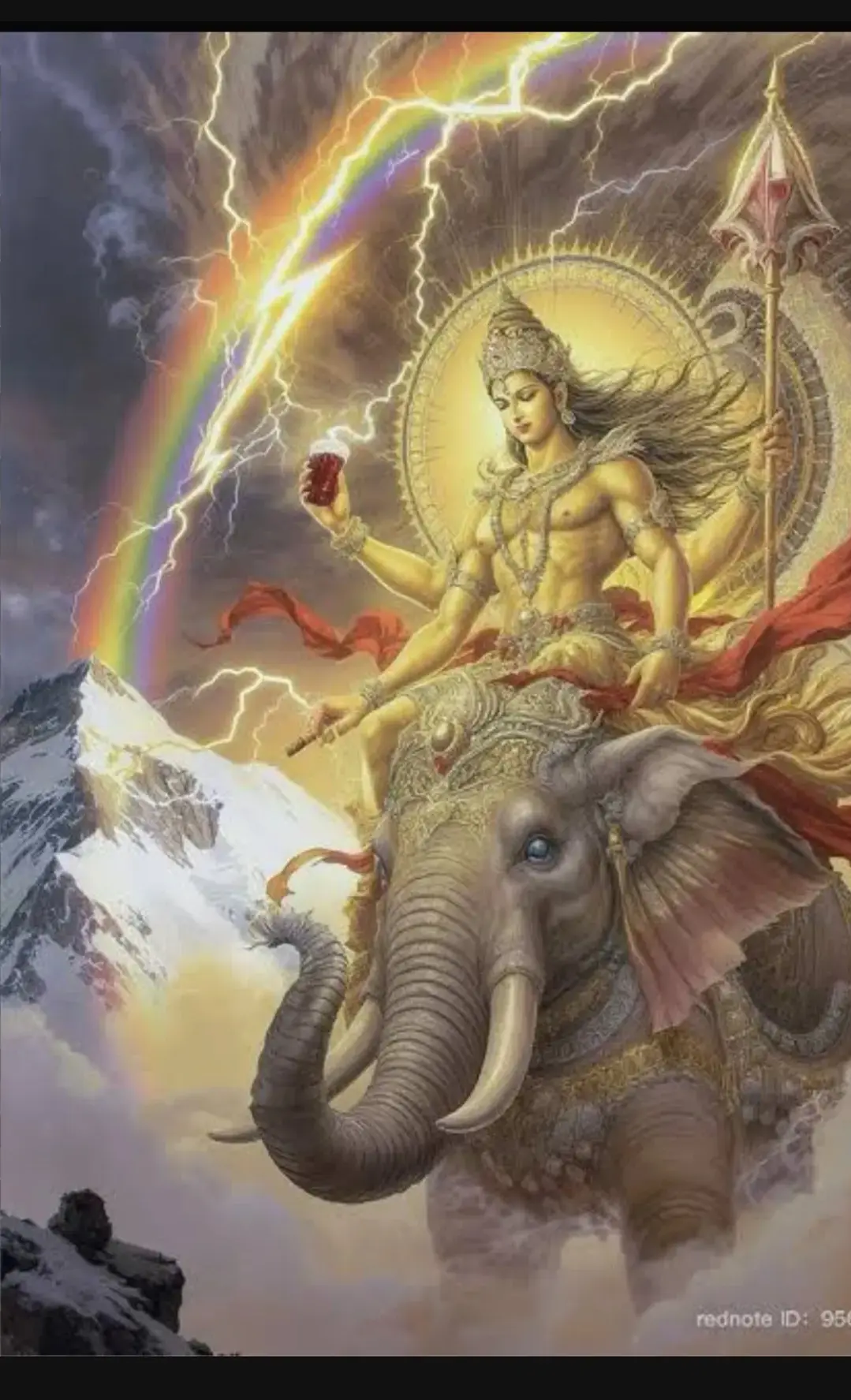
A pure, first-hand example of this dates back to the Rig-Vedic era with the advent of the Aryans. The god of war and rain was associated with *Indra*, fire with *Agni*, and wind with *Vayu*
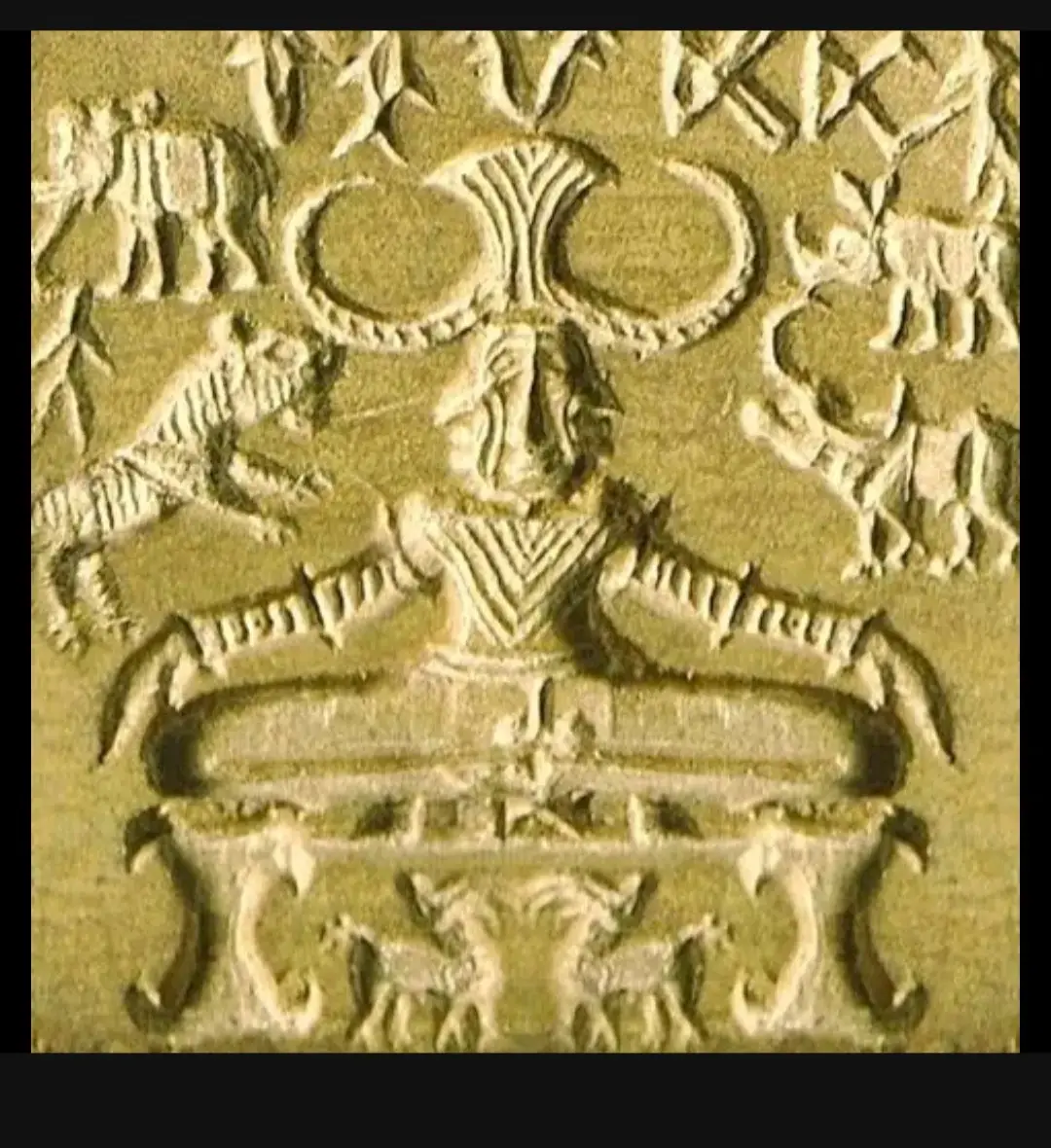
In fact, even before the Rig-Vedic age, any object that served as a core source of survival was associated with a divine presence. Animals like cows, bulls, and oxen were worshipped alongside trees, mountains, and rivers, forming the lifeline of the thriving civilizations of the Indus, Sumeria, and Mesopotamia. Aryan and Vedic mythologies share significant psychological similarities when compared to those of the ancient Greeks and Romans. In terms of pure human psychology, these divine entities filled a mental vacuum as humans searched for explanations, creating a well-knit society that lived in order and, most importantly, providing a beacon of hope during adverse conditions when common human abilities collapsed.
Throughout history, we have observed that religion served as an important pillar of survival for civilizations across the world. In due course of time, global religions became stratified with numerous philosophies, beliefs, and influential individuals. A common historical observation is that no religion possesses a completely stringent, fixed set of regulations; instead, all of them branch out into various sub-systems and sub-groups due to internal schisms and sectarian differences.
Across centuries of evolution, there emerged a small section of elite individuals who claimed a deeper understanding of the divine and held higher levels of cosmic authority within their respective civilizations. Sanatan Dharma, the oldest living religion on Earth, assimilates a diverse range of schools of thought and belief systems, incorporating crores of gods and goddesses without a single specific founder.
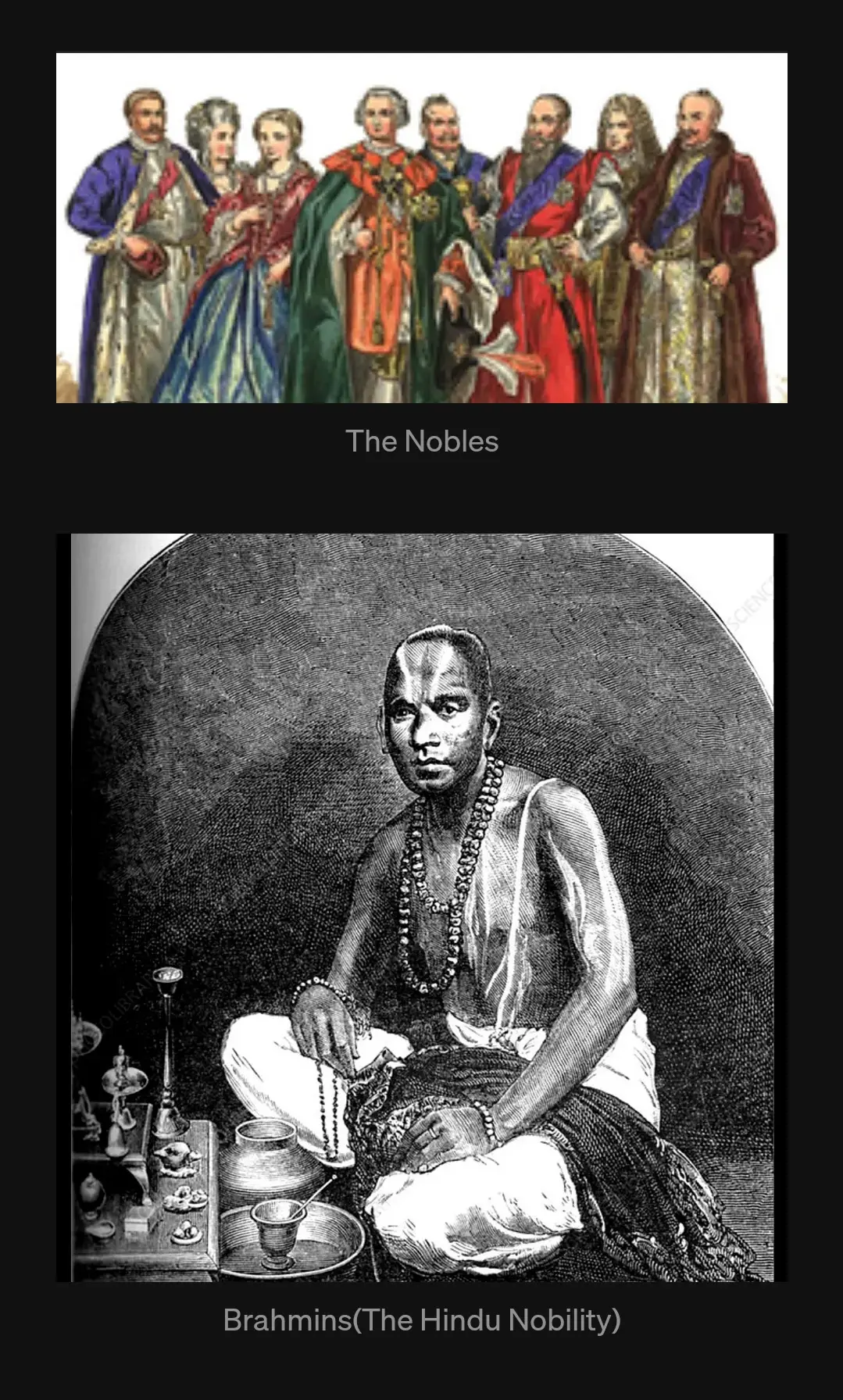

Yet, elite individuals remained a fixture in every major faith: the Brahmins in Sanatan Dharma, the Imams and Clerics in Islam, and the Bishops, Nuns, and Priests in Christianity. As these three became the first widespread religions of the world, this institutionalized elitism served as a sheer example of the human strive to reach the apex of the social ladder to garner power and authority.
When civilizations evolved into massive empires and kingdoms, the rulers formed a warrior class that waged wars and expanded territories. They established state religions to bear divine legitimacy for their rule. Ultimately, however, these rulers operated under the back-channel orchestration of the religious nobility: the *Kshatriyas* under the *Brahmins*, the Muslim emperors under the *Imams* and *Maulvis*, and the Christian monarchs under the *Priests*. This nobility formed the ultimate group of kingmakers. Rulers had to abide by the codes carved out by the elite class or face being deposed by means of alleged divine or cosmic disobedience.
Conversely, the lower strata of people formed the economic spine of these large empires, bearing the ultimate brunt of heavy suppression, taxes, and labor to fund the royalty and the elite class. To remain in power, rulers delivered regular favors and priceless gifts to the nobility, paid for entirely by the taxpayers' money. The *Shudras*—or modern-day *Dalits*—framed the lowermost segment of this social ladder, forced into manual labor and inhumane, heinous acts.
It took a long period of time for people to realize, confront, and act against this man-made pyramid of suppression. Those who did were branded as "heretics".
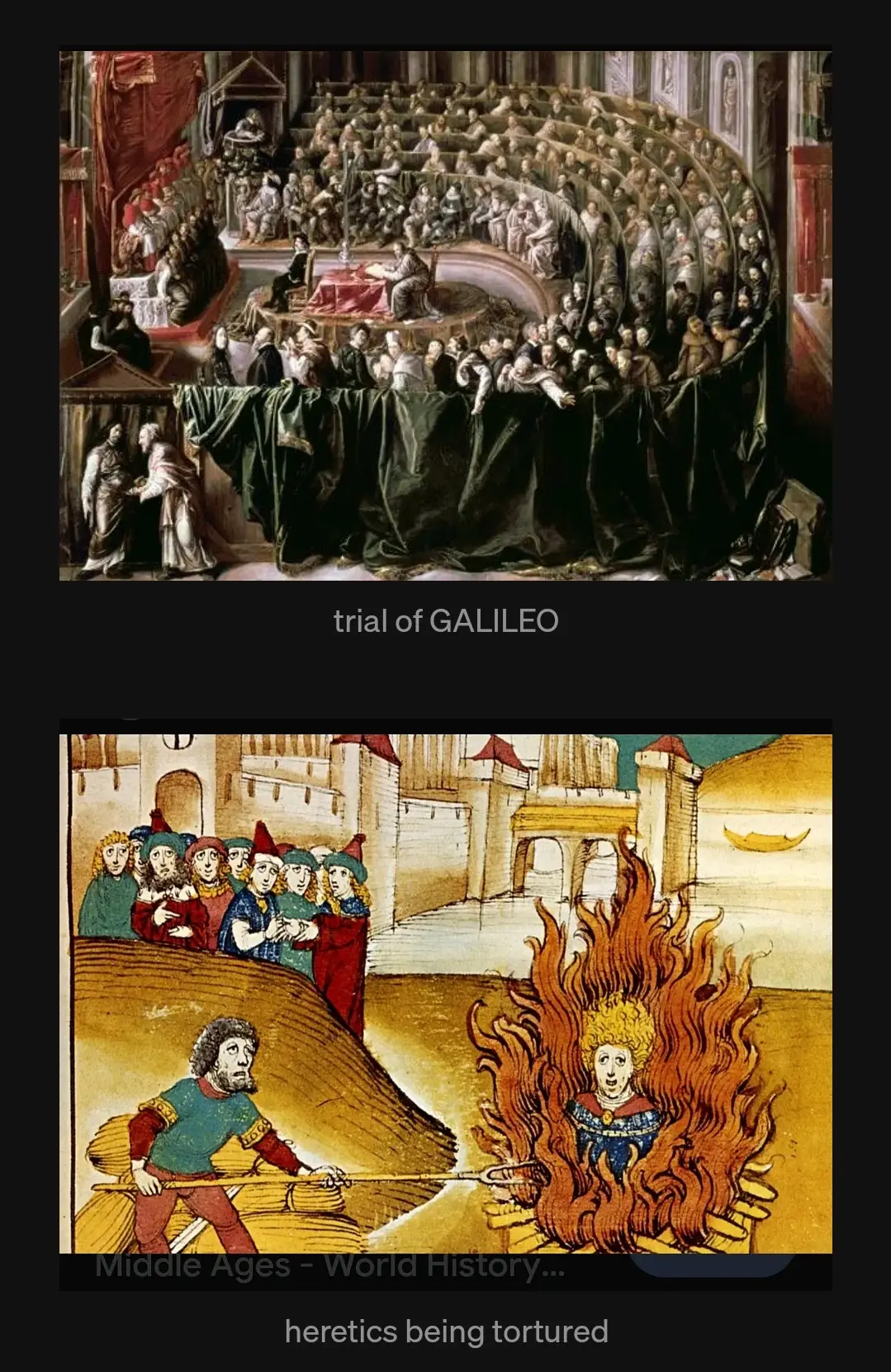
Any word, thought, philosophy, or idea that challenged the legitimacy of the nobility was crushed in the most brutal ways possible. The Medieval Period across prominent societies came to be defined by these dark ages. Eventually, the era saw the rise of vital personalities possessing scientific and rational temperaments. Figures like Martin Luther, Copernicus, and Galileo challenged the blind faith and absolute authority of the Church. Though many of them were brutally executed to set a terrifying example for the common public, such sacrifices could not stop the spark that had already spread. This intellectual awakening ultimately triggered the Renaissance following the fall of Constantinople in 1453 AD.
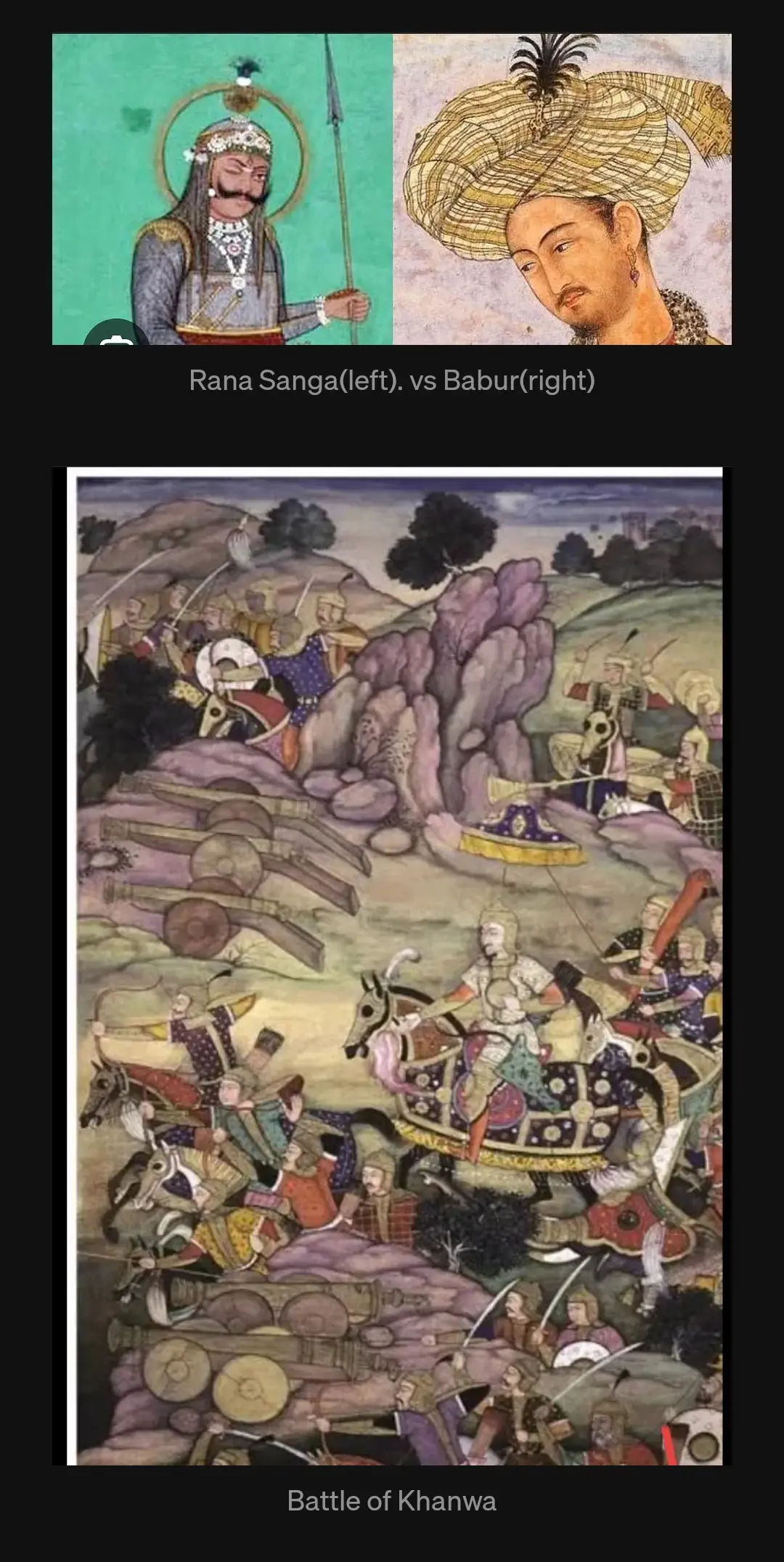
Religion, as an idea, proved so powerful that it was rapidly utilized as a moral and psychological mobilizer in warcraft. Babur, intending to invade Rajputana and boost the morale of his exhausted forces, converted his military expedition into a "holy war" against infidels.
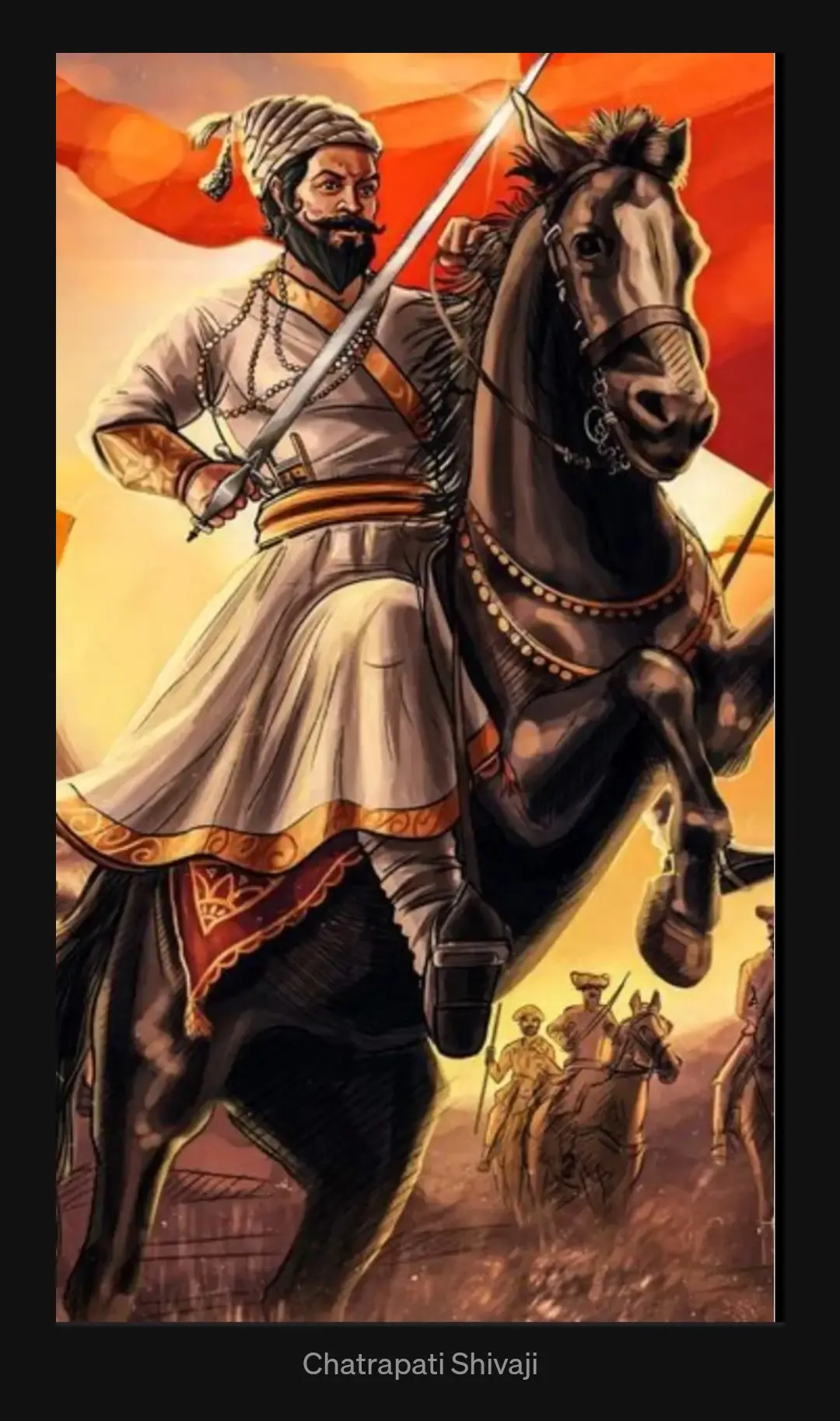
Similarly, Chhatrapati Shivaji, the Maratha chieftain, utilized Hindu nationalism to motivate his soldiers through guerrilla tactics, successfully striking at the core of the massive Mughal Empire.
If we look closely, modern parallels can be observed in the 21st century within terror outfits operating across the globe. The Mujahideen and Lashkar-e-Taiba (LeT) mobilize through fanatic ideologies, luring the youth to raise arms and indulge in insurgency. Outfits like Al-Qaeda, Hamas, and ISIS all operate on these identical lines. The critical point of connection is that the emotional and economic vulnerabilities of the masses are weaponized to commit the most barbarous crimes against other ethnicities.


For instance, the rapacious interventions of Western powers in the Middle East ravaged the entire region of Syria and the Levant, pushing it into an eternity of hunger, poverty, unemployment, and economic disparity. This systemic devastation was further weaponized by fanatics like Osama bin Laden and Abu Bakr al-Baghdadi to wage wars against the West, costing millions of innocent lives.
Turning the pages of history to the post-World War I era, a ravaged economy, hyperinflation, and national humiliation were similarly exploited by an Austrian demagogue, Adolf Hitler, to brainwash the German populace and wipe out their rational temperament. He diverted the entire blame for Germany’s suffering onto Communists and Jews. What unfolded from this manipulation was one of the greatest tragedies of human history: a systematic, state-sponsored execution of six million Jews alongside a global war that cost millions of innocent lives.


It was rightly quoted by the Indian revolutionary Bhagat Singh that:
"Philosophy is the outcome of human weakness."
The tragic paradox is that the very mechanism designed to preserve harmony and maintain societal ecosystems has been directly responsible for numerous human tragedies throughout history. The Crusades, originally driven by desires for territorial expansion into strategic regions, were falsely given the holy cloak of religious duty. In modern history, the violent Partitions of India and Israel have left permanent, bleeding imprints on regional stability. Countless riots, skirmishes, and full-scale wars between Hindus, Muslims, and Jews have caused immense bloodshed and the massacre of innocents.

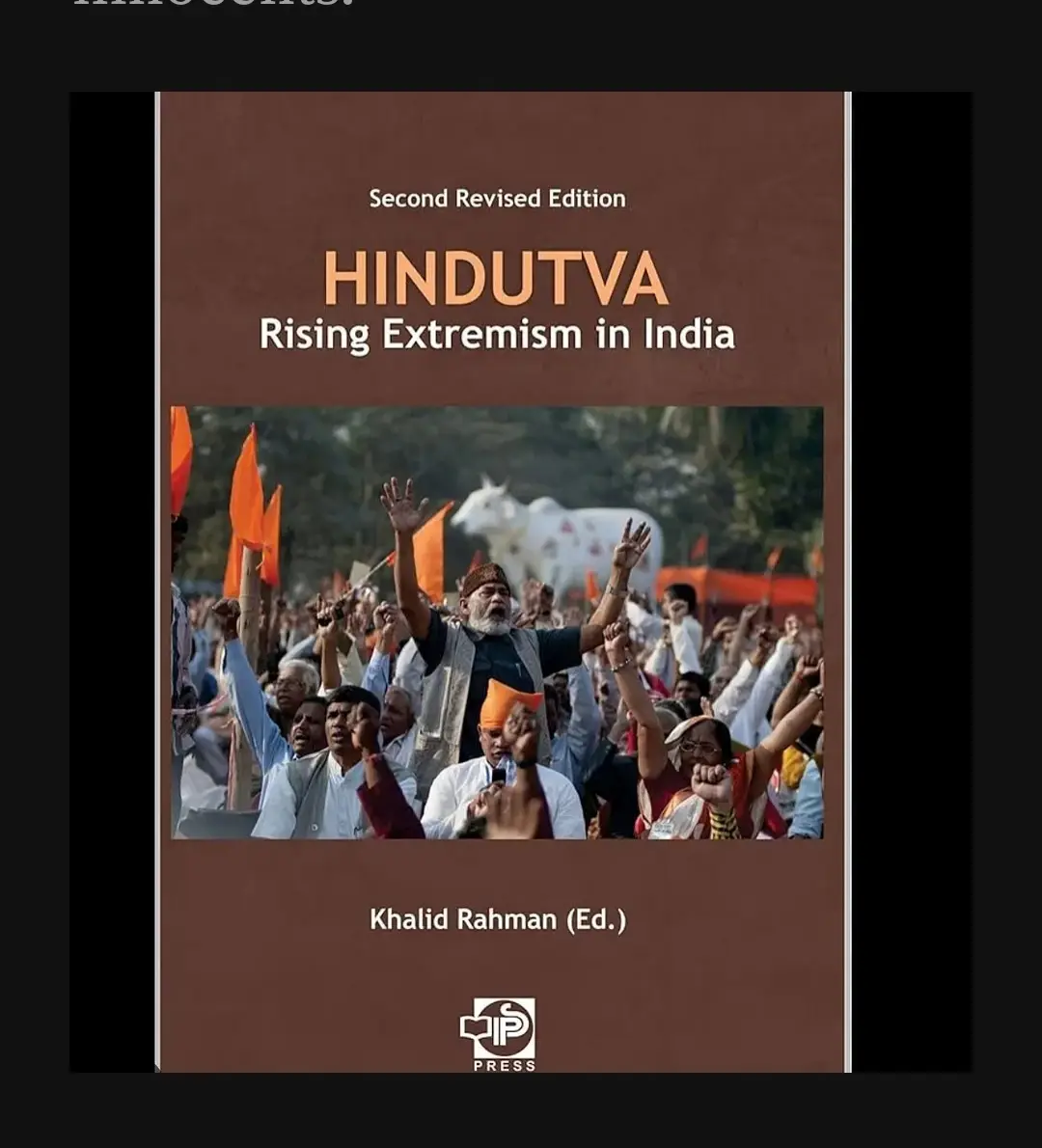
Even internal schisms have historically led to bitter, sectarian bloodshed, seen vividly between Catholics and Protestants, or Sunnis and Shias. Locally, internal social stratification deprived the *Dalits* of the basic amenities and human rights essential for living. Dr. Bhimrao Ambedkar, acting as a true iconoclast, famously burned the pages of the *Manusmriti* and demanded absolute equality and political rights for the depressed classes. Though his actions were met with fierce public outrage from the entrenched elites, the crisis was peacefully negotiated by the visionaries and intellectuals of the time through the implementation of reservations.
In conclusion, a constant strive still exists in the 21st century to find rational evidence to prove the presence of God. Yet, alongside this spiritual quest, our history remains accompanied by continuous, brutal acts committed against mankind by man himself. Though religion has also done a greater good to mankind but this dark reality remains the ultimate prospect of concern in today’s era.