India's Wonderwomen
From Lakshmi Bai to the Dangal ladies
 Brahma Swarup Das9 Aug 2026 · 4 min read · 15 figures
“We shall overcome and success will be ours in the future .The Future belongs to us”
-Savitri Bai Phule
I am not a “wanna-be-Feminist” but as a responsible citizen of this country,it is my rightful duty to acknowledge the achievements of our women in the Indian society.
The quote that is mentioned above was given by Savitri Bai Phule,a female rights activist at a time when stereotypes and prejudices had entrenched the society
From here itself we can imagine that Indian women are built different 🔥
Strongest of the strong character….
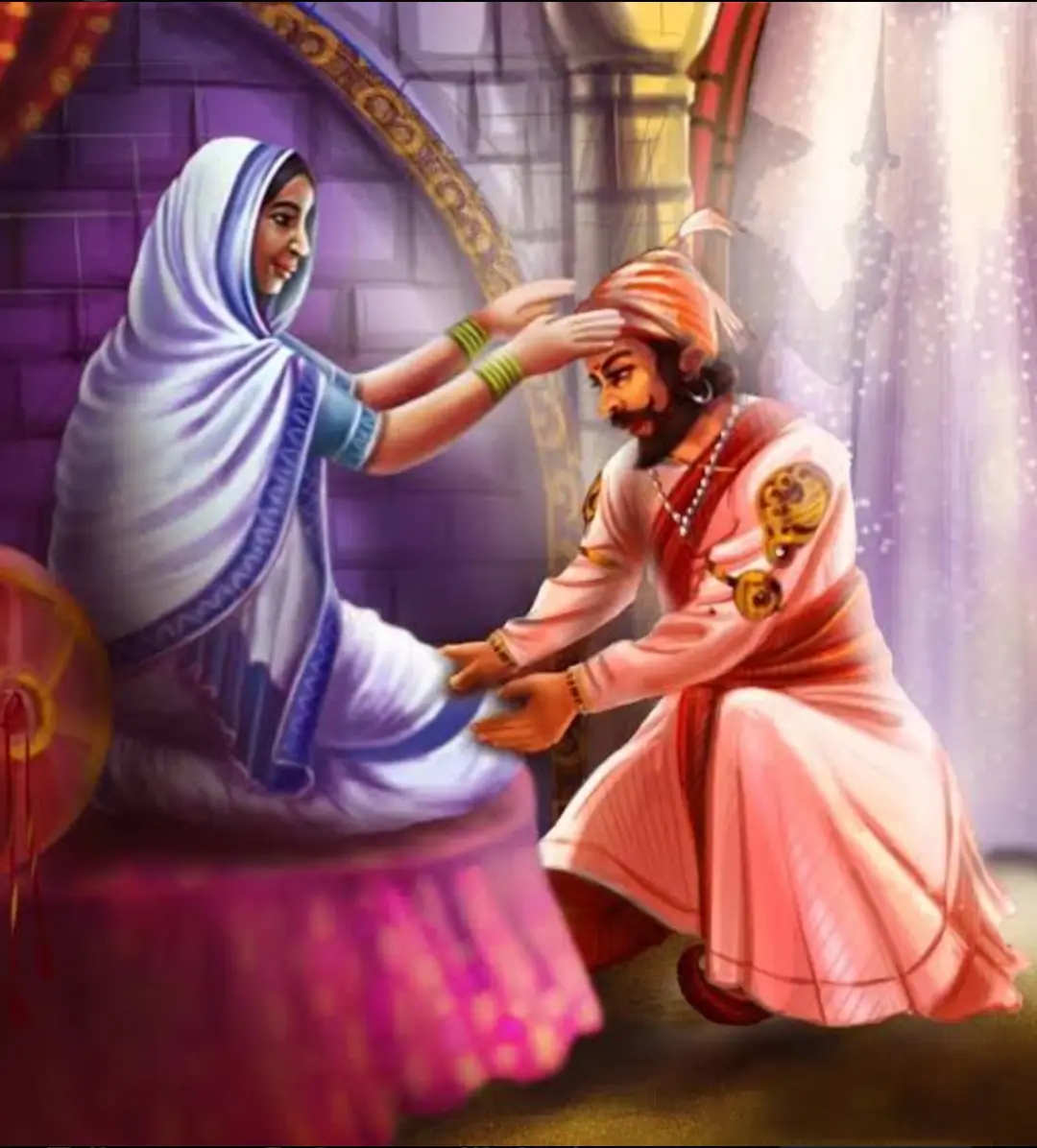
Those very mothers who gave birth to Chatrapati Shivaji Maharaj,Bhagat Singh, Subhash Chandra Bose and other such bravehearts.Not just as their birth giver but as their sole MENTORS
The history of Indian women has its unique glory and has always been a source of inspiration for people around the globe. Their lives are stratified in stories, culture, and tradition, with various ups and downs in the past and their never-ending strive for greatness. In philosophies and schools of thought, women have always been considered an integral part of society, where they serve as a portal to display qualities and actions that complete a man and form an ultimate human ecosystem.
Feminine qualities of showing affection, love, kindness, and demureness are equally important as those generally shown by men. Although every human behavior is present in both males and females, due to evolutionary developments, there remains a stark difference in the way both sexes behave and exist. However, somewhere in a changing world, many of us could not equalize the significance of feminine qualities and often termed them to be signs of weakness. This is indeed a strong misconception and needs to be reformed in the minds of society. Nature has gifted both beings with different biological characteristics but has also ensured that their potential to achieve and excel remains the same in each and every field.
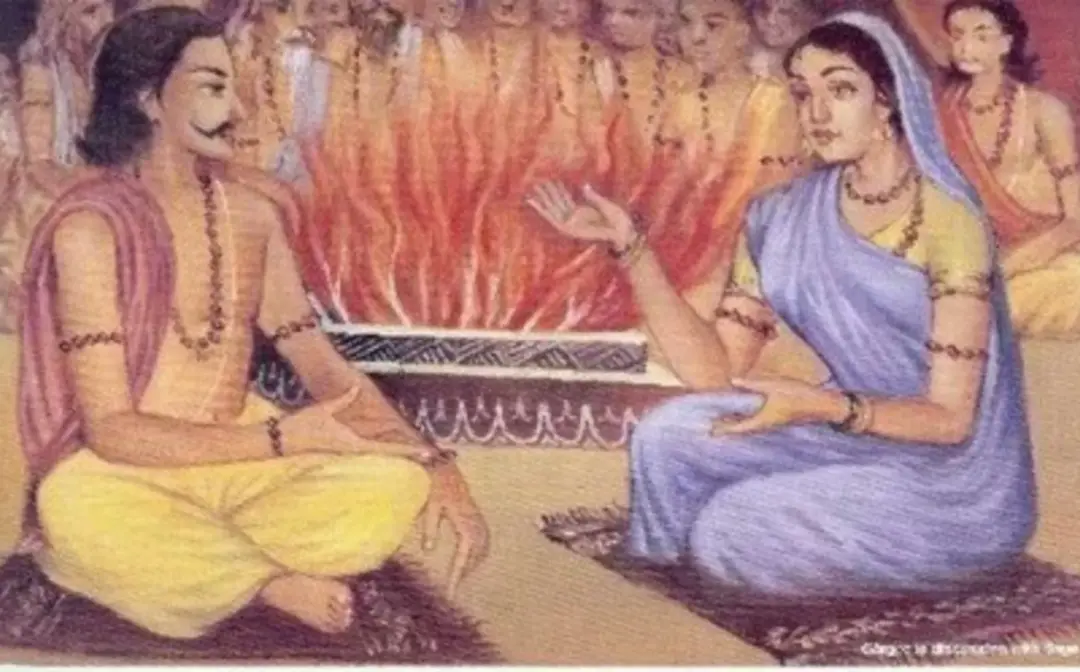
In Ancient India, women were the most important intellectual workhorses in royal courts and contributed immensely to the fields of art, culture, and literature. Gargi’s contribution remains an indelible example of feminine intellectual prowess in the past. In the due course of time, with the advent of foreign state actors, regular invasions, and unstable conditions, women were gradually sidelined from decision-making because their evolutionary traits could not be used in active combat.
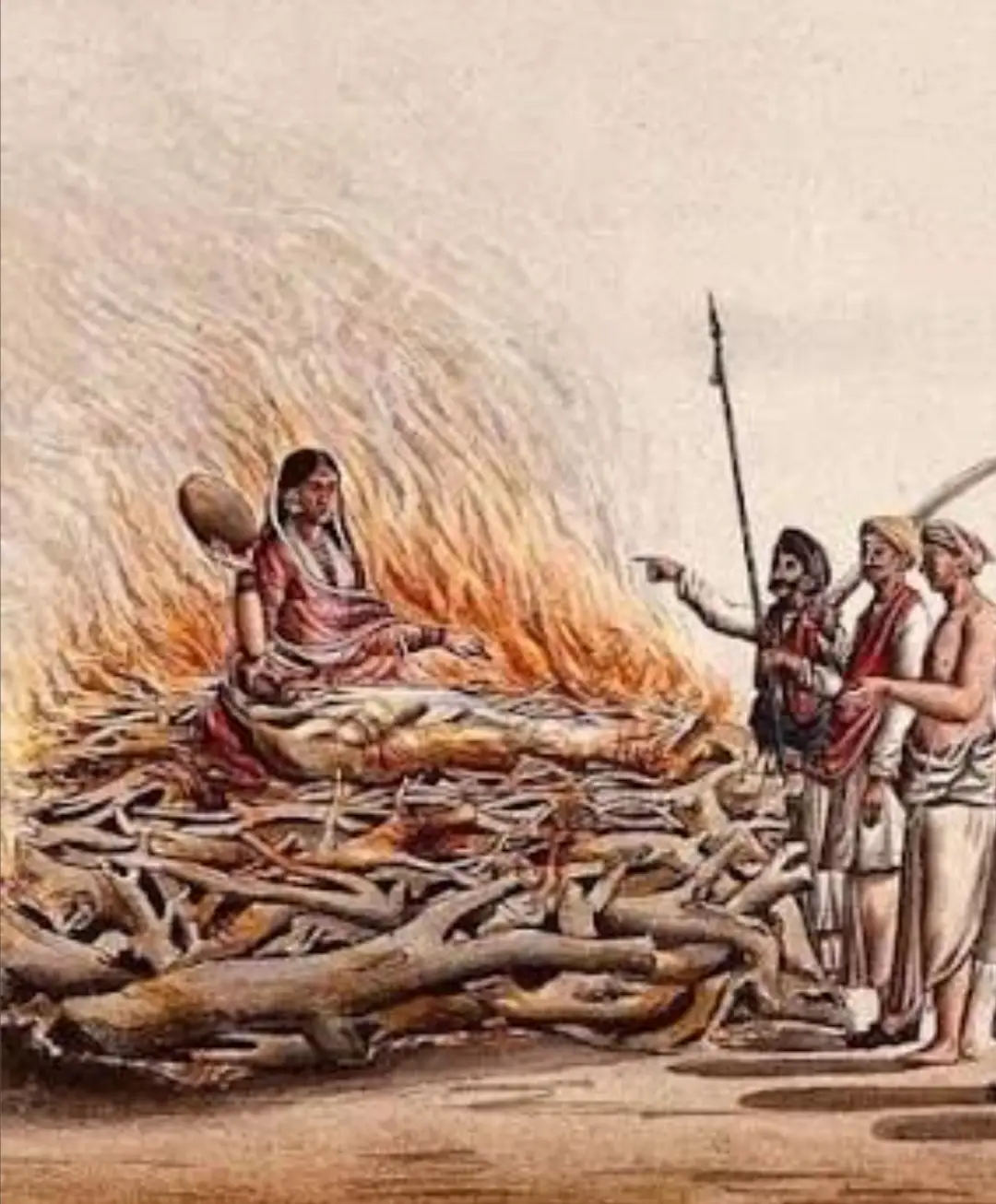
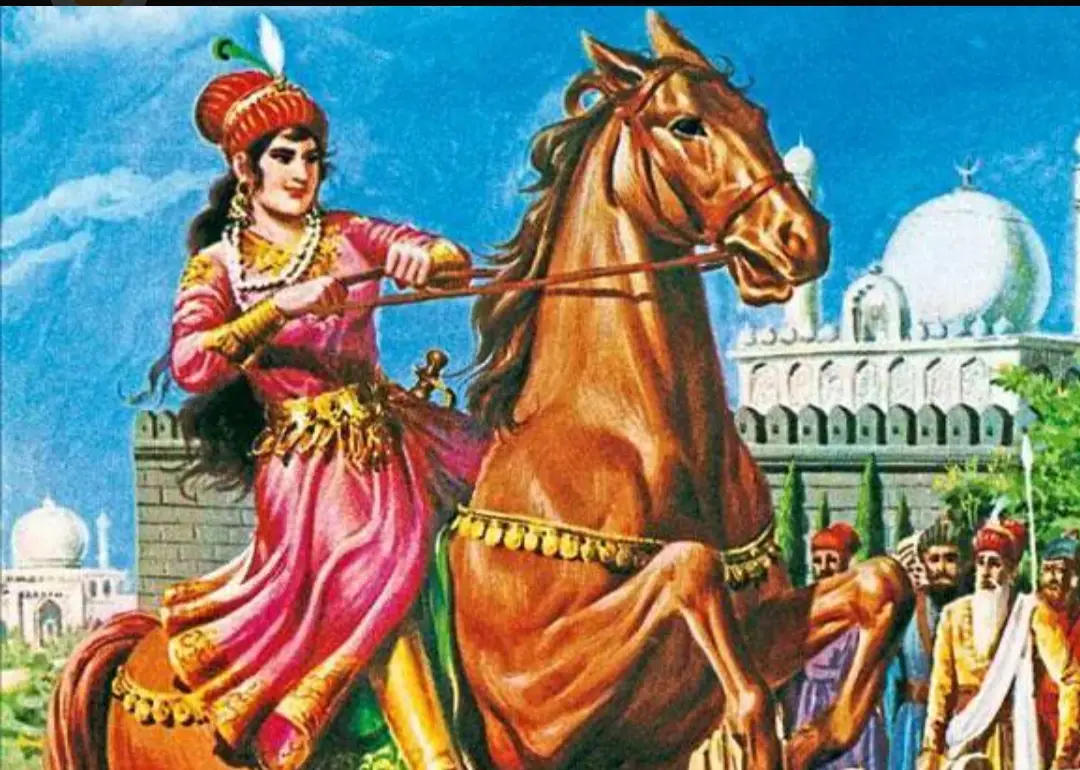
Medieval India is still considered one of the darkest chapters in the history of Indian women, where they often suffered the most and had to bear the brunt of loot and invasion. Razia Sultan was the first and only ruler of the Delhi Sultanate and was very popular among the masses because of her policies, but she was later sacked by the nobles of the royal court.
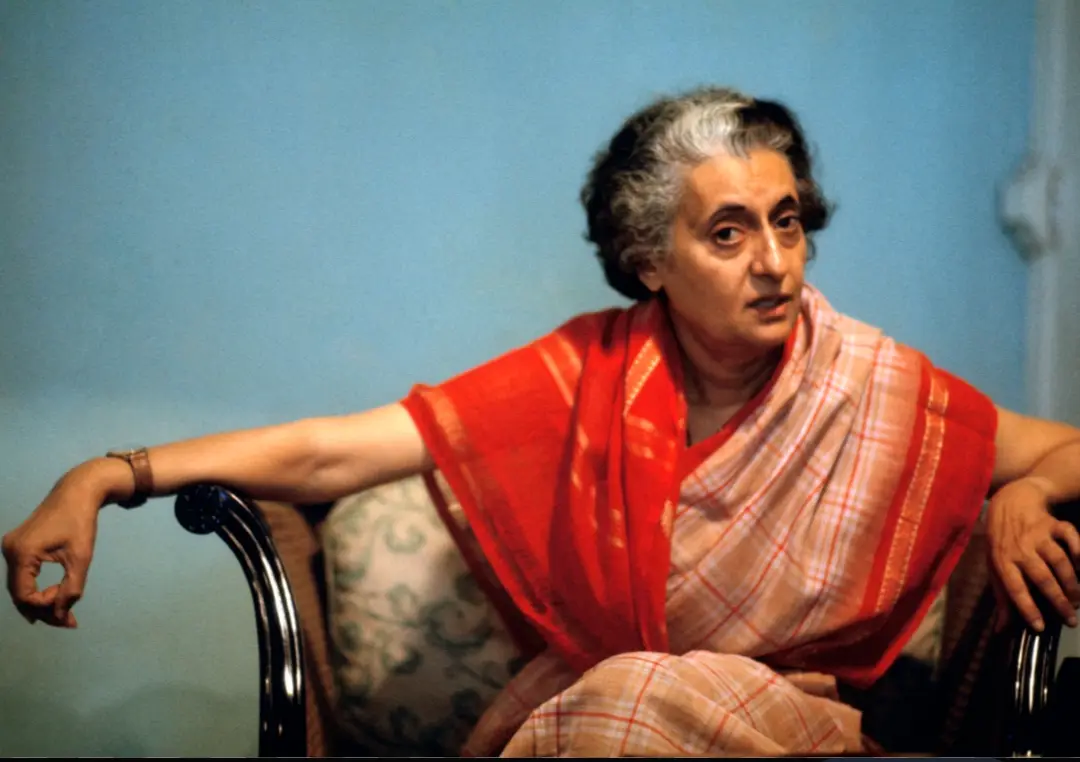
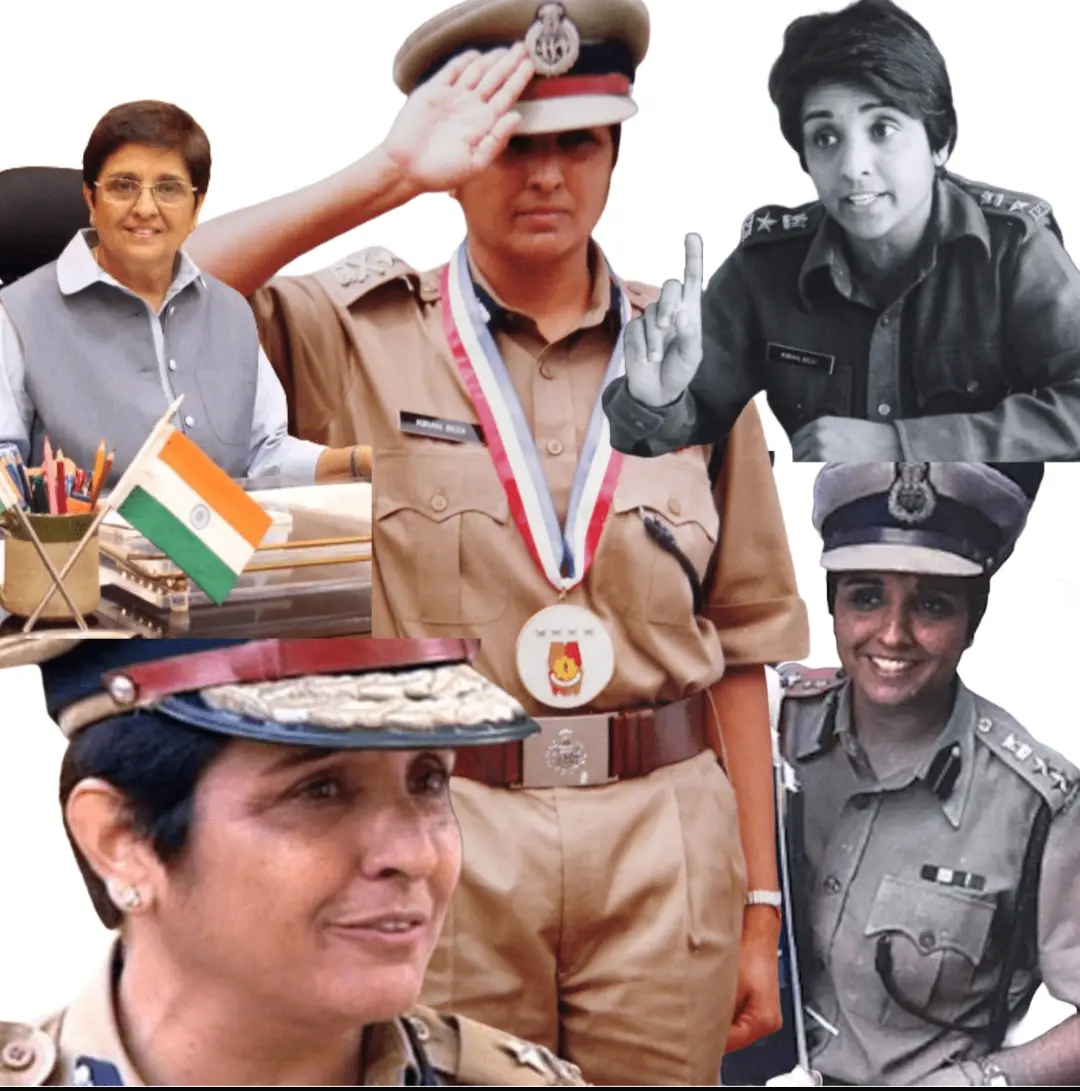
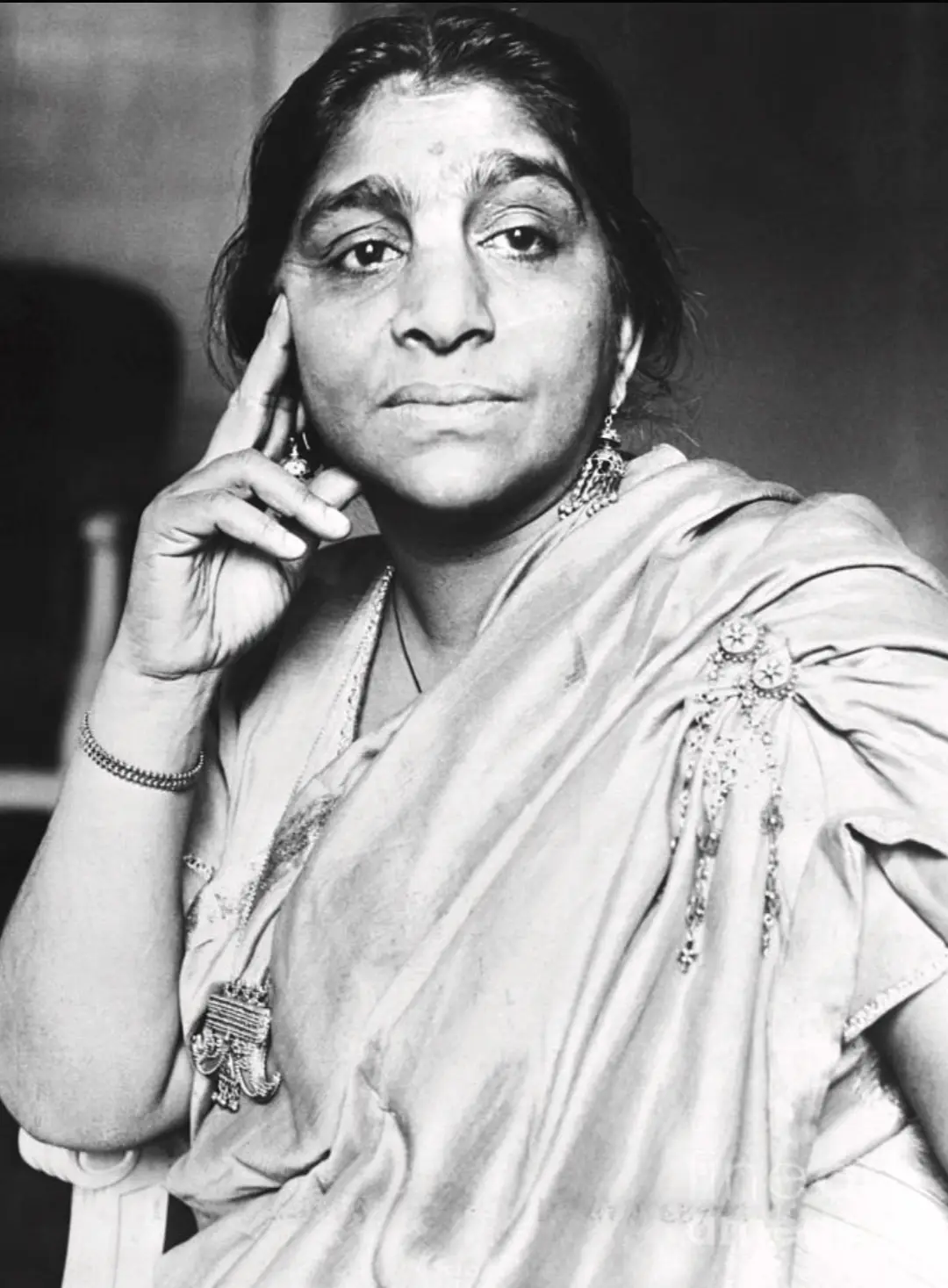
Regular suppression of their voices and freedom in the name of safety and honor has permanently left a scar on our minds which we are unable to heal. During colonial rule, Indian reformers like Raja Ram Mohan Roy and Ishwar Chandra Vidyasagar became the torchbearers in the field of seeking equal rights and opportunities for women. Heinous traditional norms such as Sati, child marriage, and many more were abolished. Gradually, women started seeking their lost potential and won back their confidence and influence in society. Post-independence figures like Sarojini Naidu, Indira Gandhi, and Kiran Bedi built a neo-legacy and inspired millions of people across the country. They proved that women have the capacity to lead from the front and are equally adept at efficiently running the country and, at the same time, punishing those who desecrate the integrity of the nation.
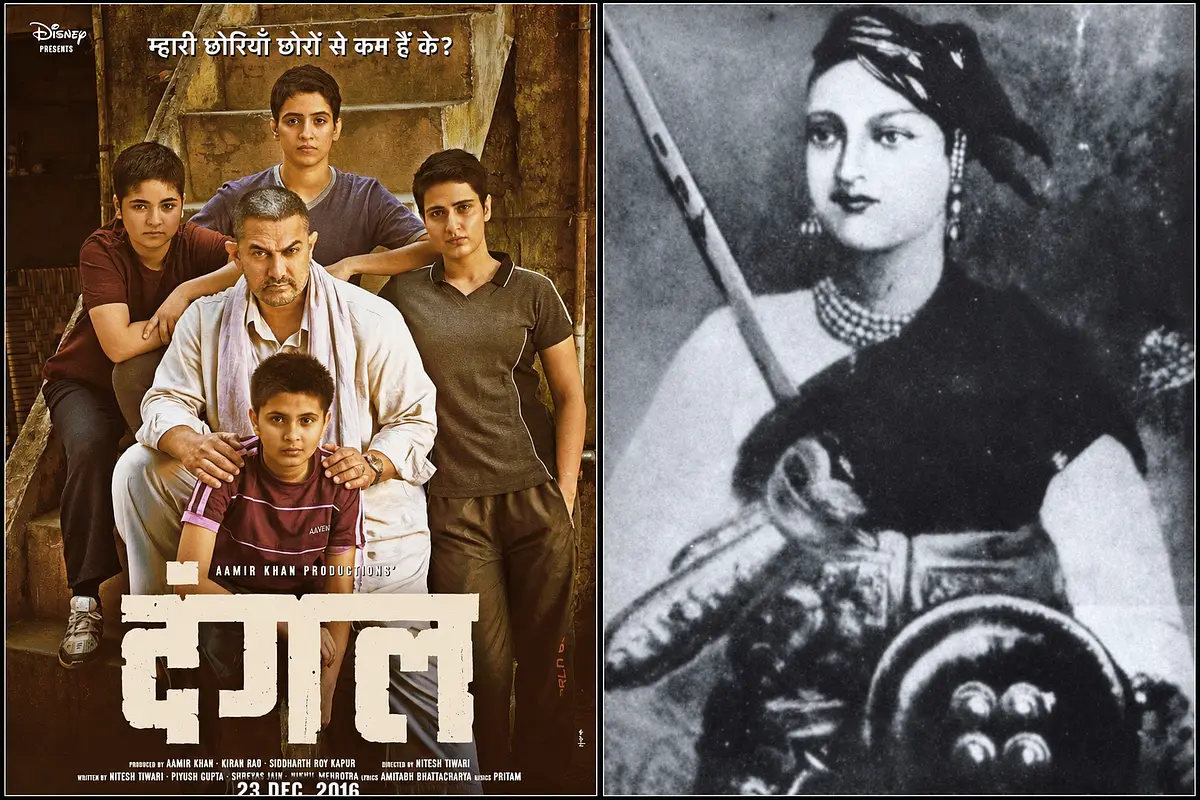
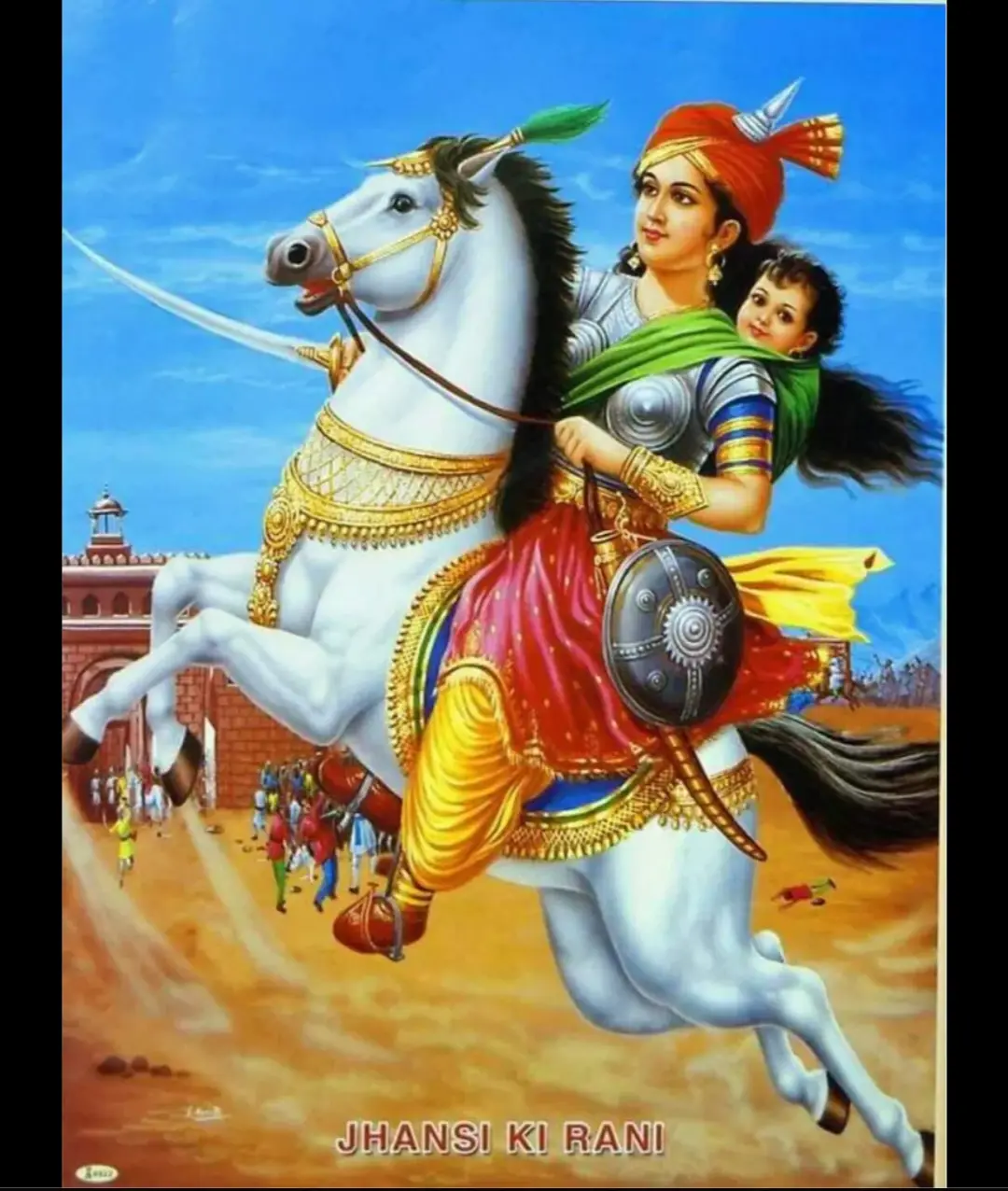
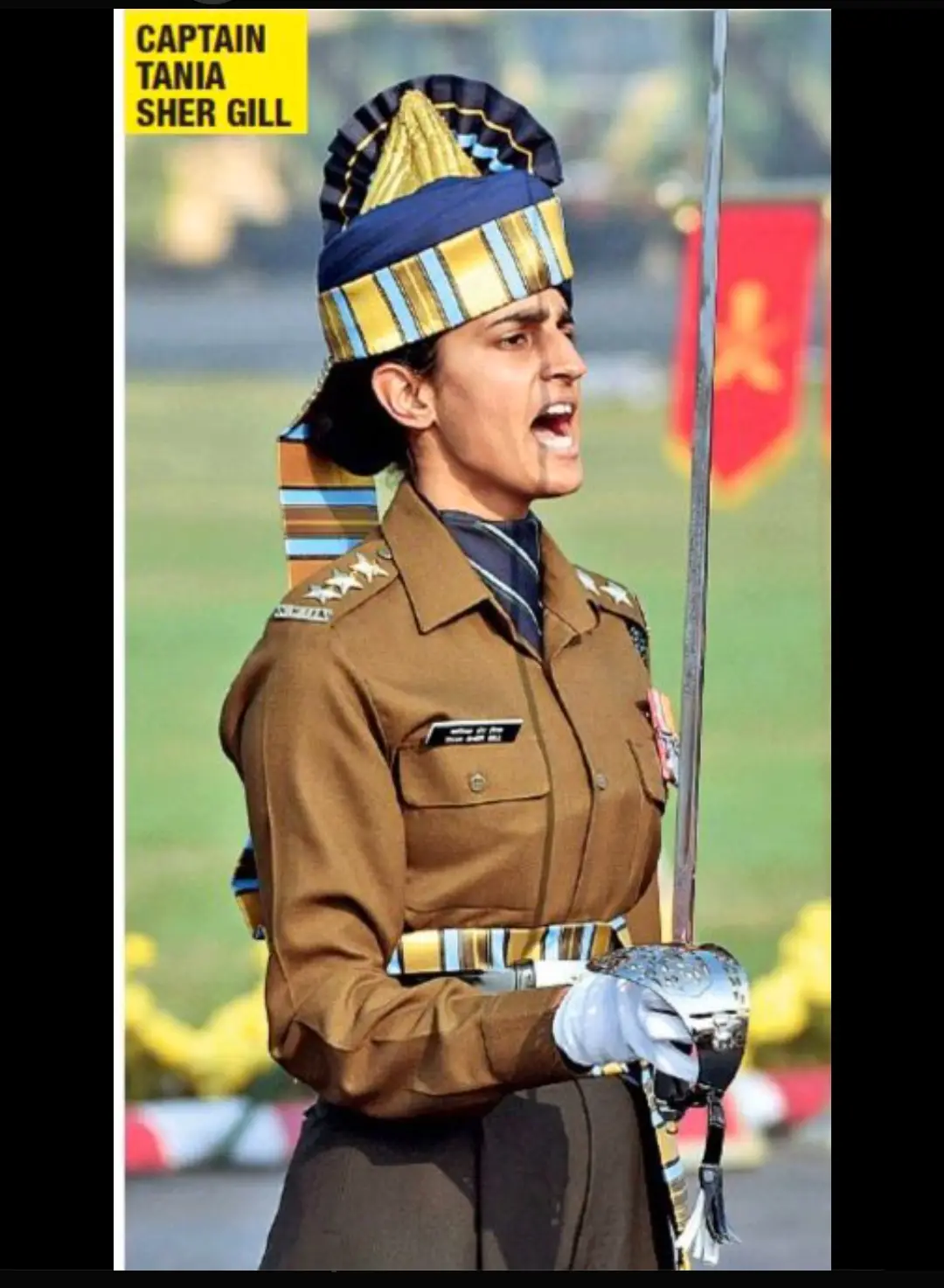
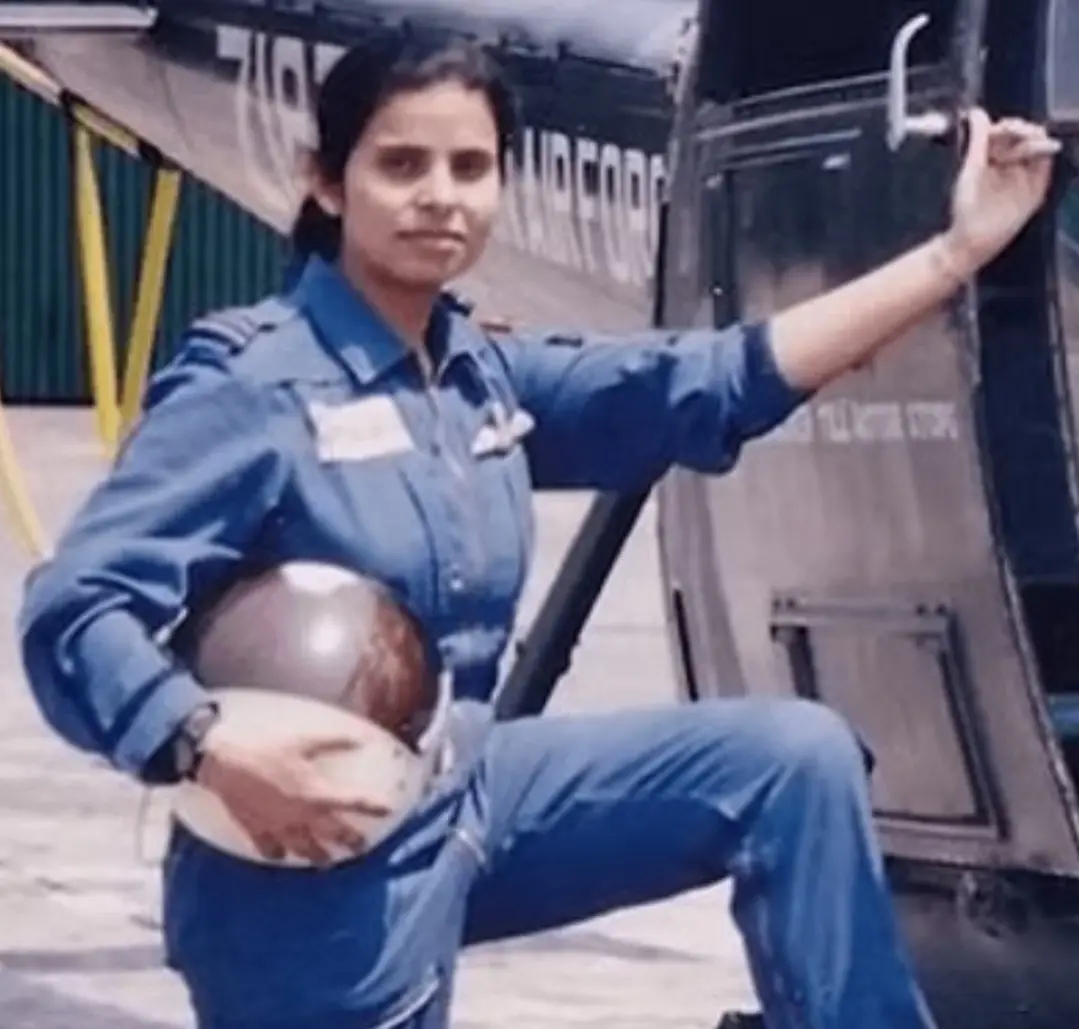
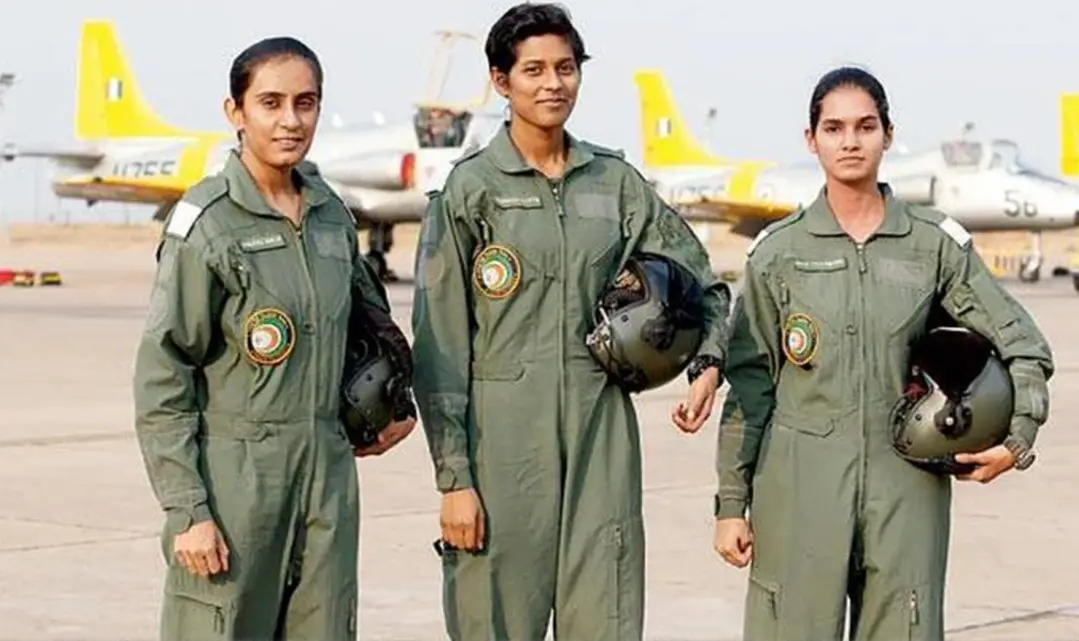
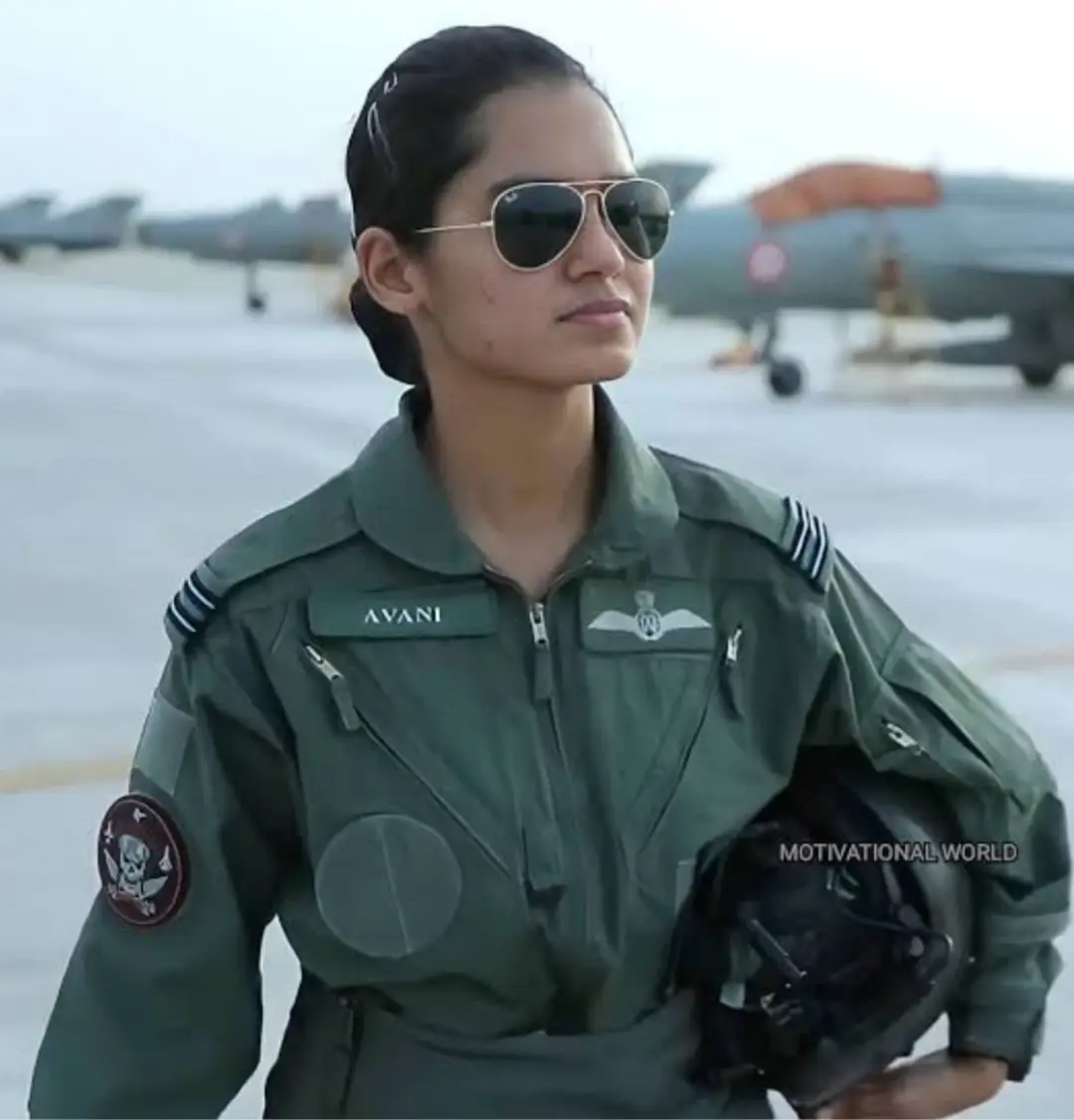
The Indian Armed Forces have become the new face of women’s empowerment, drawing inspiration from Rani Lakshmi Bai, who fought gallantly against the British forces with a sword while carrying a child on her back. Women like Gunjan Saxena and Avni Chaturvedi have proved their mettle by showcasing their valor in the modern-day battlefield. Indian women are something exceptional. They prove time and again that despite any turmoil or unfavorable condition, they have humongous levels of mental and moral fortitude to fight back against all odds and excel.
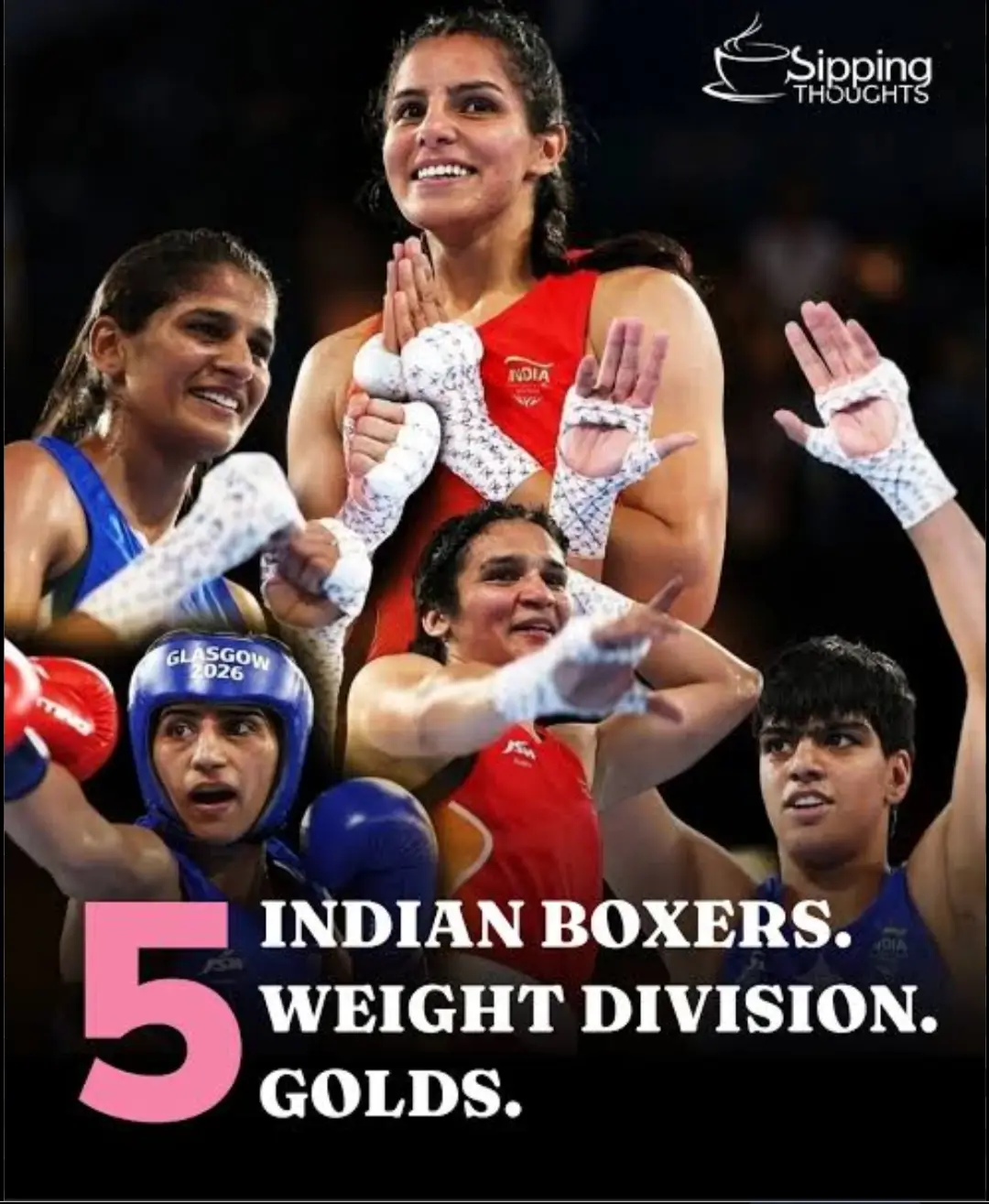
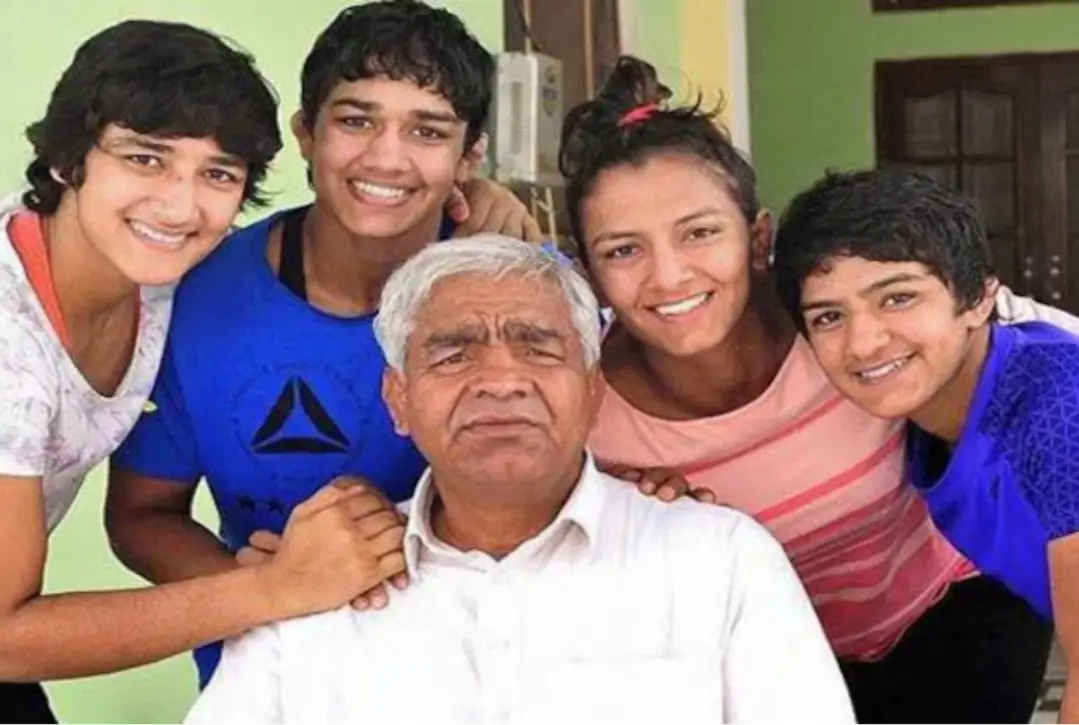
At a time when numerous stereotypes and prejudices engulfed Indian society, figures like Geeta Phogat and Babita Phogat came up with their stories of extreme resilience and sheer hard work and went on to clinch gold medals for India in wrestling at the Commonwealth Games.
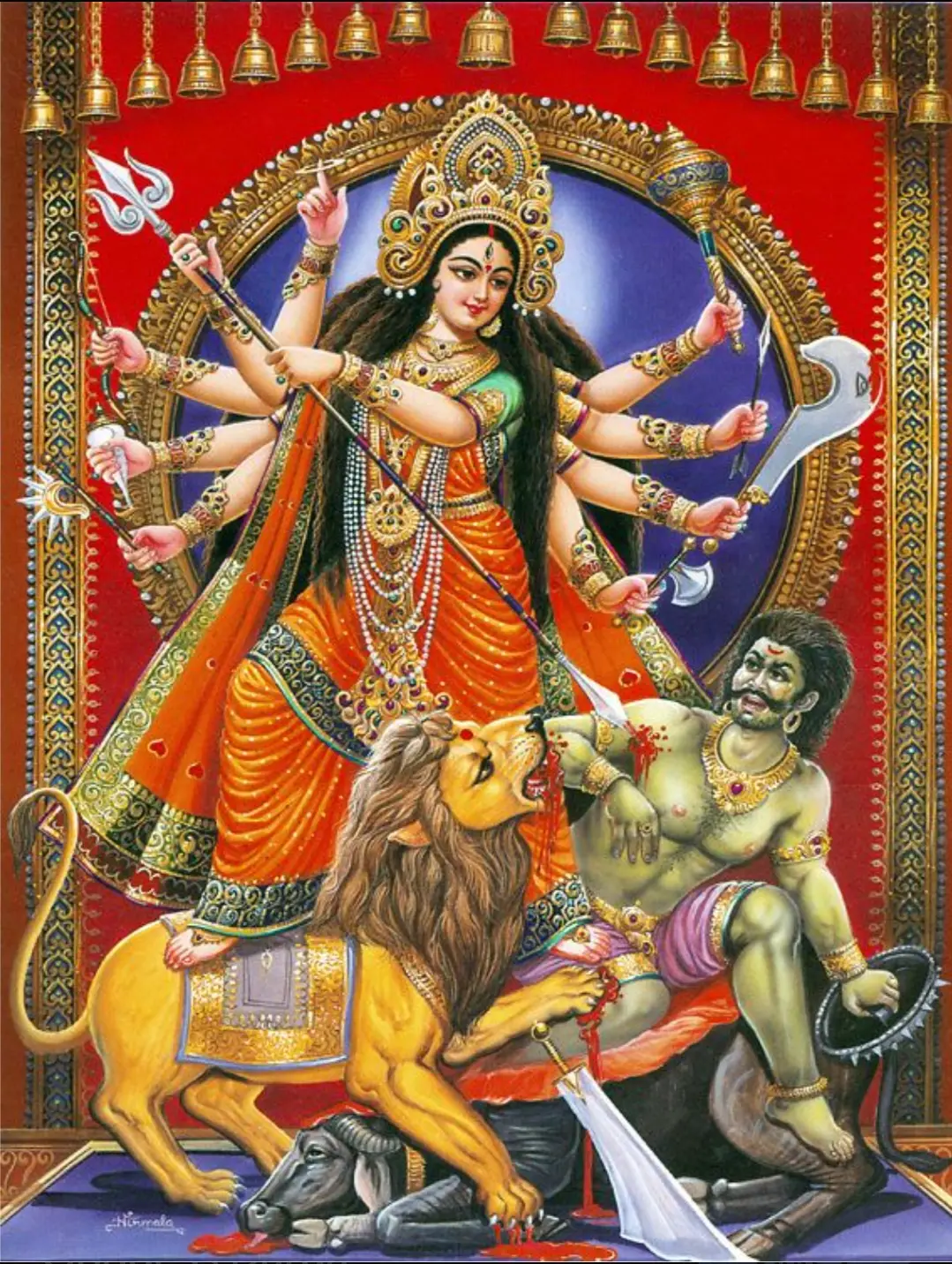
Conclusively, the depiction of women as the incarnation of Shakti in our religious texts serves as a staunch admiration for the feminine qualities of strength and kindness.