 The Iconoclastic Society
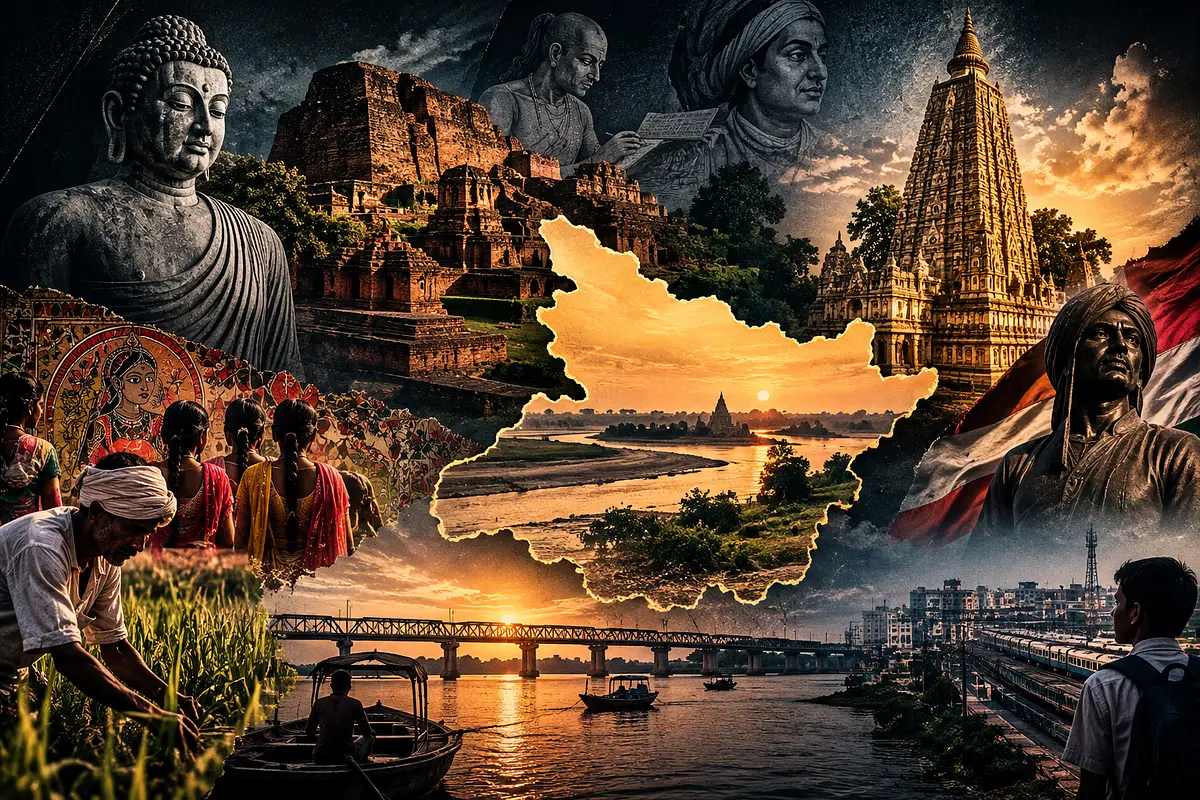
A few days back, I was having a casual conversation with a friend from Bihar. Gradually, it pivoted to intellectual exchanges. He dropped a very famous line:
"What Bihar is to India, India is to the world."
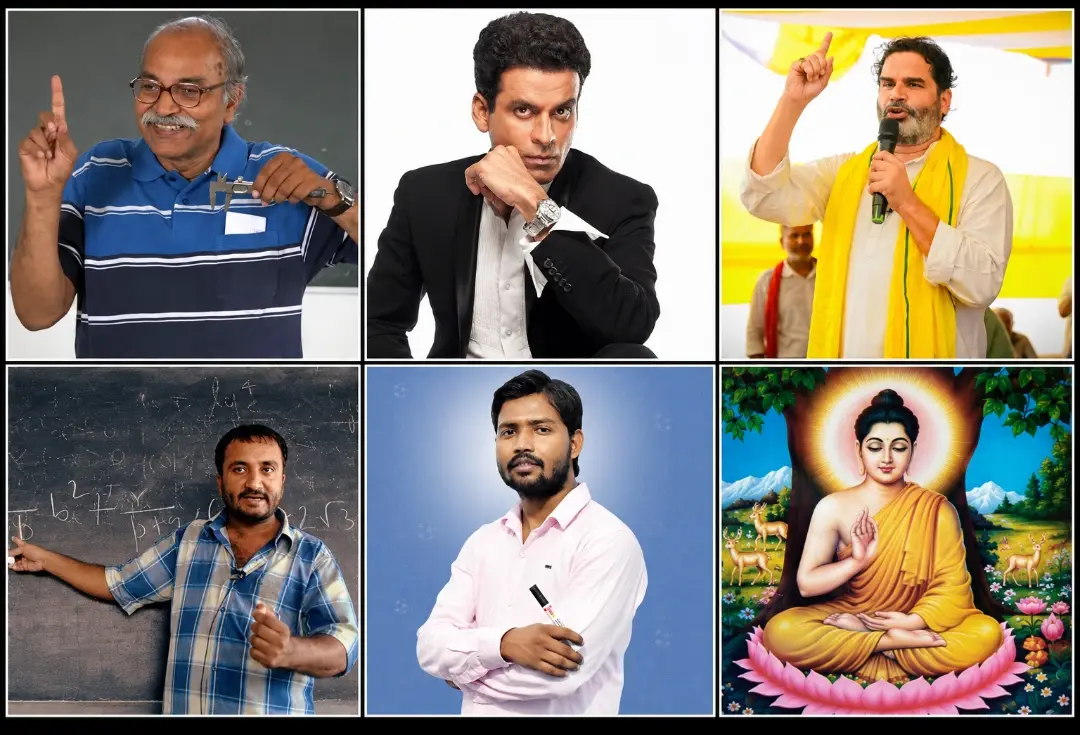
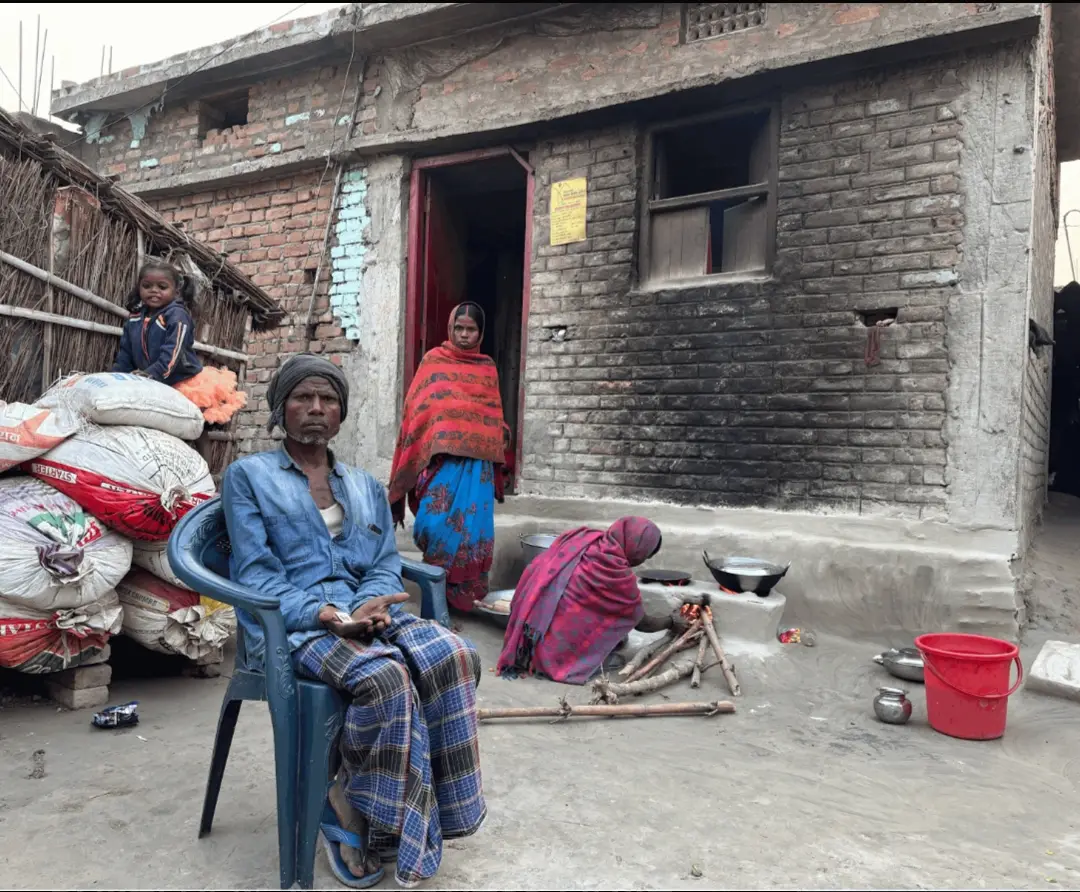
And of course, this line was a point of deep contemplation. What went wrong? The jewel that was the face of Indian civilization at one point in time has been reduced to a subject of trolling and laughter. The very land that was the birthplace of some of the greatest intellectuals, scholars, schools of thought, and philosophy has become a laughingstock of low human capital. Today, when we imagine Bihar, the first things that come to our minds are resource-deprived hospitals with no doctors, broken roads, poor unemployed men standing in long queues for rations and jobs, poverty, vulgar songs, and what not.
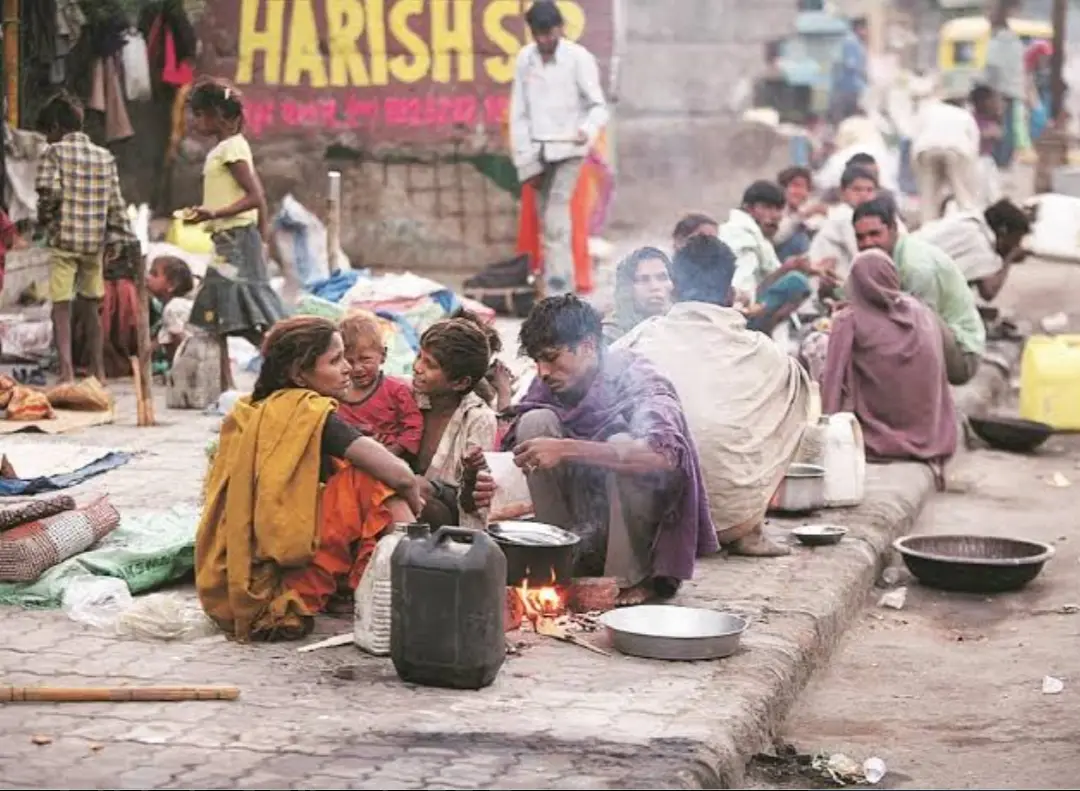
The condition is such that it feels like an insult when an individual admits that he is from Bihar. We laugh, we troll, we roast. But we forget that they are Indians too. They are one of our kind—our own brothers and sisters who contribute equally to the nation's growth.
So instead of trolling our own people for cheap attention, we should debunk history and educate ourselves.
§1A) THE CRADLE OF GREATNESS-
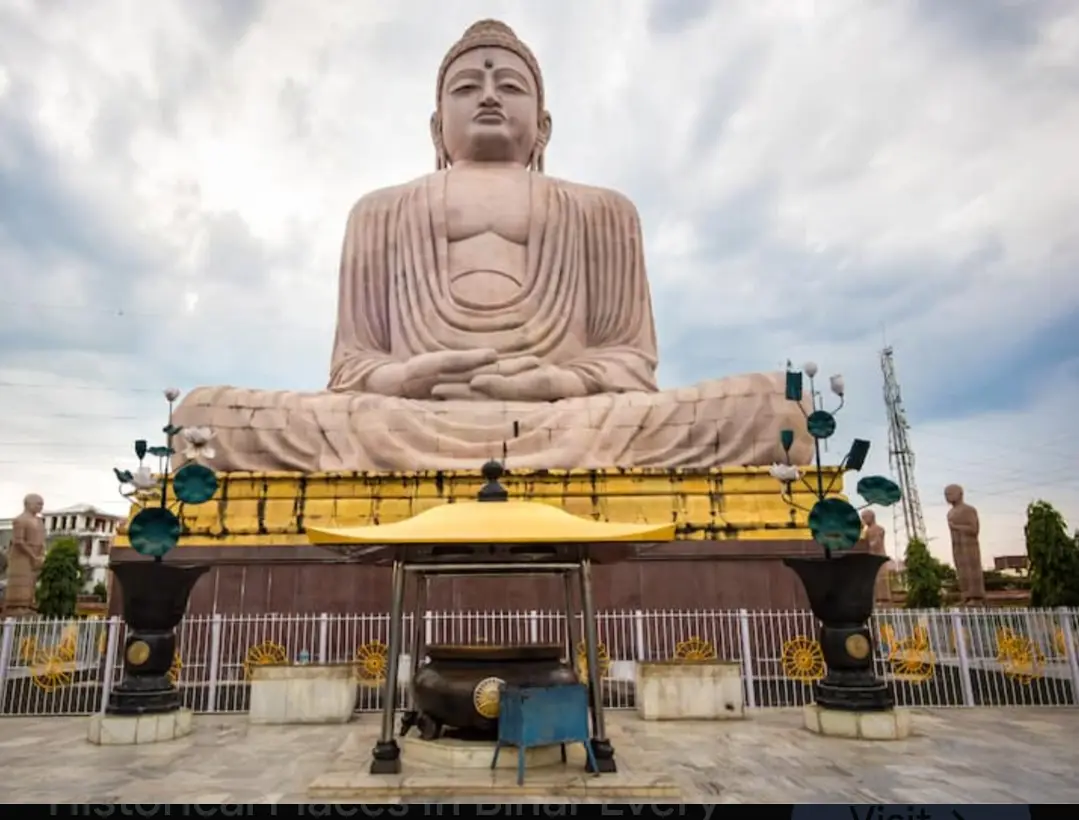
The word 'Bihar' comes from the Sanskrit word 'Vihara'—abode or monastery. Bihar was the birthplace of two great religions of the world: Buddhism and Jainism.
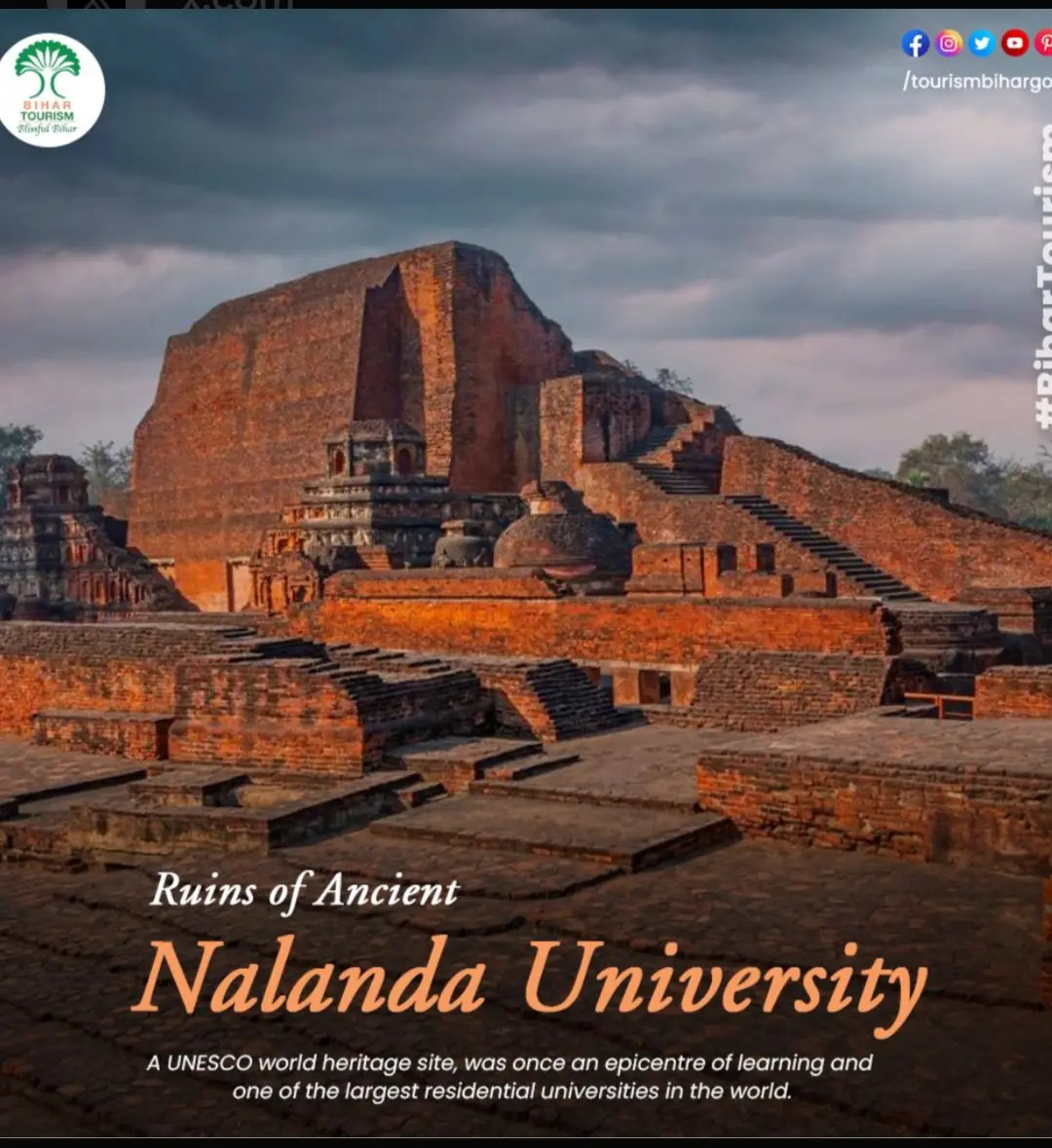
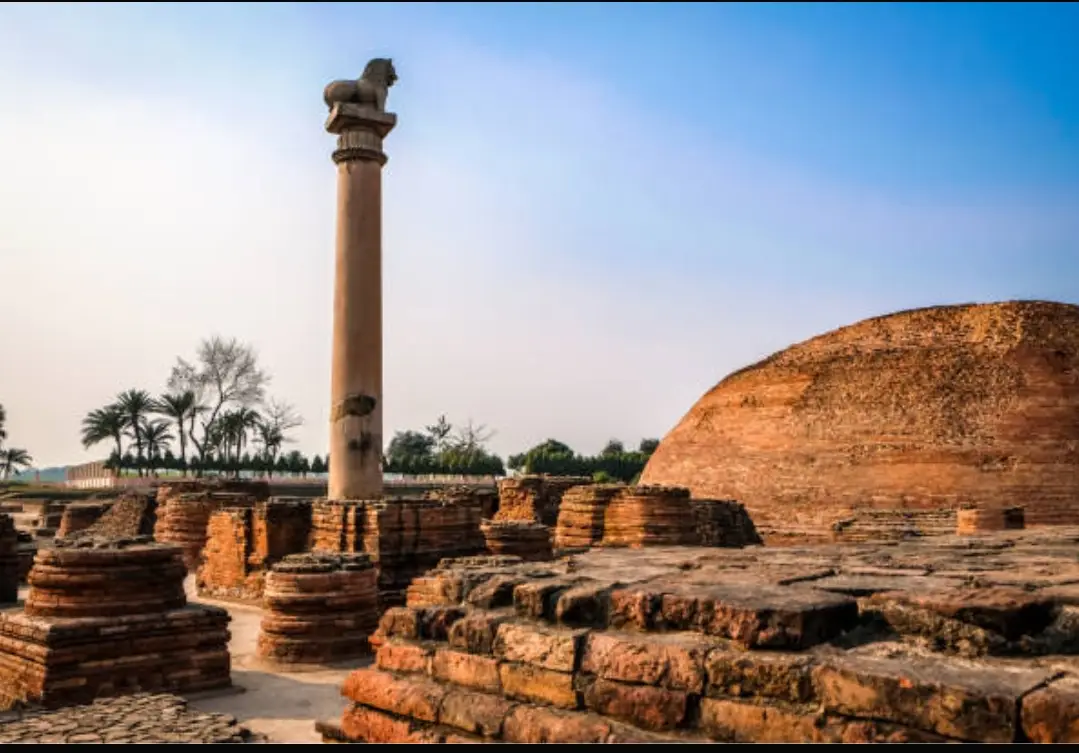
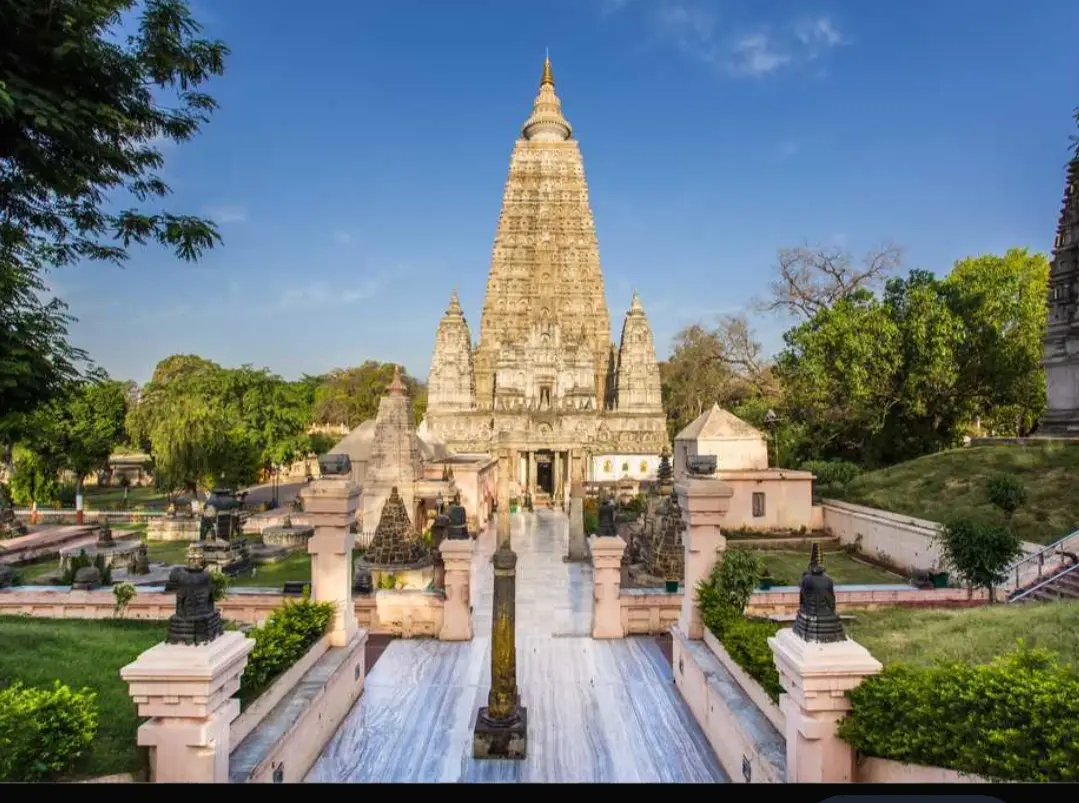
An abundance of monasteries and stupas led to the name 'Bihar'. In ancient India, Bihar was the heart of major empires: the Mauryas and the Guptas. It witnessed the golden age of Indian history, which saw the building of the world's most renowned universities in Nalanda and Vikramshila. It attracted students from various parts of the world. These universities were the home ground for scientific and mathematical breakthroughs, quite comparable to modern-day Harvard or Cambridge. Bihar was also the birthplace of the first republican state in the world—Vajji, a 'Gana-Sangha' system that ran on consultative administration rather than hereditary monarchy.
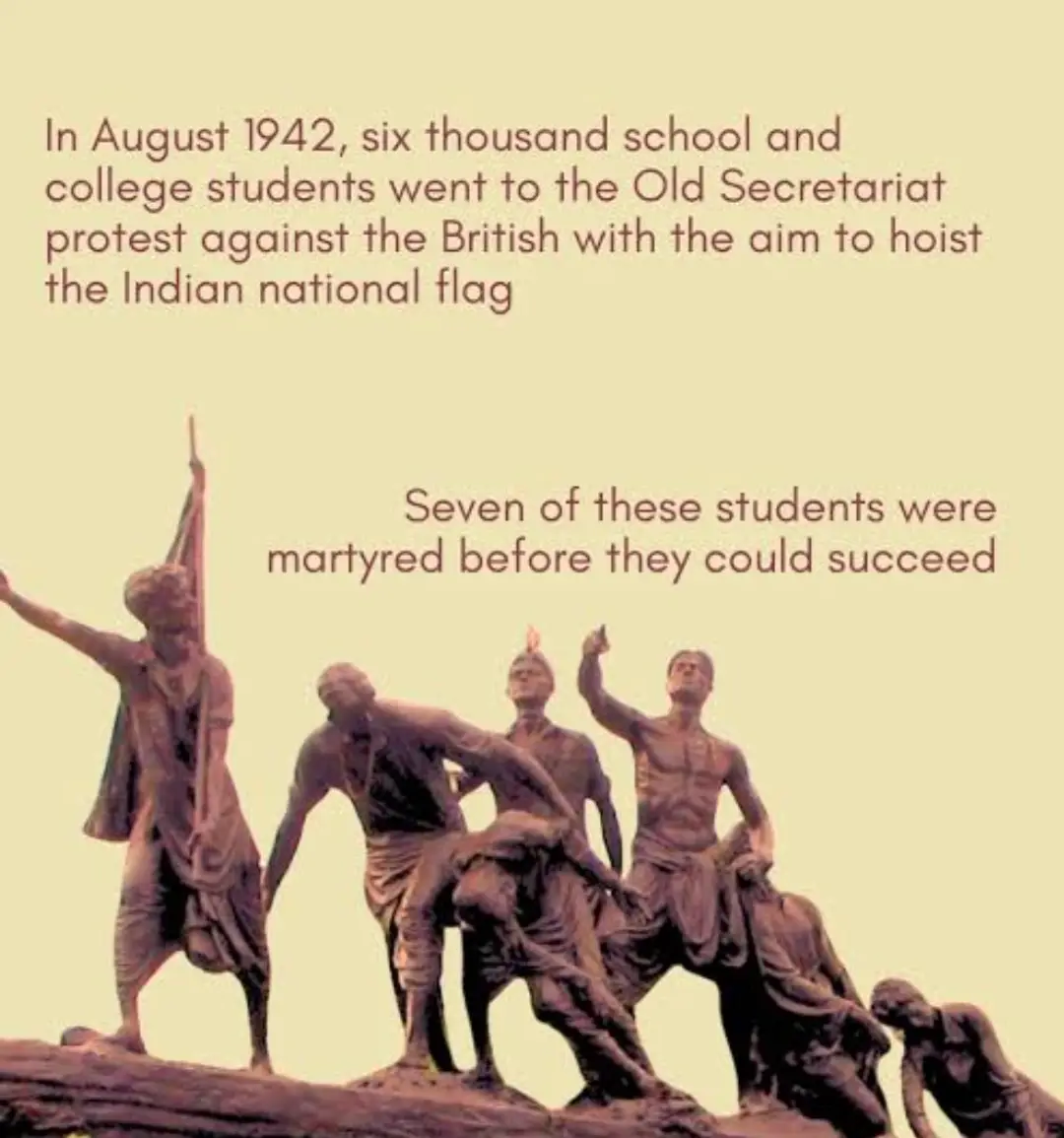
In modern history, it was the launchpad for the Indian freedom movement. Gandhi's Champaran Satyagraha laid the foundation of inclusivity and mass mobilization against British tyranny.
§2B) THE GENESIS OF DECAY
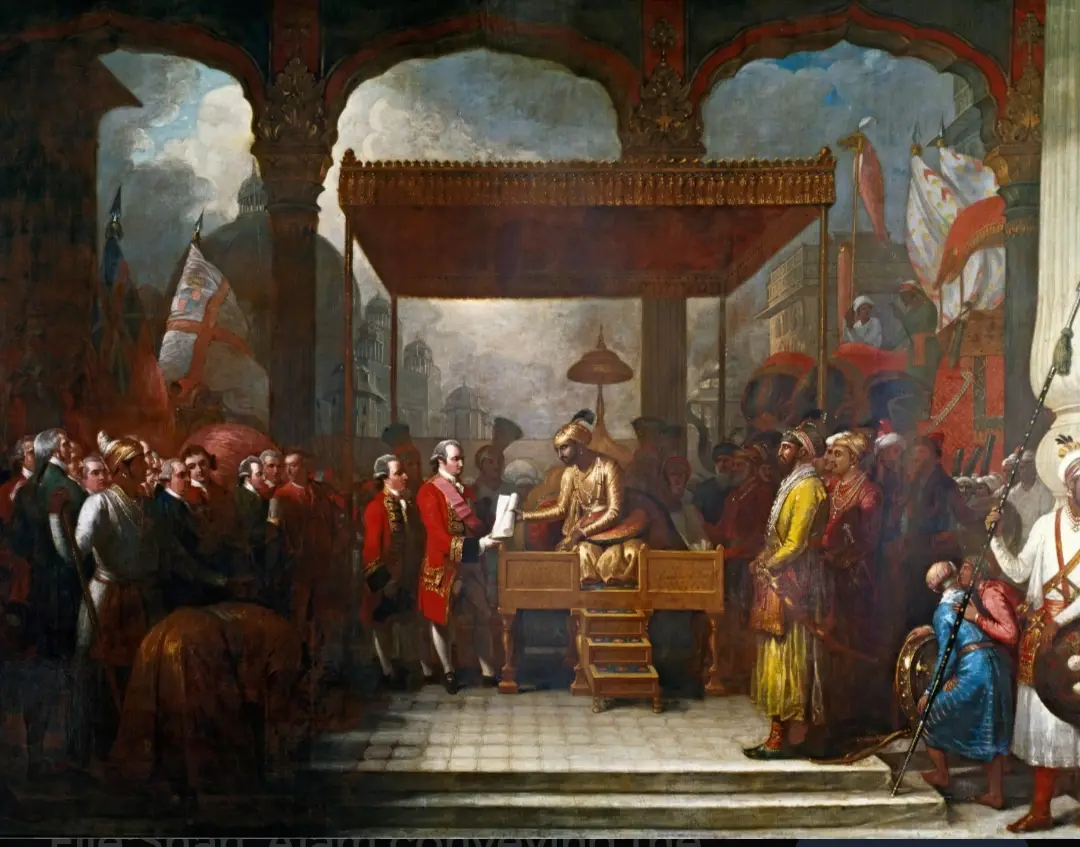
When the British took over the Diwani rights of the Bengal State in 1764, Bihar was a part of the state. It was one of the most prosperous regions in the country due to its robust textile industry, large tracts of fertile arable land, and rivers.
Then came 1793, and the era of prolonged extraction began with the Permanent Settlement Act devised by Lord Cornwallis. The formal legal rights to all lands were transferred to high-caste Zamindars—the erstwhile Mughal-era revenue collectors.
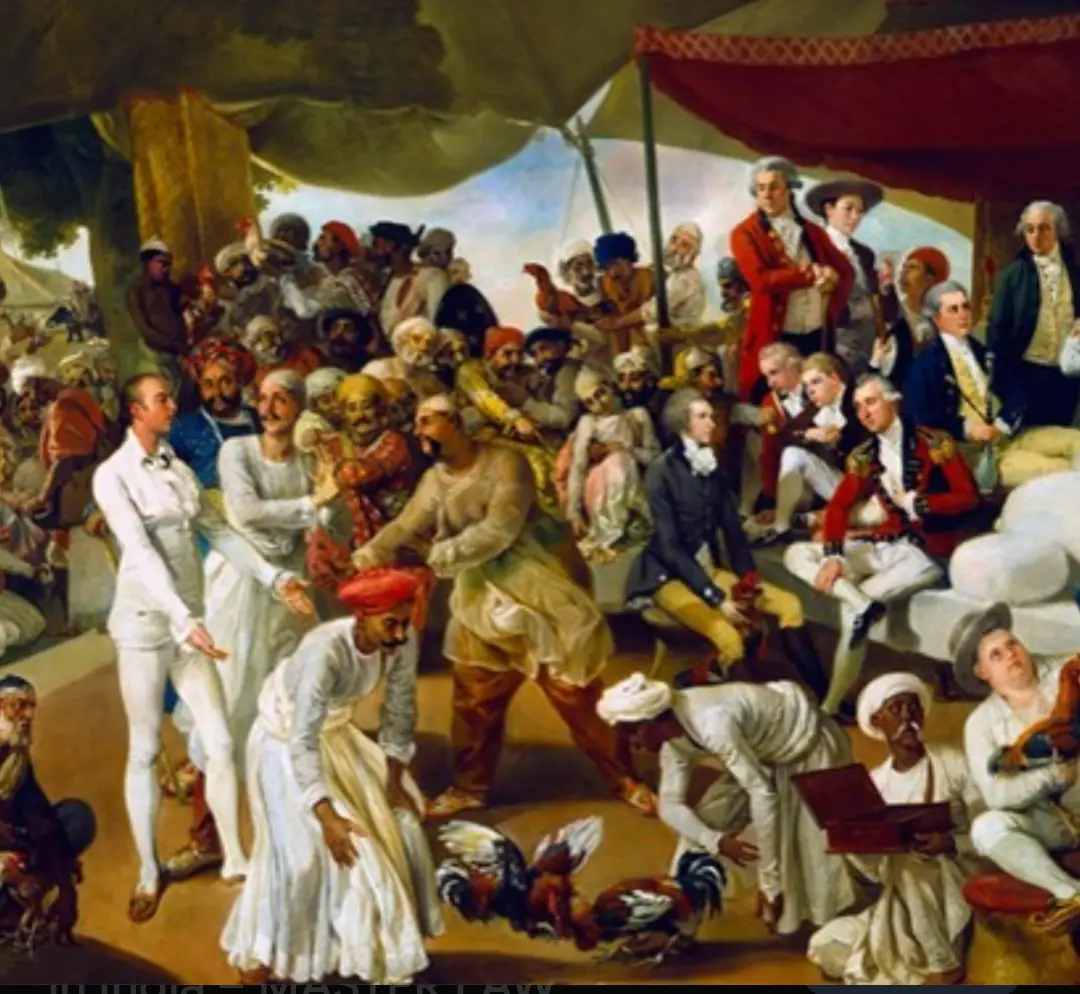
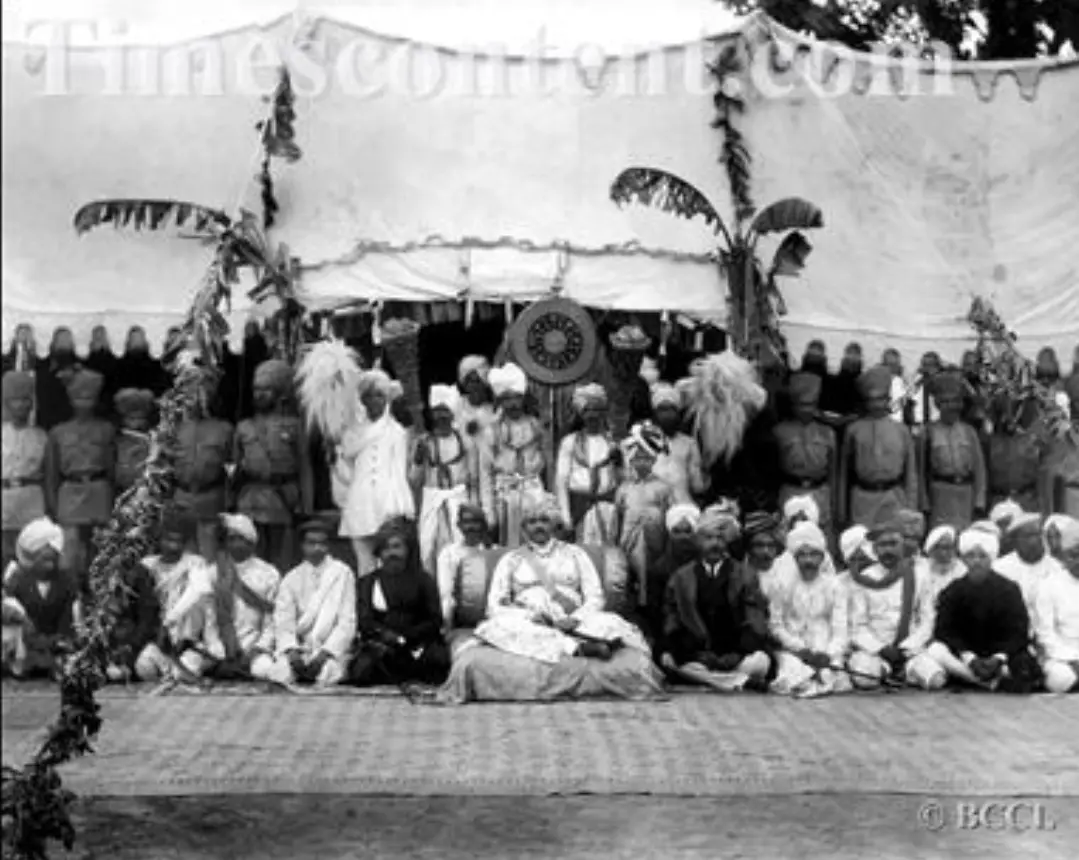
The customary land ownership of rural farmers was stripped overnight; all the farmers had legally become landless. This was the point when the seeds were sown for an inter-caste divide between high-caste rich zamindars and poor lower-caste cultivators and daily-wage workers. This became the very concept around which modern-day politics revolves in Bihar.
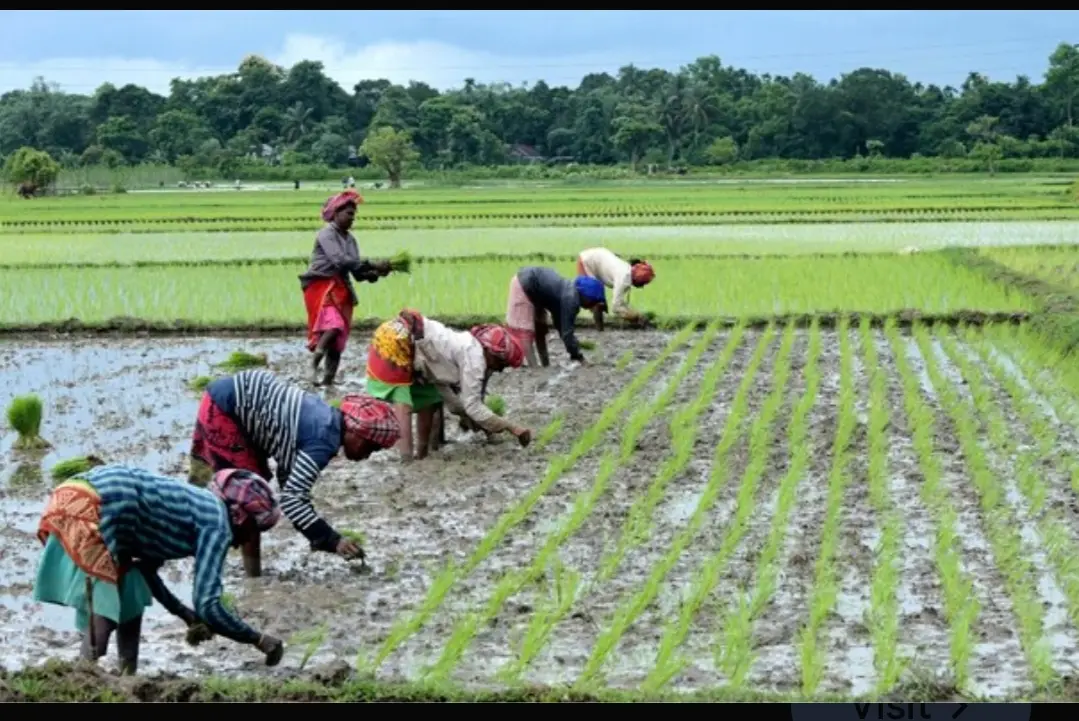
Zamindars never set foot on these legally owned lands, so they needed the cultivators and daily-wage landless laborers to keep the land functional and generate revenue for the British.
Hence, the 'Bataidari' system began—a 50-50 share formula. The cultivators invested their entire resources and labor, but in the end, the produce was divided in a 50:50 ratio between them and the Zamindars. Zamindars sold this surplus produce in markets to pay the revenue demands of the British. 'Bataidars' were tenants on their own lands and had to pay rent to their Zamindar masters.
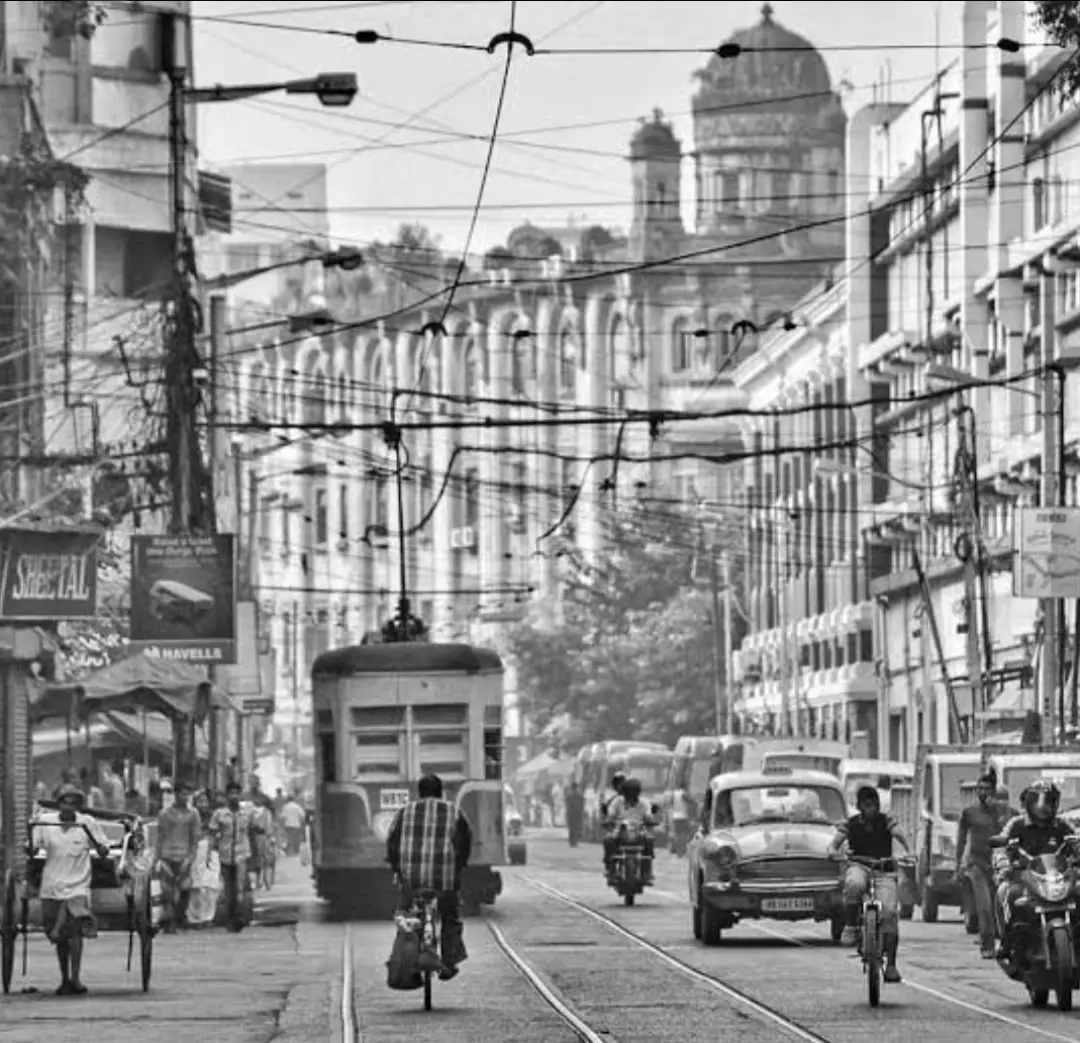
To extract the maximum possible rent and crop produce, Zamindars hired local henchmen (Bahubalis) for extortion and threats to break the farmers' morale. Neither the Zamindars nor the British officials spent a single penny on building capital goods markets or modernizing farming techniques. Bihar, being part of the Bengal State, was far away from Calcutta City.
Hence, all British investments and human resource growth were concentrated in and around Calcutta. All these years of chronic neglect and extraction without investment left Bihar in ruins at the time of independence.
§3C) POST-1947 REFORMS AND CASTE POLITICS
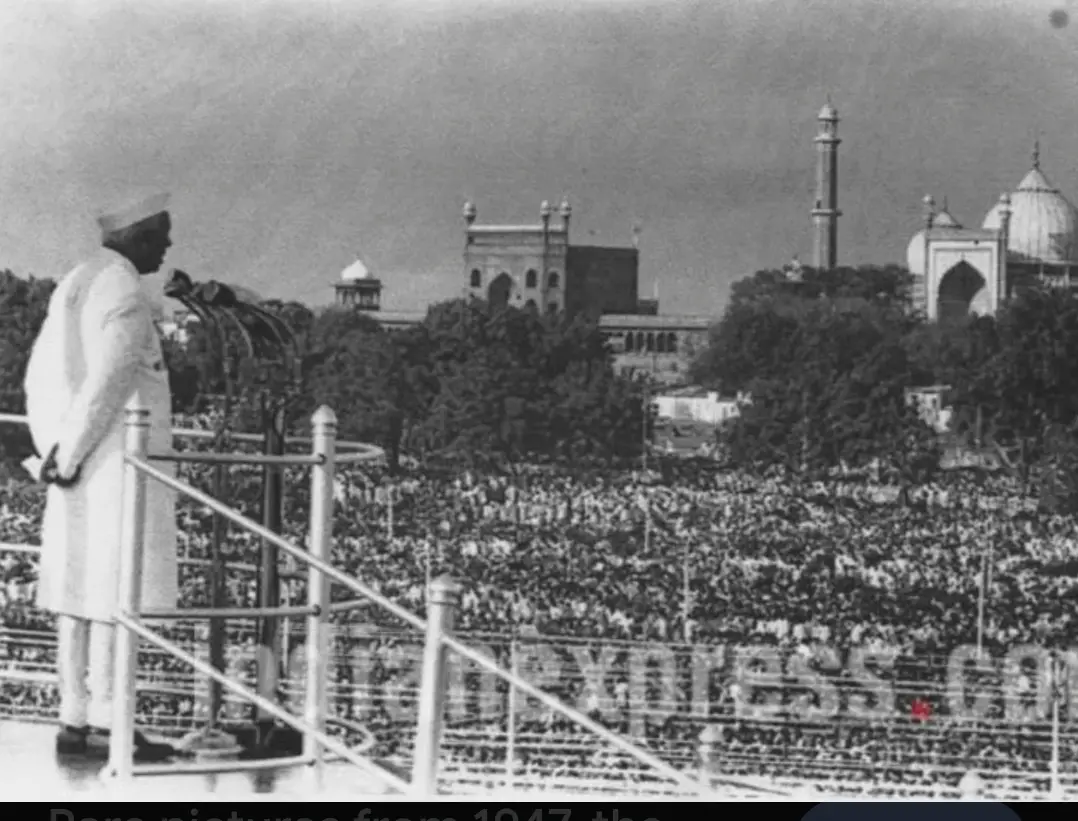
After independence, India became a secular, democratic state. The Zamindari system was abolished in the year 1951. Land reforms were introduced to reduce the concentration of large tracts of land among a few individuals of Zamindari background. The law stated that individuals could only hold ownership of lands that were cultivated under their own expenses. It discarded the 'Bataidari' system. If a Bataidar tilled a land at his own expense for 12 years, then he/she got ownership of that respective land. Maximum land ownership per individual was capped at 15 to 20 acres. The law sounded good in nature, but it hardly brought any expected change. Systemic loopholes were exploited to keep the lower classes suppressed.
Under the 'Khas' possession system, if a Zamindar cultivated a piece of land on personal expenses, then he was allowed to own it. The rest were intended to be given back to Bataidars who had already tilled it for more than 12 years. In order to stop these losses, Zamindars kicked Bataidars off their lands through forced extortion and falsified documents. They claimed that all these lands were actually being tilled out of their own pockets for a long time.
Bataidars didn't have any legal proof in the form of receipts or ownership documents to prosecute their cases in court.
To escape the maximum capping law, the Zamindars undertook the Benami ownership procedure. They distributed legal ownership of lands to their sons above 18 years of age, distant relatives, deceased individuals, and fictitious, made-up individuals through false documents.

Any attempt made by lower-caste cultivators to file a case with the police was brutally suppressed, as the bureaucrats and legislators were in a nexus with high-caste Zamindars.
This led to a state of anarchy. When the conventional mode of justice delivery failed, the suppressed had to take up arms. Prolonged deprivation and radicalized schools of thought paved the way for an armed Maoist uprising. With this began the great era of massacres in Bihar's history—a state of anarchy that directly affected human capital formation with a lack of foreign investments, job creation, and quality education.
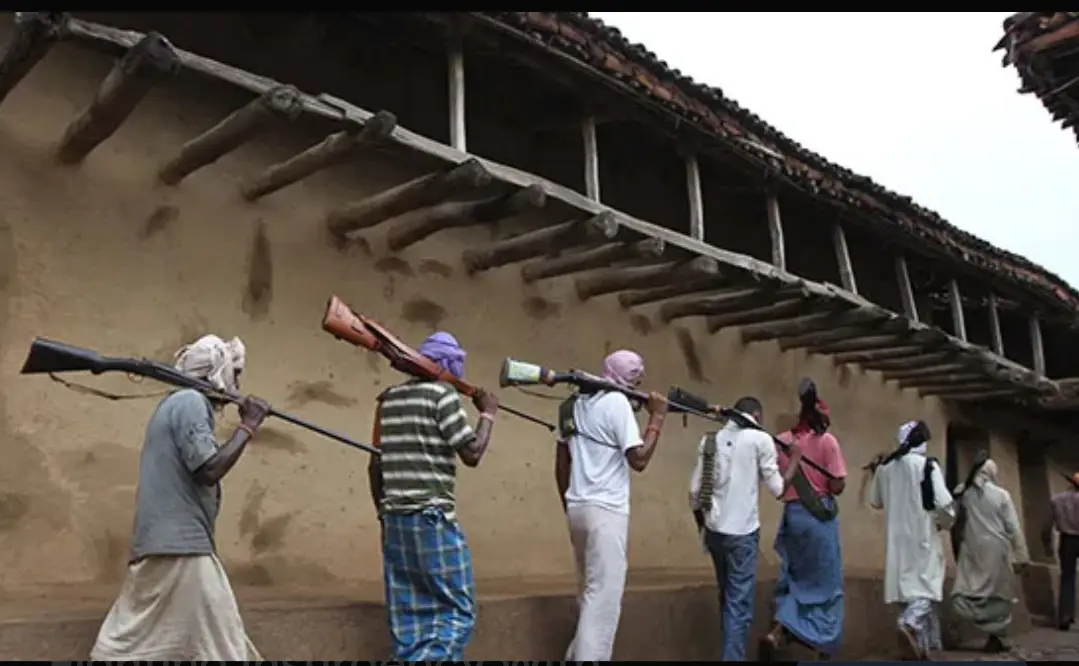
Armed Maoist uprisings in the 1970s in regions of Central Bihar—Bhojpur, Gaya, and Jehanabad—were targeted at rich Zamindars. Armed men publicly executed these Zamindars, looted their houses, and confiscated their lands.
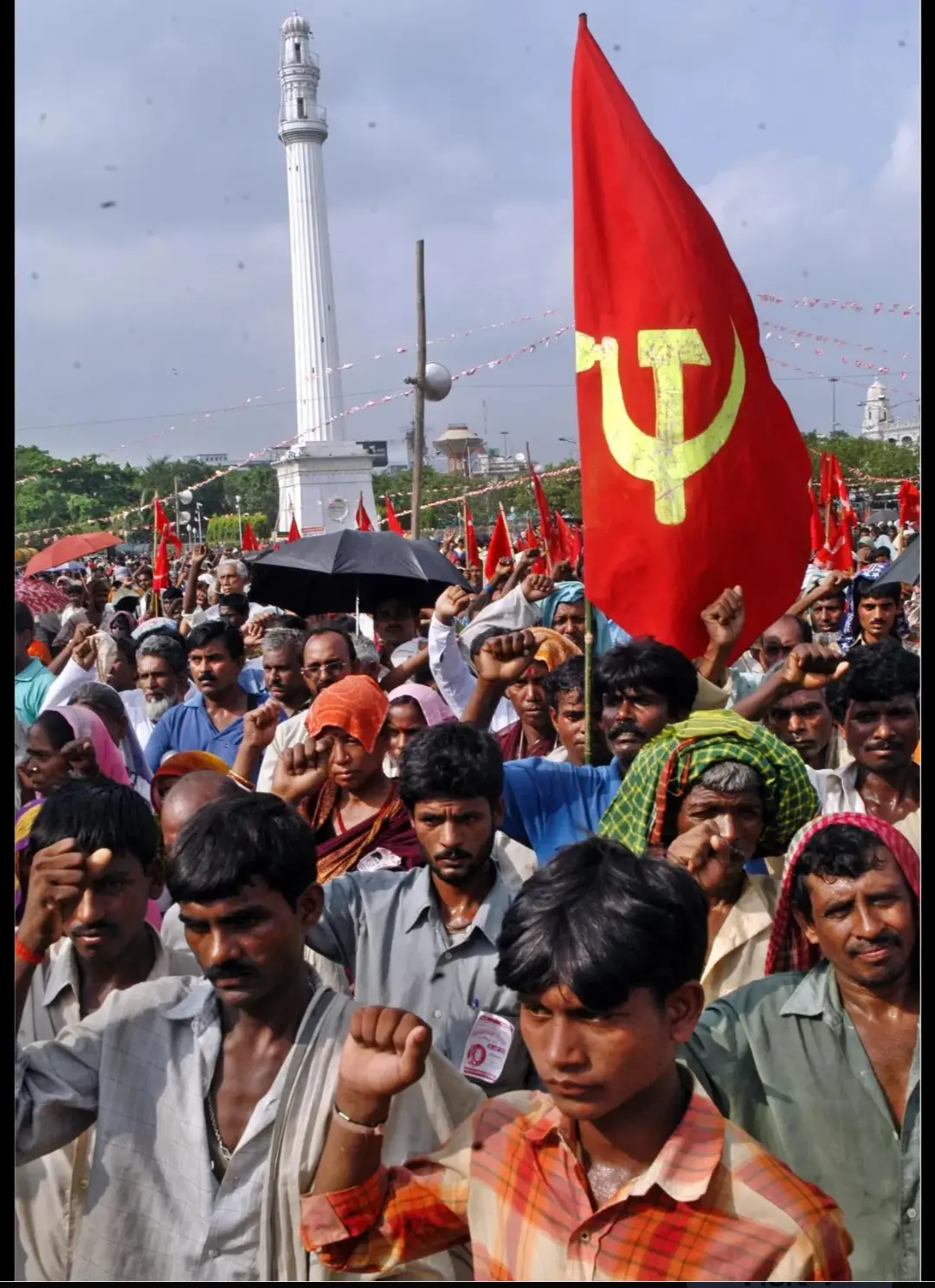
To defend themselves from this brutal aggression, Zamindars formed their own private militias: Ranveer Sena, Bhumihar Sena, Lorik Sena, Sunlight Sena, and others.
It began a series of tit-for-tat retaliatory strikes. The attacks were fatal. Upper-caste militias torched villages and killed innocent individuals who were suspected to be in support of Naxals by providing them food and shelter. A state of lawlessness continued. Innocents were killed on both sides, from women and children to newborn infants
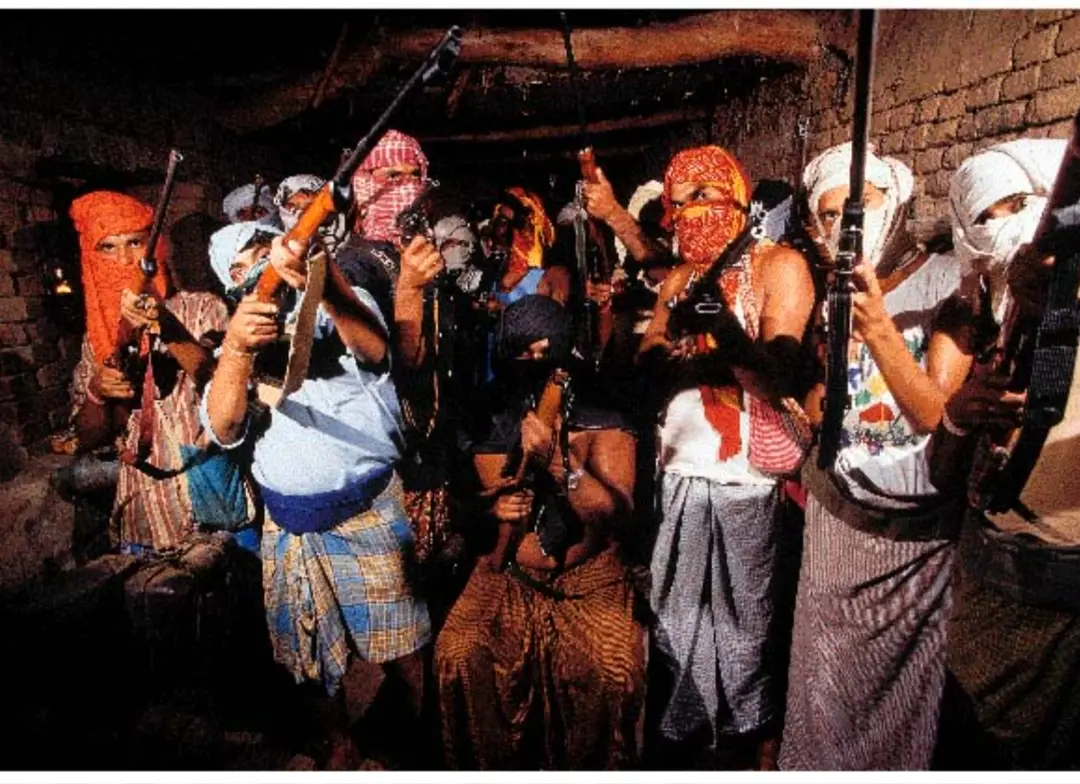
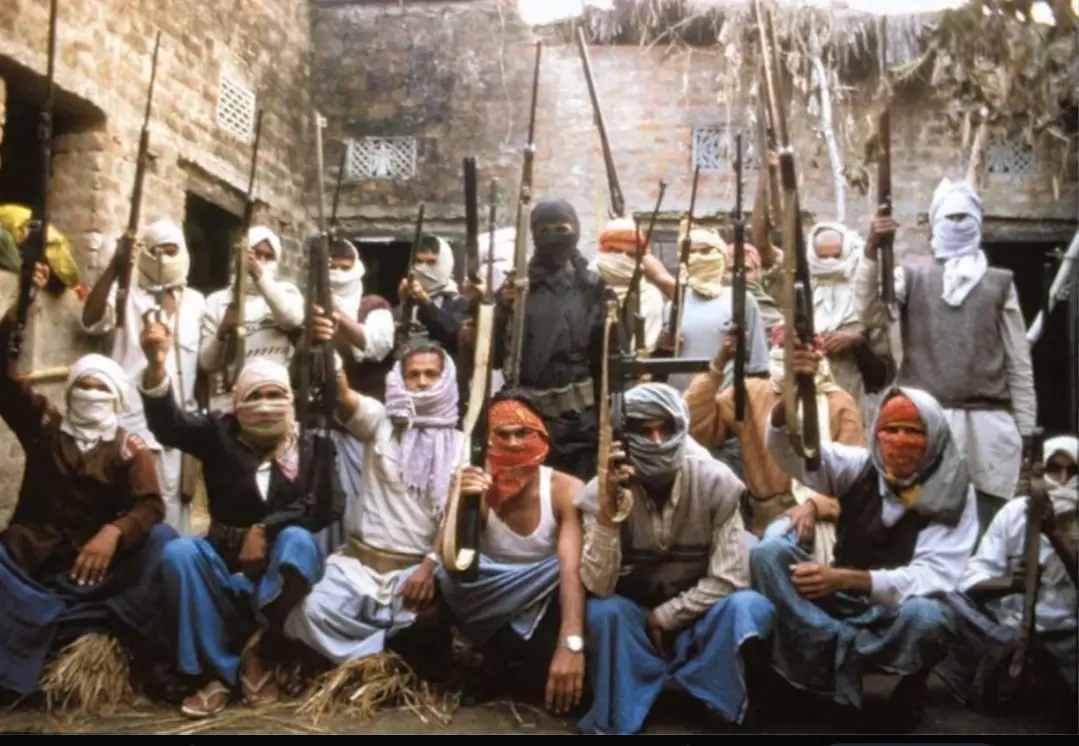
All these events prevented multinational companies or independent startups from setting up industries that could have ultimately boosted the economy and generated employment.
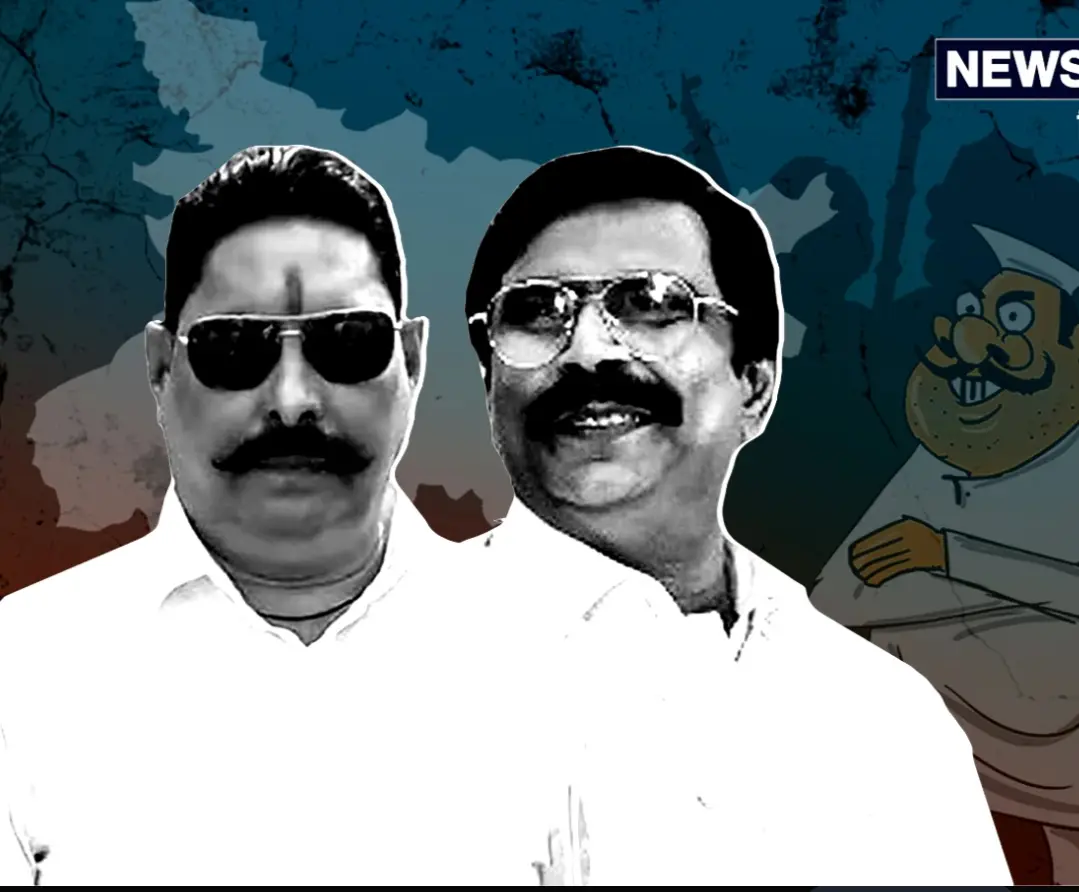
Before the 1990s, the political landscape was dominated by the upper-class elite who were in a nexus with bureaucrats and police officials to keep the lower class suppressed. Electoral literacy and prolonged deprivation led to the rise of politicians like Lalu Prasad Yadav and Nitish Kumar, who belonged to the lower classes.
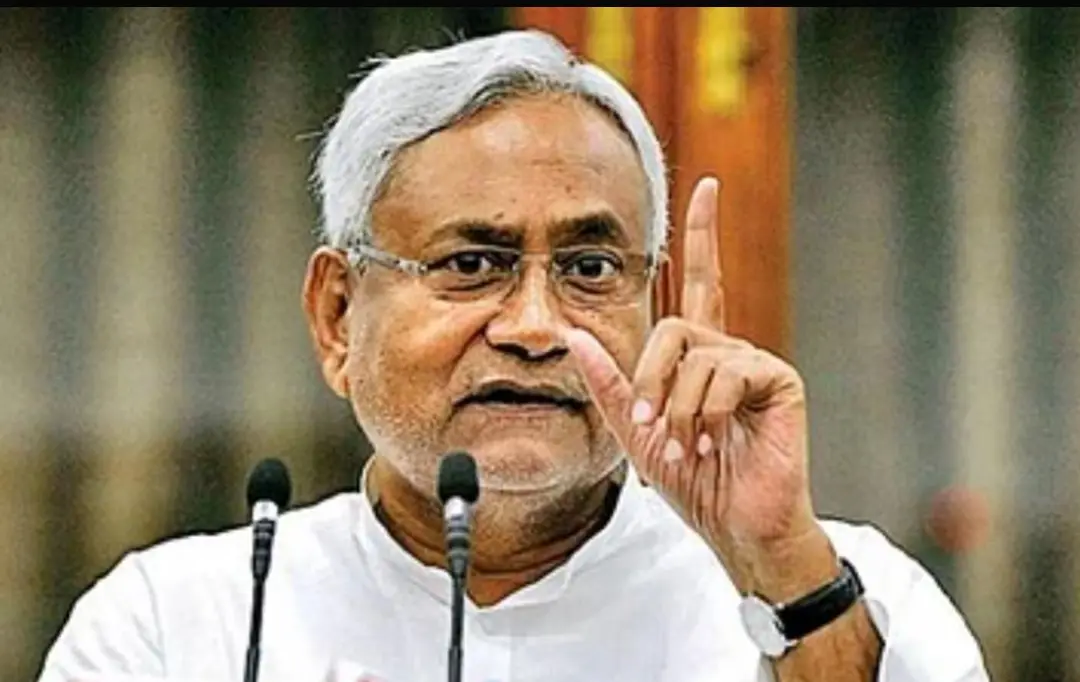
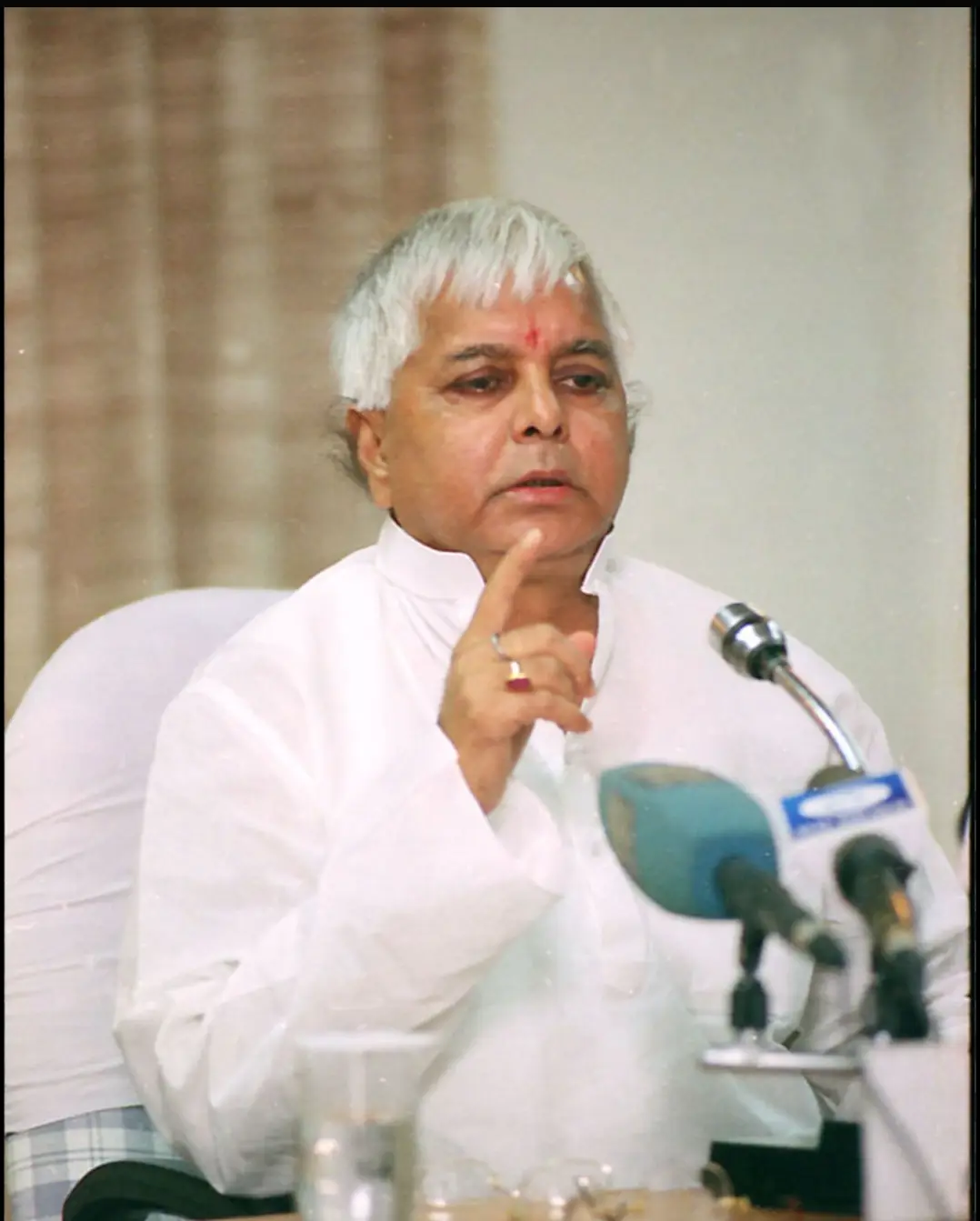
The entire election cycle revolved around caste politics, as these popular leaders focused their governance models on social representation rather than building long-term state machinery like healthcare, connectivity, and education. Political parties formed their own vote banks: Muslims + Yadavs, OBCs, EBCs, and others.
There is a saying that was made popular during that time:
"Vikas nahin, Samman chahiye" (Not development, but dignity)
People were so tired of upper-class elite exploitation that they were ready to compromise real, on-ground development for basic dignity and social representation.
§4D) DEBUNKING THE 'BIHARI-MAJDOOR' STEREOTYPE
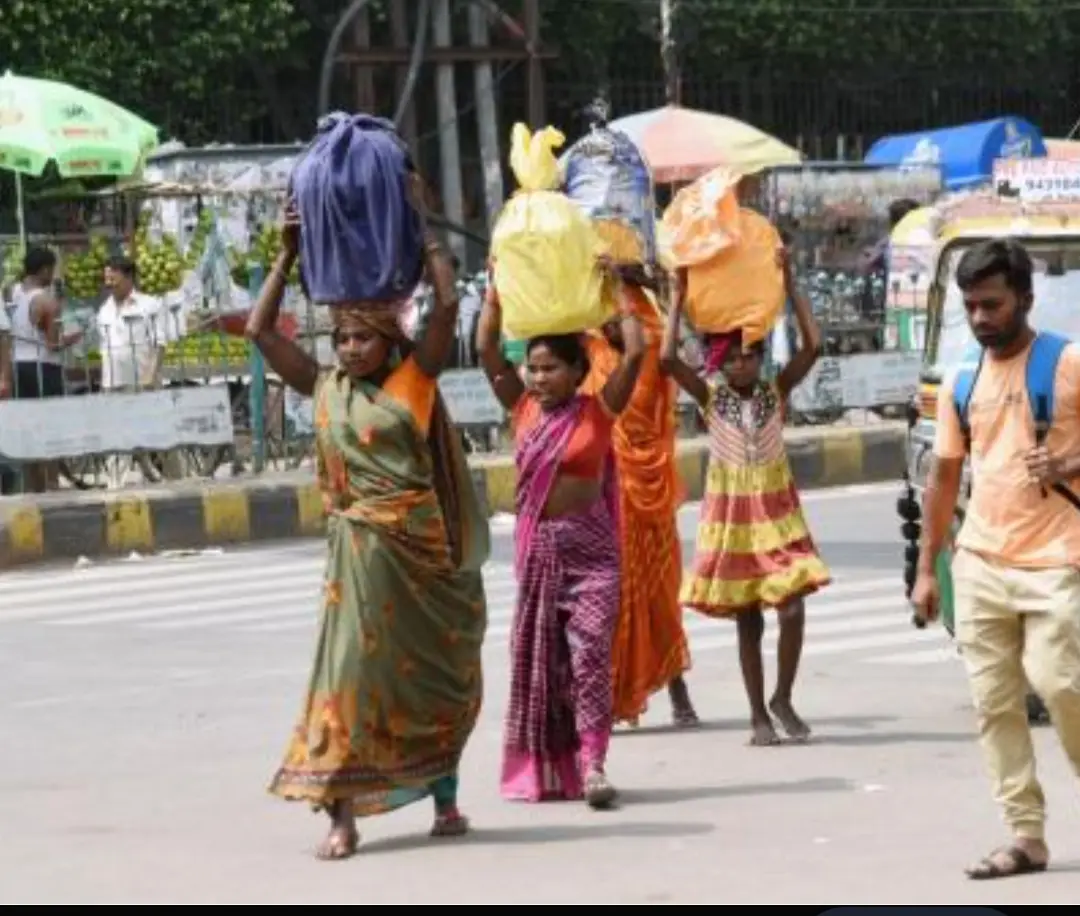
As soon as someone takes the name of Bihar, one of the first things that comes to our minds is illiterate, uncouth, cheap labor.
The reality is actually far beyond this stereotype.
In colonial times, Bihar had a thriving handicraft and cottage industry. High-quality textile exports and large agricultural surpluses made Bihar a very prosperous region. Colonial policies aimed to de-industrialize this sector by importing cheap, machine-made textiles from Britain while imposing heavy tariffs on Indian textiles entering the British market.
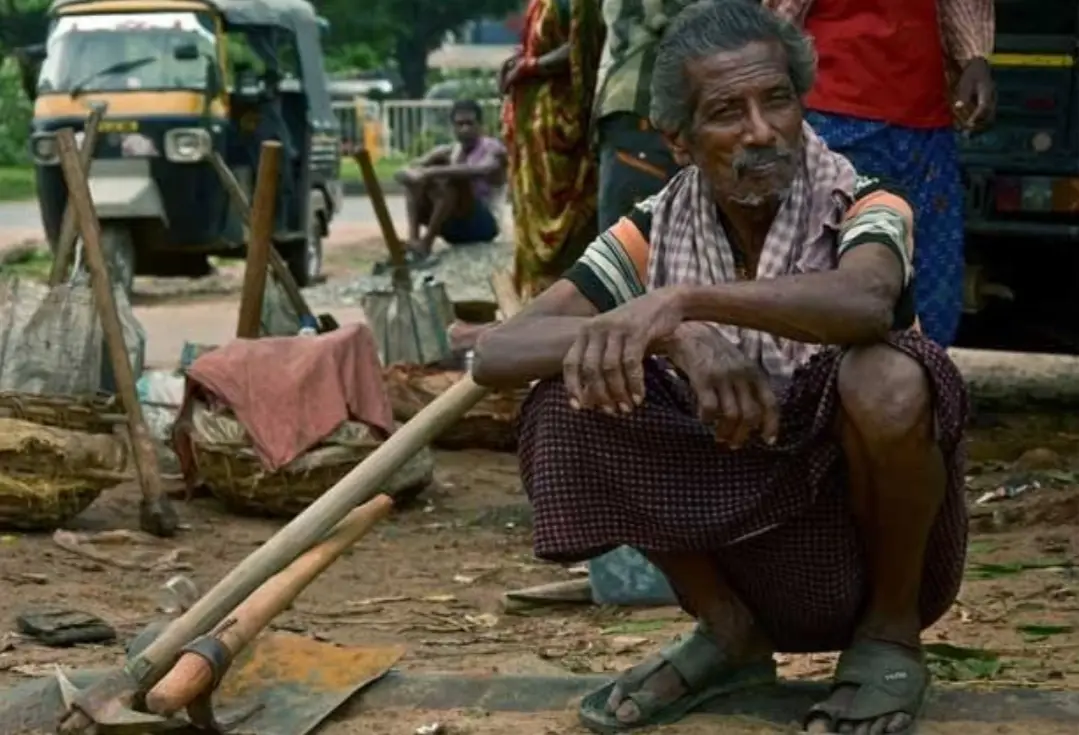
This shattered the rural economy and forced entire generations into manual labor and subsistence agriculture.
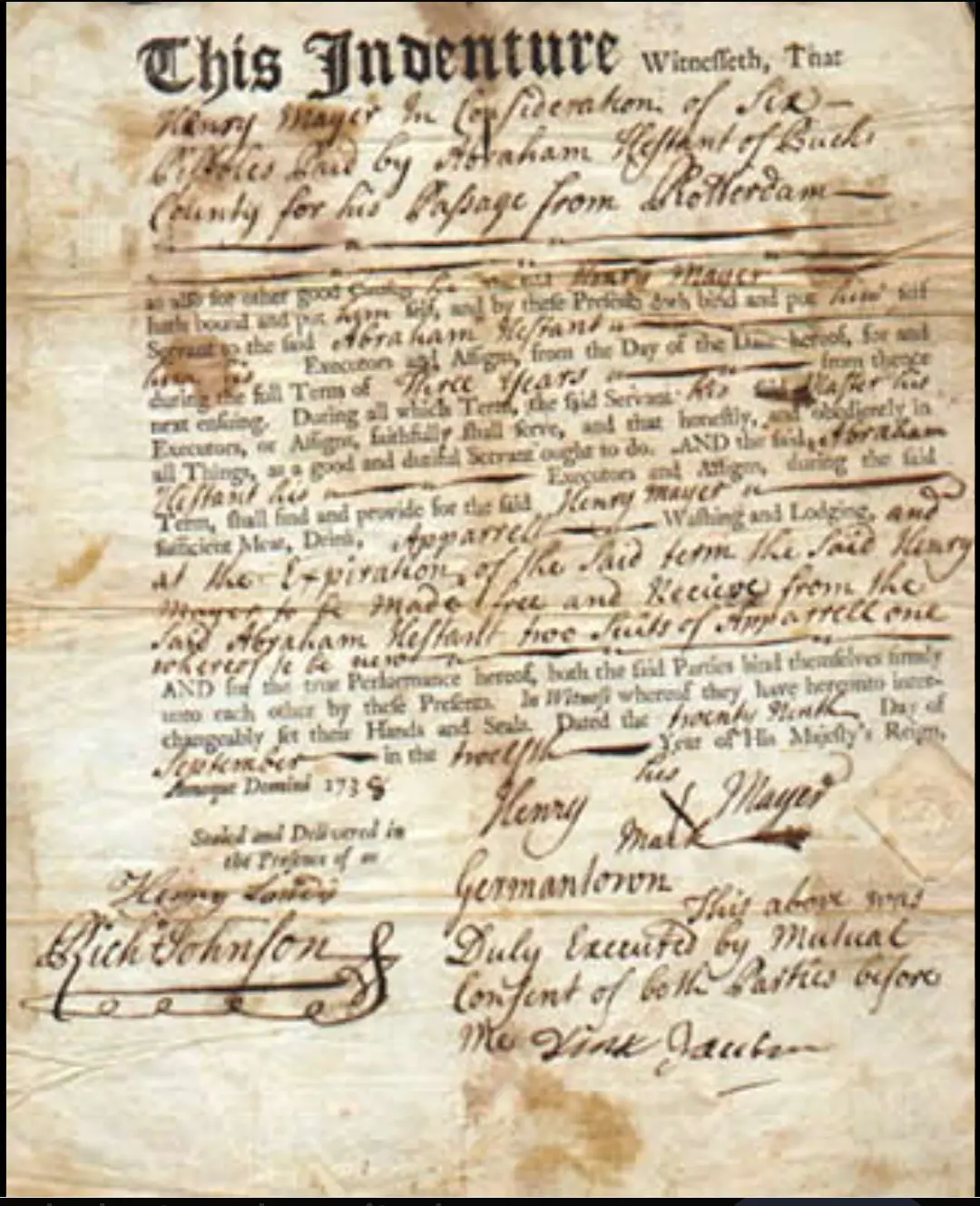
In 1833, slavery was officially abolished across the British Empire. This led to large-scale, acute labor shortages in British factories around the globe. Under the "Girmitiya System", middlemen roamed villages and streets to take advantage of rural landless workers.
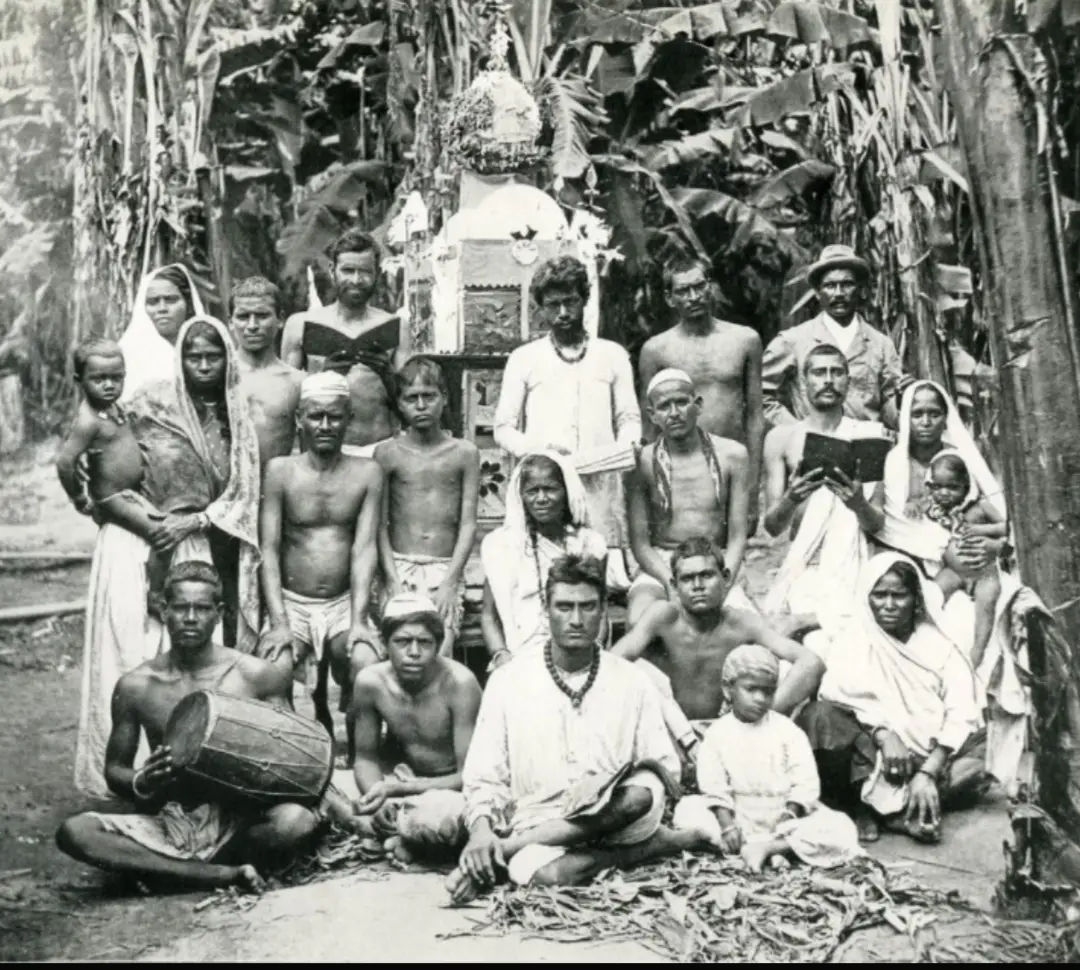
The middlemen made false promises to workers and lured them into contracts for indentured labor. This led to the migration of rural daily-wage workers to Fiji, Mauritius, and Suriname in the hope of good earnings and a better lifestyle. But what unfolded was entirely the opposite. Indentured laborers were brutally exploited and paid meager salaries, living hand-to-mouth
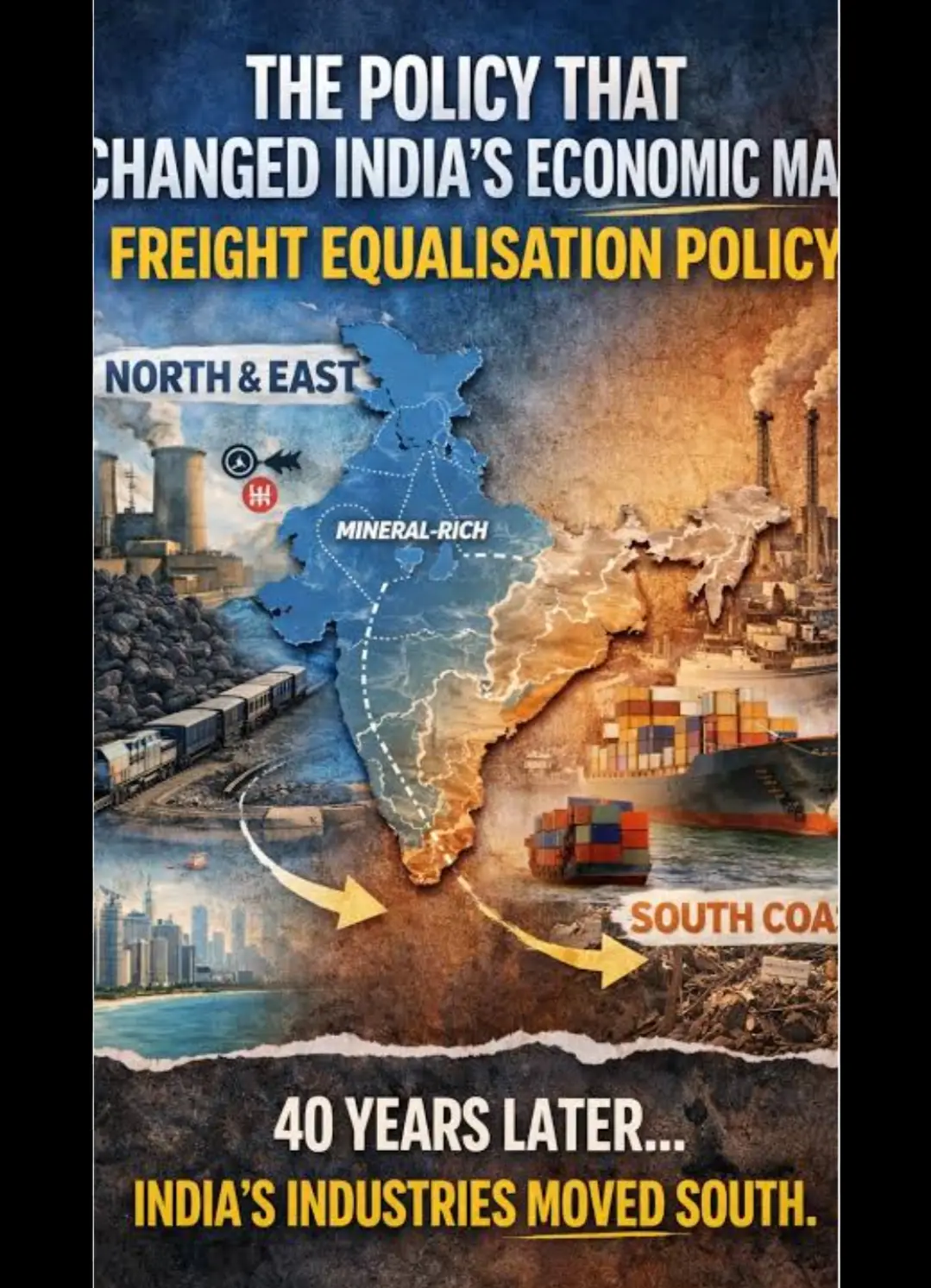
Post-independence, the introduction of the Freight Equalisation Policy in 1952 equalized transport expenses across all parts of the country for extracting minerals from resource-rich areas like Bihar and Odisha. In simple terms, someone operating in Maharashtra or Gujarat could transport mineral resources from eastern states with zero additional freight cost. The transport expenses were identical whether a factory was in a far coastal state or in Bihar itself, as freight costs were subsidized by the central government.
This stripped Bihar and other eastern states like Odisha of all their geographical advantages. Industrialists and investors preferred setting up manufacturing hubs and factories (like textile mills and steel industries) in the already established consumer markets of Gujarat and Maharashtra, which had direct access to international trade, rather than in unstable regions of Bihar that were deprived of basic infrastructure.
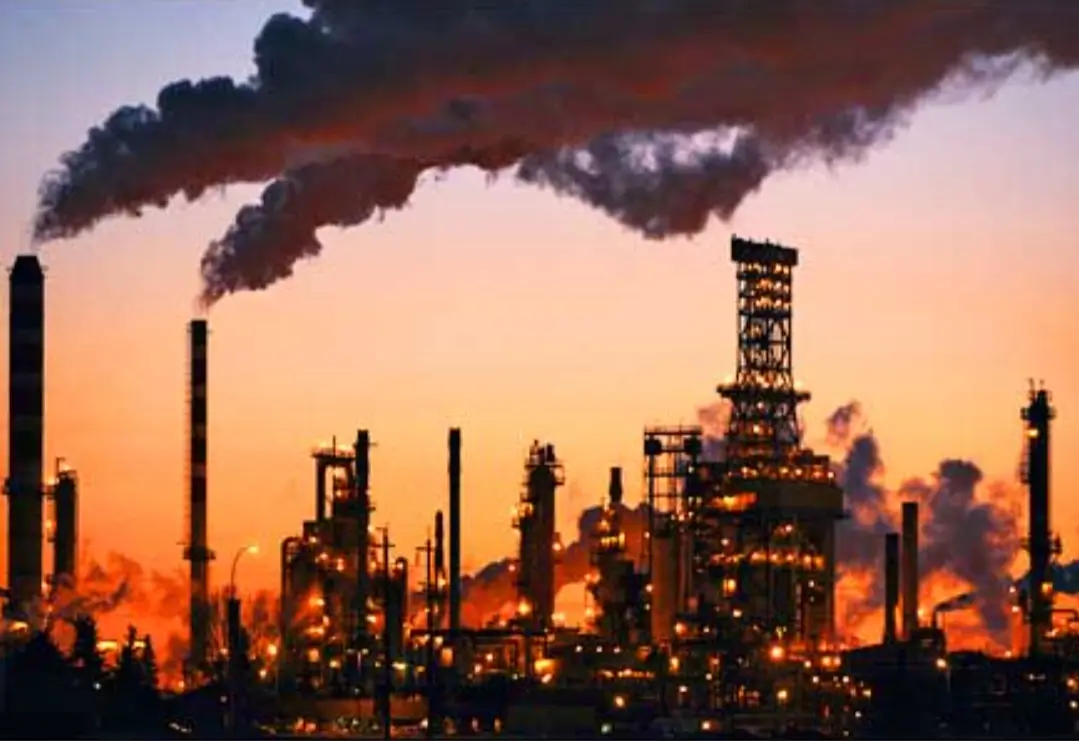
The lack of industrial units, factories, and manufacturing hubs led to large-scale migration of daily-wage workers due to chronic unemployment.
The very role we mock and troll Biharis for—working as laborers—is their only mode of survival.
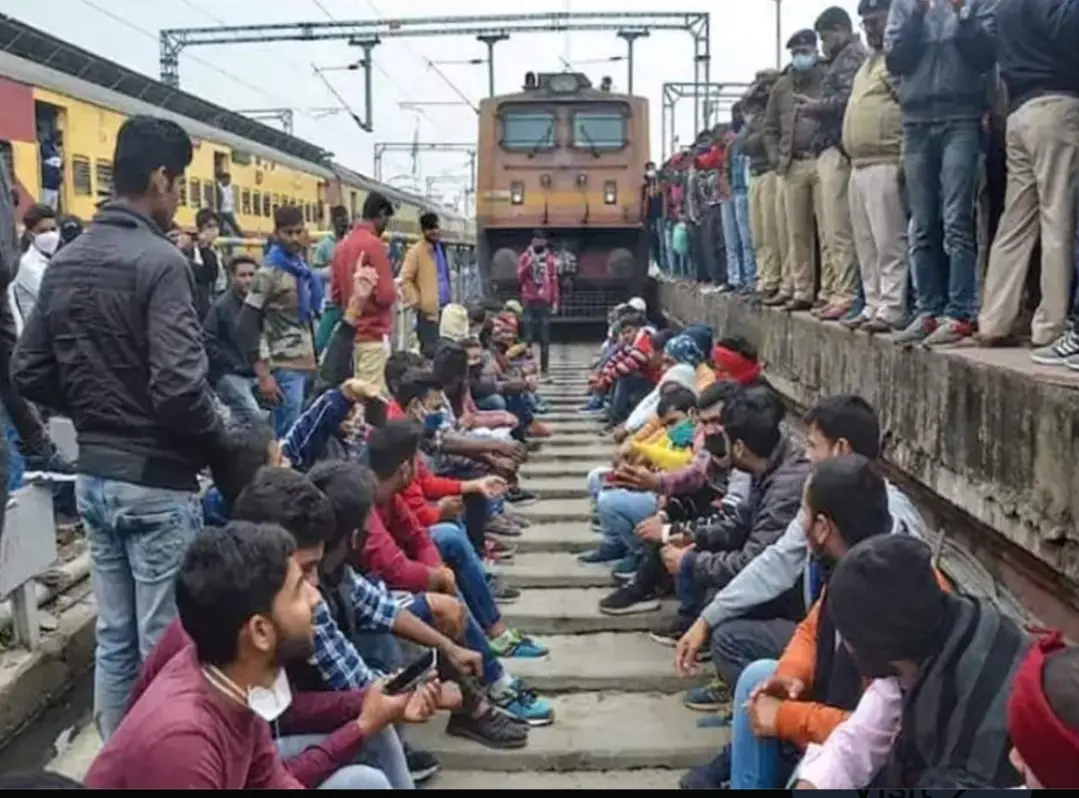
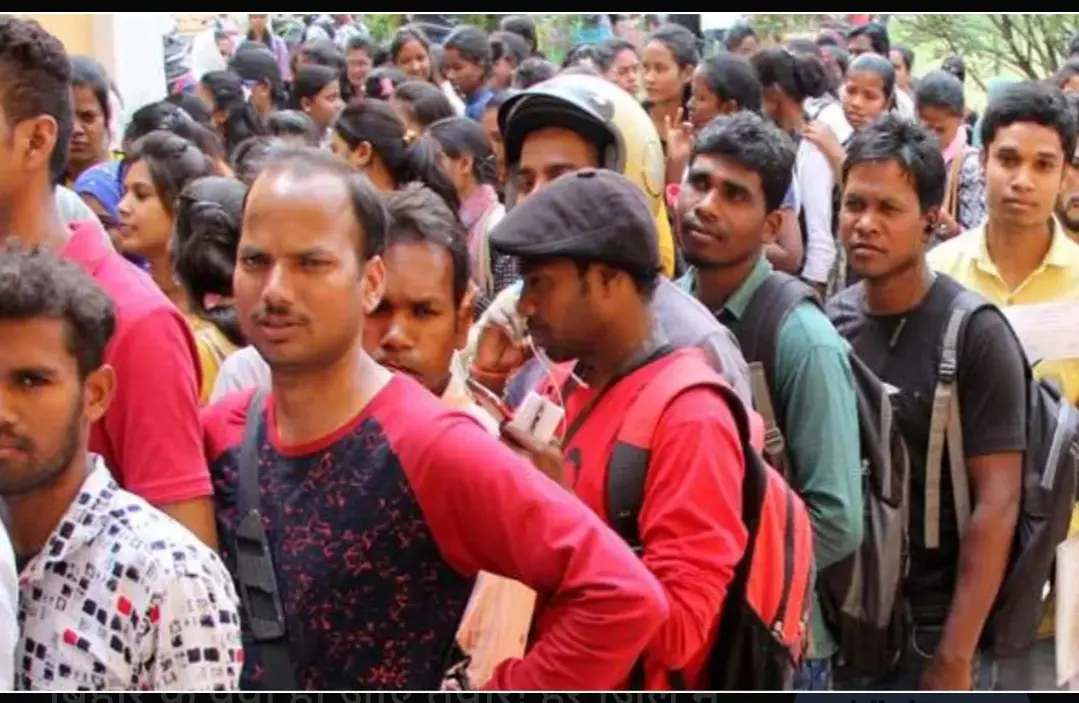
Caste-based politics and a poor Human Development Index forced Bihar's workforce to migrate to regions like Delhi-NCR, Mumbai, and Kolkata, which experienced large-scale urbanization in the 1980s and required cheap labor for construction work.
Now we have understood the foundational causes of this chronic deprivation.
In the next part, we will look into the reasons behind Bihar's degraded education system, healthcare, major political scandals, corruption, and the rise of the vulgar-music industry, alongside the implications of the creation of Jharkhand.
To be continued