The Civil-Military Ideological Divide
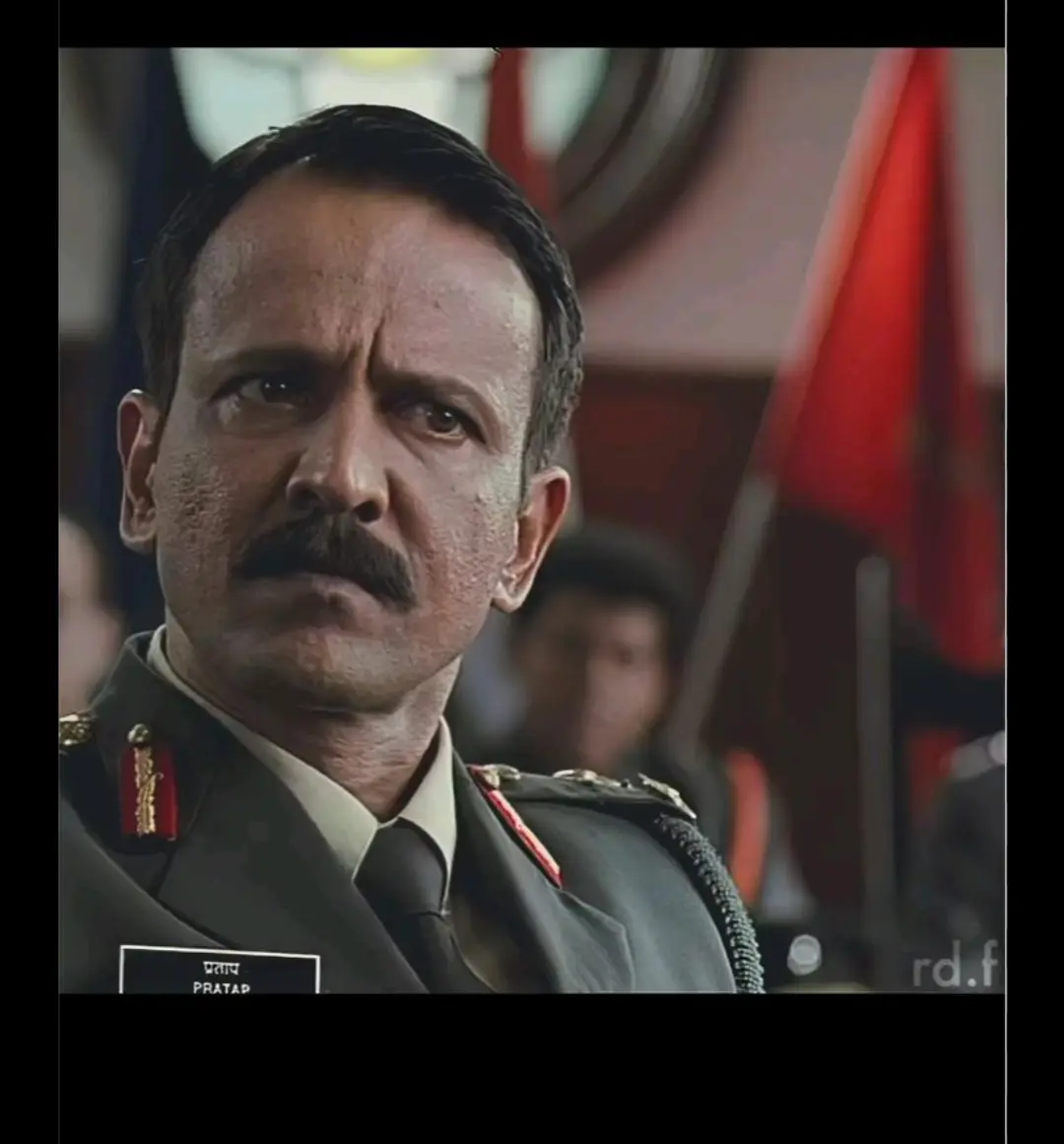
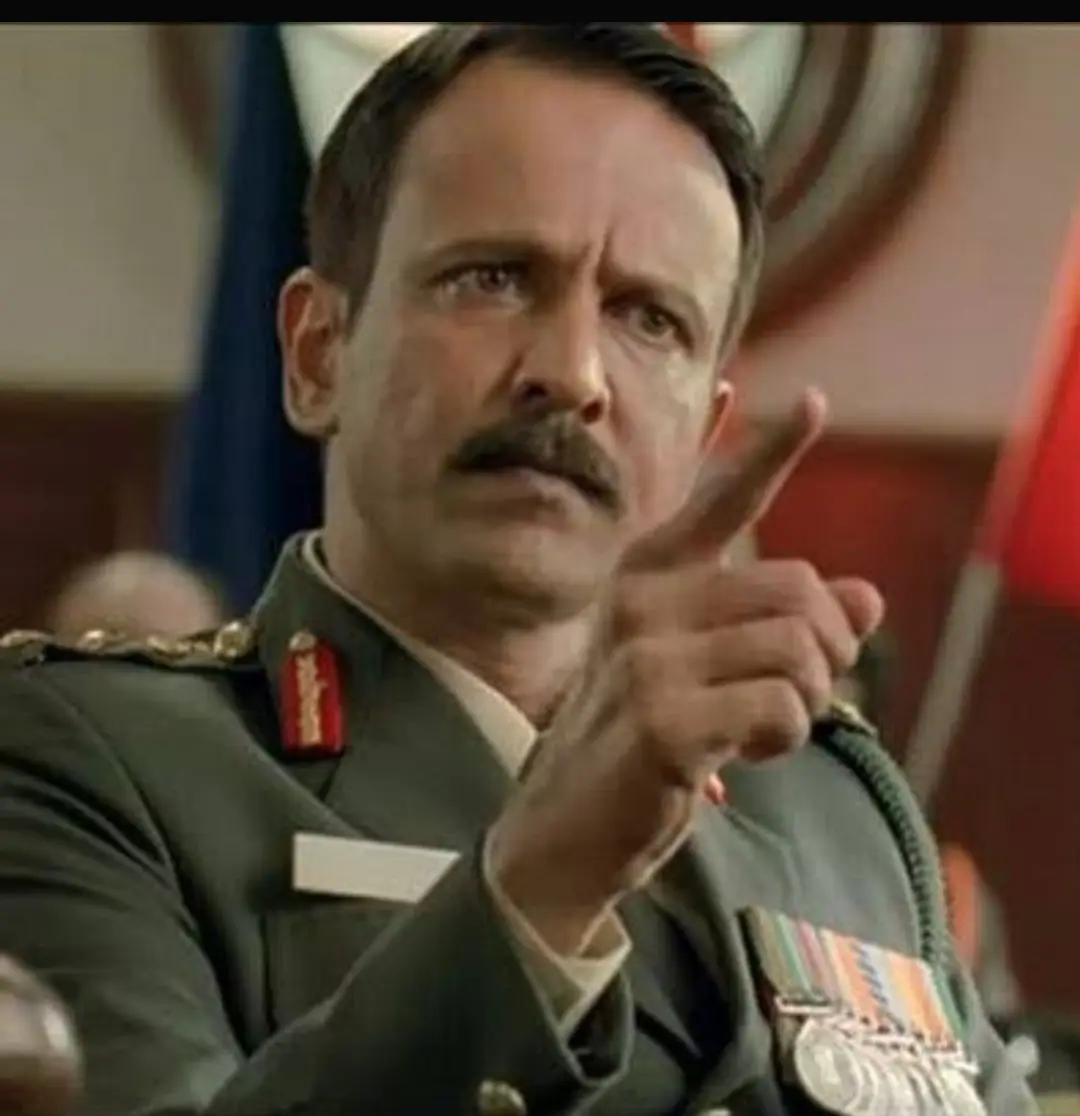
Decoding the 'Brigadier Pratap' syndrome
 Brahma Swarup Das5 Aug 2026 · 4 min read · 8 figures
India is a unique country dotted with varying faiths, cultures, and a multitude of ideologies. To govern a nation-state like India, you need an effective machinery that strikes an optimal balance between different branches of the government. India as a country has faced extremes on multiple fronts: full-scale high-altitude wars, economic breakdowns, and political instabilities with the fall of coalition governments. Because of various reasons, these problems that we faced in the past can be called a "blessing in disguise."
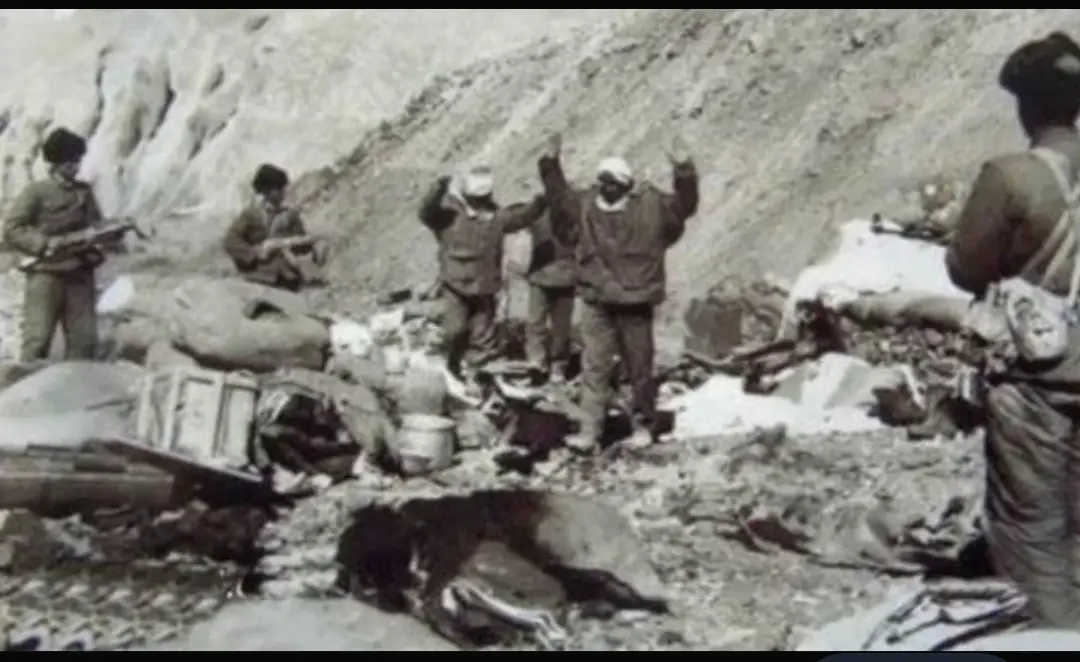
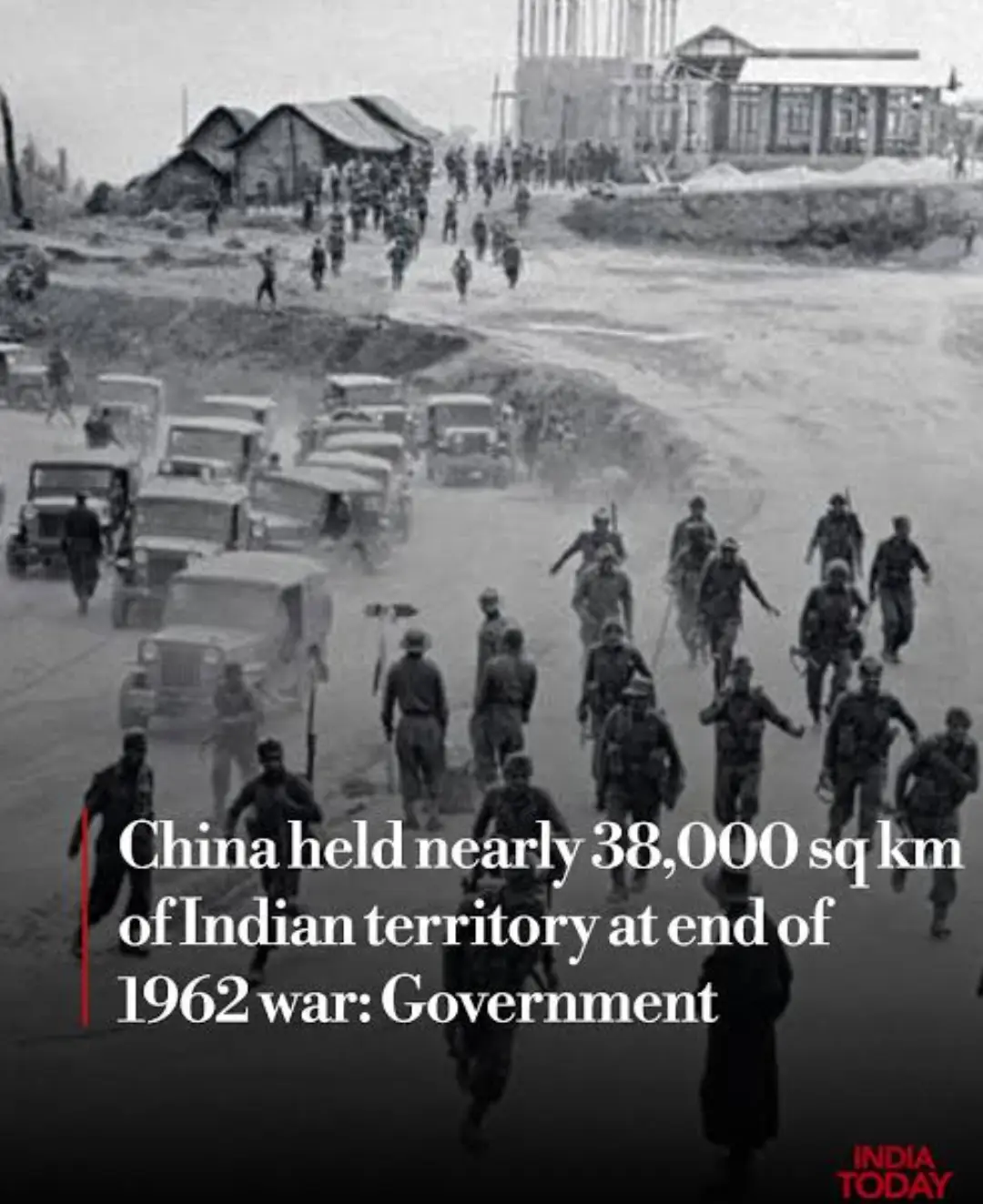
Such crisis-like situations helped us to build battle-hardened armed forces, a seasoned executive, and a legislative body capable of running the world's largest democracy. Along with it, such situations give birth to a certain faction of ideologies in all these bodies which breed radical beliefs. These radical beliefs are somewhat frivolous in nature, which may not be a point of immediate concern. But, in the long term, it can cause friction between various branches of the state that can be problematic at critical times.
Though this fanatic school of thought resides in all bodies, we will restrict ourselves to the Indian Armed Forces in this article. A job in the Indian security forces is undoubtedly one of the most prestigious and demanding professions in the country. Absolute commitment to your duties and obedience to protocols, superiors, and the state form the backbone of this profession. Forged discipline and resilience help the security forces face any adverse condition without fail. Years of rough training and hardships build some of the most elite soldiers in the world, but along with it comes a caveat.
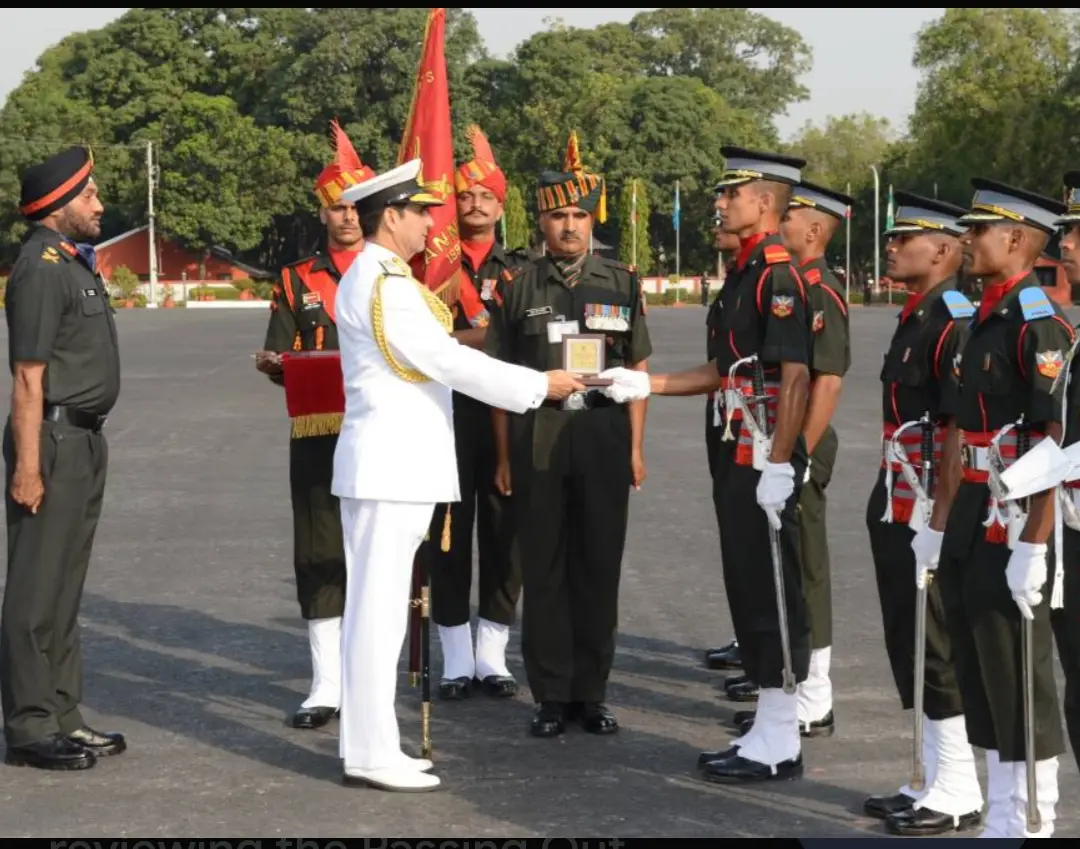
A small fraction of people in the forces, including officers and soldiers, develop some kind of hatred for the civilian mindset and lifestyle. They eventually start discarding civilian contributions in nation-building and feel uncomfortable engaging in any kind of joint operation. Such hardliners have it instilled in their conscience that whatever the forces do is always right and the rest of the world is just a fluke, living a life of pseudo-nationalism and superficiality.
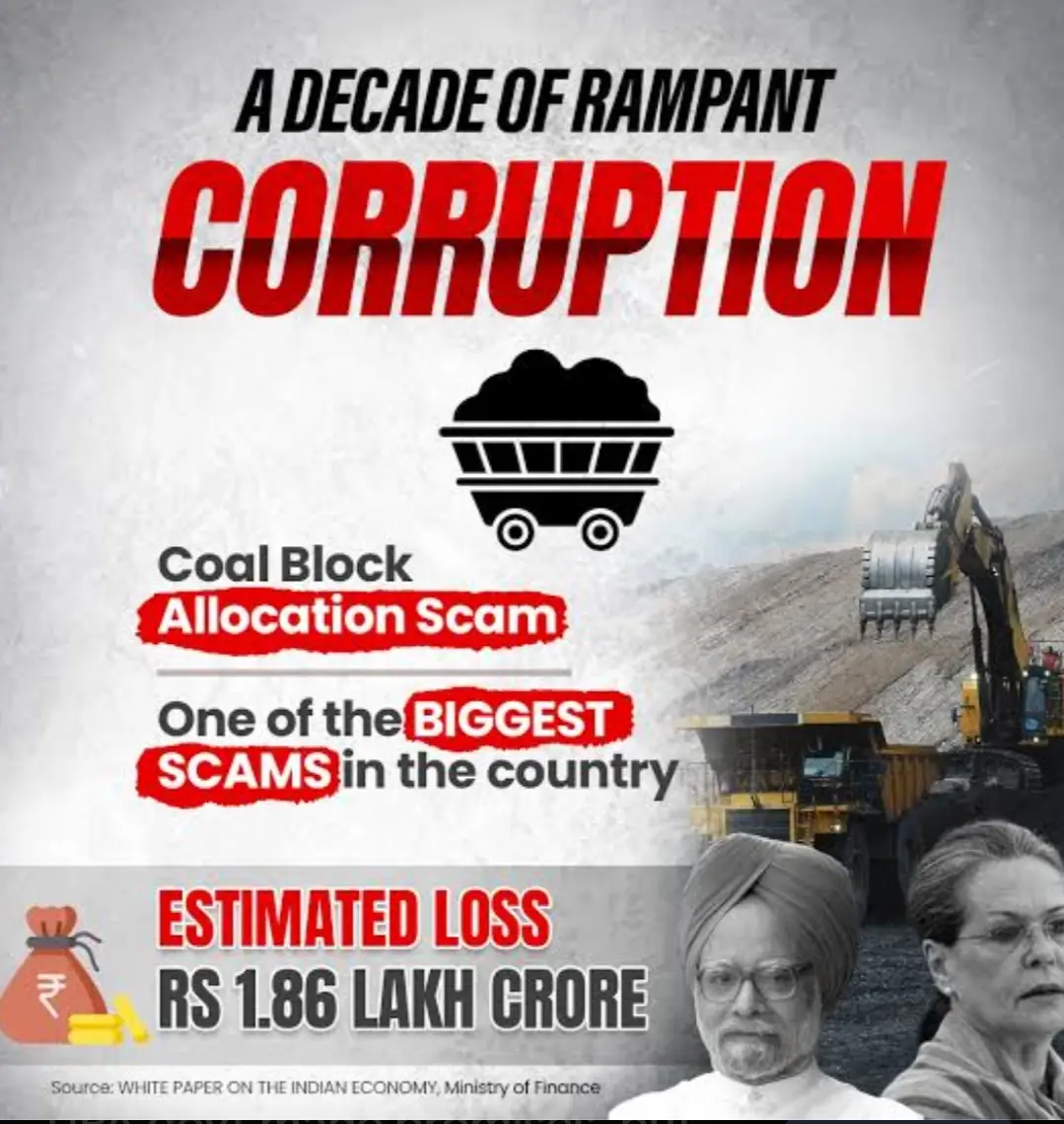
If we look into our past, there have been various instances when the Indian Military suffered from operational failures and casualties due to domestic politics, delays in the supply of logistics and essentials, as well as ambiguity in decision-making. Despite all these failures, Indian armed forces have been constantly engaged in their efforts to safeguard national interests and the state. At an individual level, if we look into the life of our soldiers, there are days when they have lived lives of extreme deprivation. There were instances when the Army had to fight the enemy with empty stomachs and zero sleep for many a day. Adding to their grievances, there were constant delays in the supply of ammunition and essentials that complicated their situations. But never ever in history was there an instance of rebellion or an attempt at a coup because their grievances were not addressed.
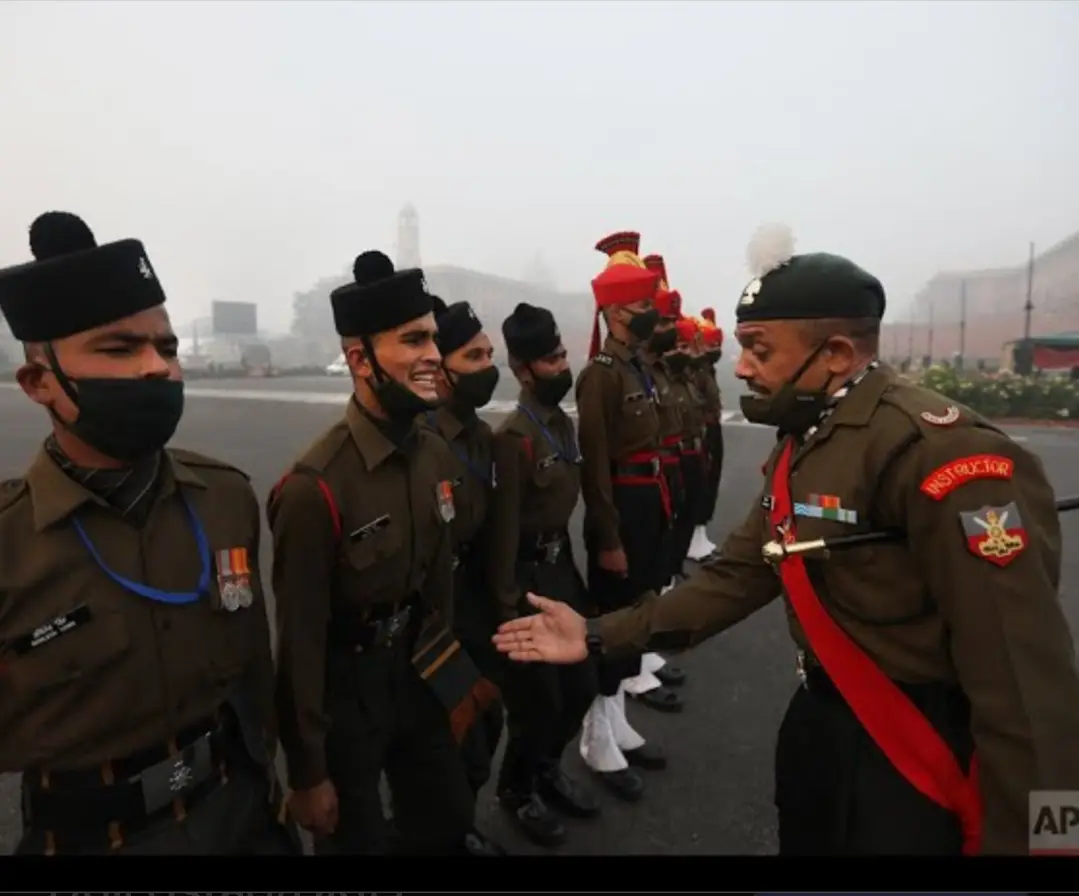
The institutional framework is so rigid and streamlined that it demands complete obedience to the state and sacrifice on the battlefield, whatever the condition. So, it is viable to see that some officers and soldiers find it insensible and stupid to witness constant protests, civilian anger, and digital outrage. What adds to their frustration is that such protests don't revolve around life-or-death questions, but around paper leaks, farm laws, caste census, subsidies, vote-bank politics, and minor glitches in decision-making. The soldiers find a stark contrast here, as even in a life-or-death scenario, they don't have the luxury of protesting or raising their voices against maladministration. They just perform their duties irrespective of any external glitches that are not in their control.
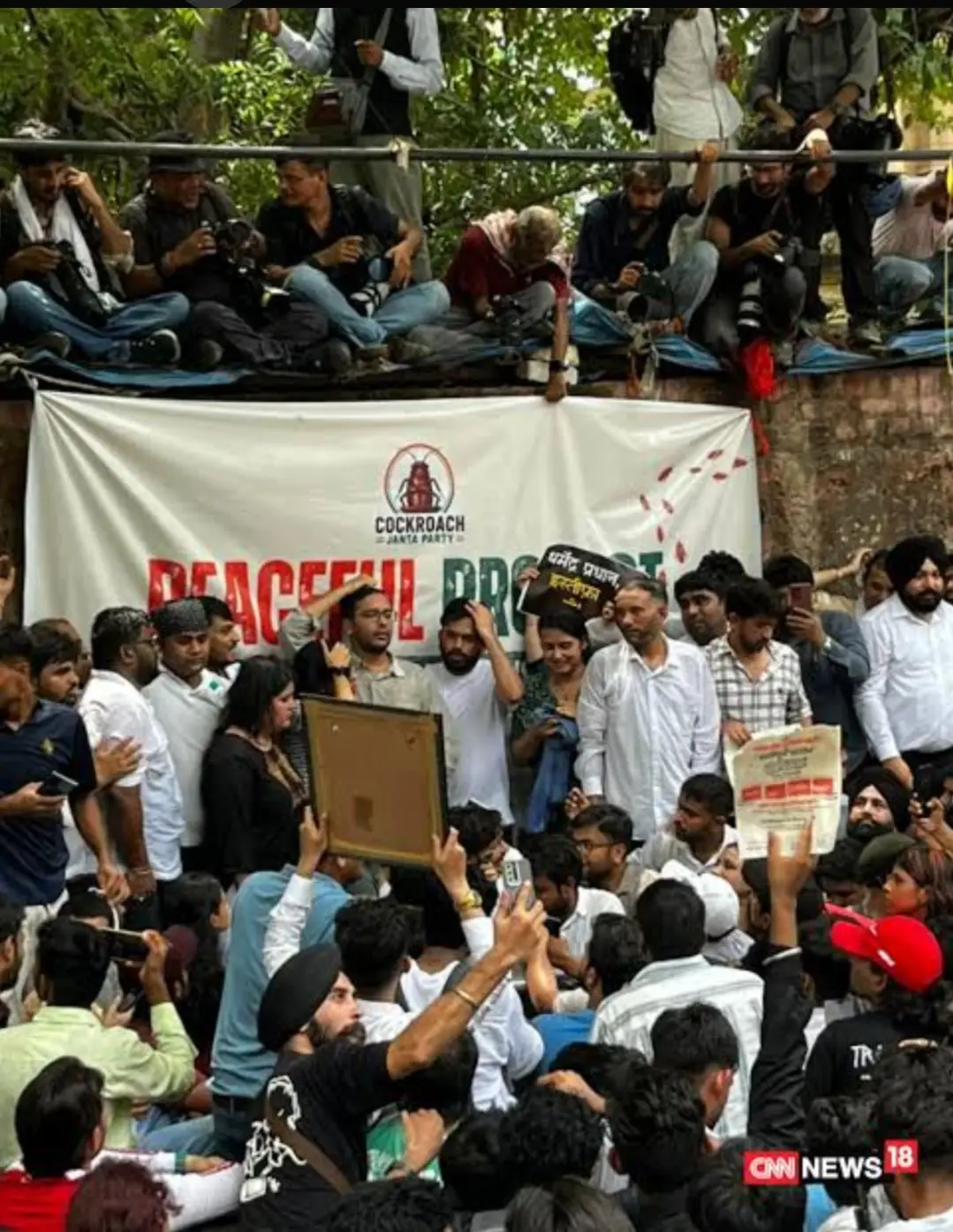
For example, which might sound a bit weird: you bring a soldier to appear for the NEET exam. He/she appears for the exam and waits for the results. Later, a superior comes over and informs him/her that the NEET paper which was conducted got leaked due to some systemic failures, and they have to appear for a Re-NEET. Surprisingly, their reaction would be very simple. They will get back to their books and pens, starting to prepare for the Re-NEET without any expression of dissent. Because there is no room for dissent in the Indian Armed Forces, as the institutional demands are such that any kind of dissent will distort the core of unity—which is completely unaffordable when the enemy is sitting at your door.
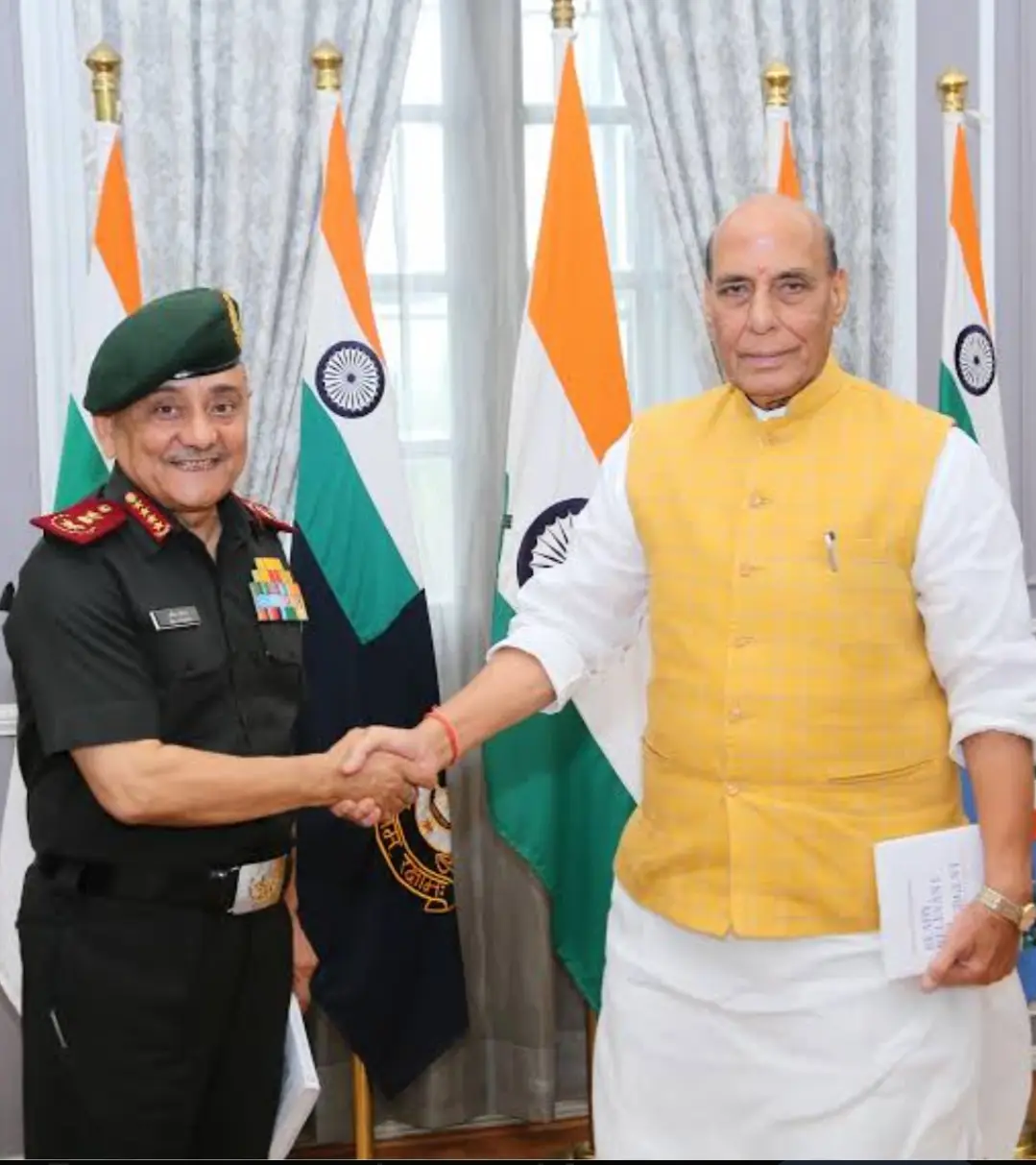
Due to such reasons, a breeding ground for fanatic thoughts against civilians is viable. But this idea is an utter injustice to those civilians who are working relentlessly for national development. There are still millions of righteous individuals in government bodies who are delivering selfless service silently, just like our security forces. Discarding their contribution entirely would be unfair. Hence, a cohesive environment of understanding needs to be built between the military and civilian machinery to bridge the gap in ideological differences. The issue must be addressed in order to prevent the deepening of emotional cracks or severe friction during future collaborations.