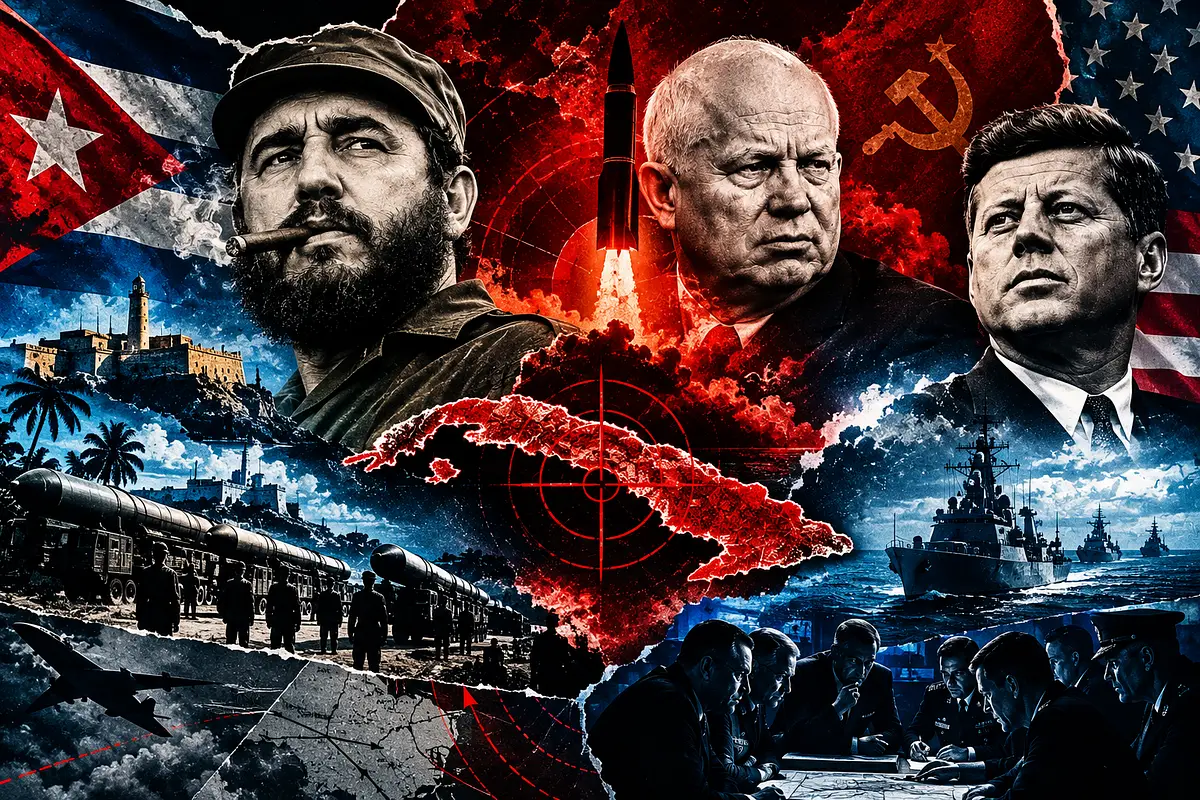
The Cuban Missile Crisis
USA and the Sphere of Influence
 Brahma Swarup Das25 Sept 2026 · 4 min read · 9 figures
Imagine you are a Soviet submariner, stuck with two other officers amidst the clash of the two greatest superpowers of the Cold War.
From inside your B-59 Soviet submarine, you could clearly see the USS Beale destroyer using explosives to force your vessel to surface. Unaware of world events, your crew has remained submerged for the last four days. The submarine has turned into a pressure cooker: oxygen levels are depleting, temperatures are soaring, and paranoia that World War III has already broken out has engulfed the crew.
In this state of chaos, both of your fellow officers give the green light to launch a T-5 nuclear torpedo at the US destroyer.
Now, it is your turn. A single "yes" from you could ignite a full-scale nuclear war and alter the course of human history...
§1The Inception: Cold War, Space Race, and Beyond
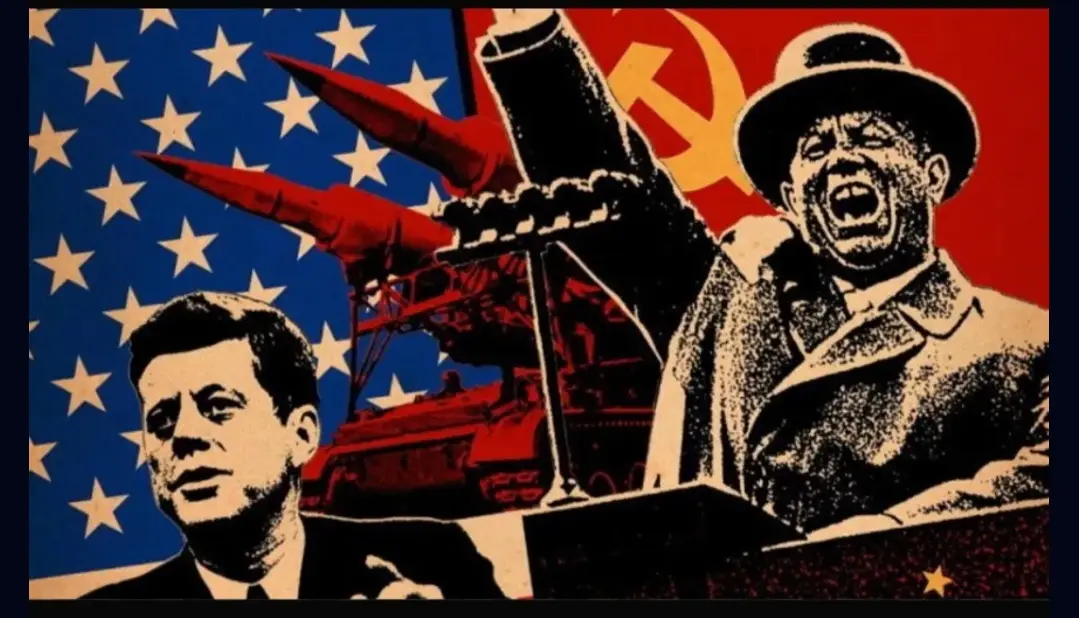
In 1957, the Soviet Union successfully launched the world's first artificial satellite, Sputnik, into space and officially ushered in the Space Age. This single event sent shivers through Washington. It forced the United States to brace for a space race, driven by the alarming realization that the USSR now possessed the world's first ICBM (Intercontinental Ballistic Missile)—the R-7 Semyorka. Used to launch Sputnik, it had the capability to strike any American city within 20 minutes.
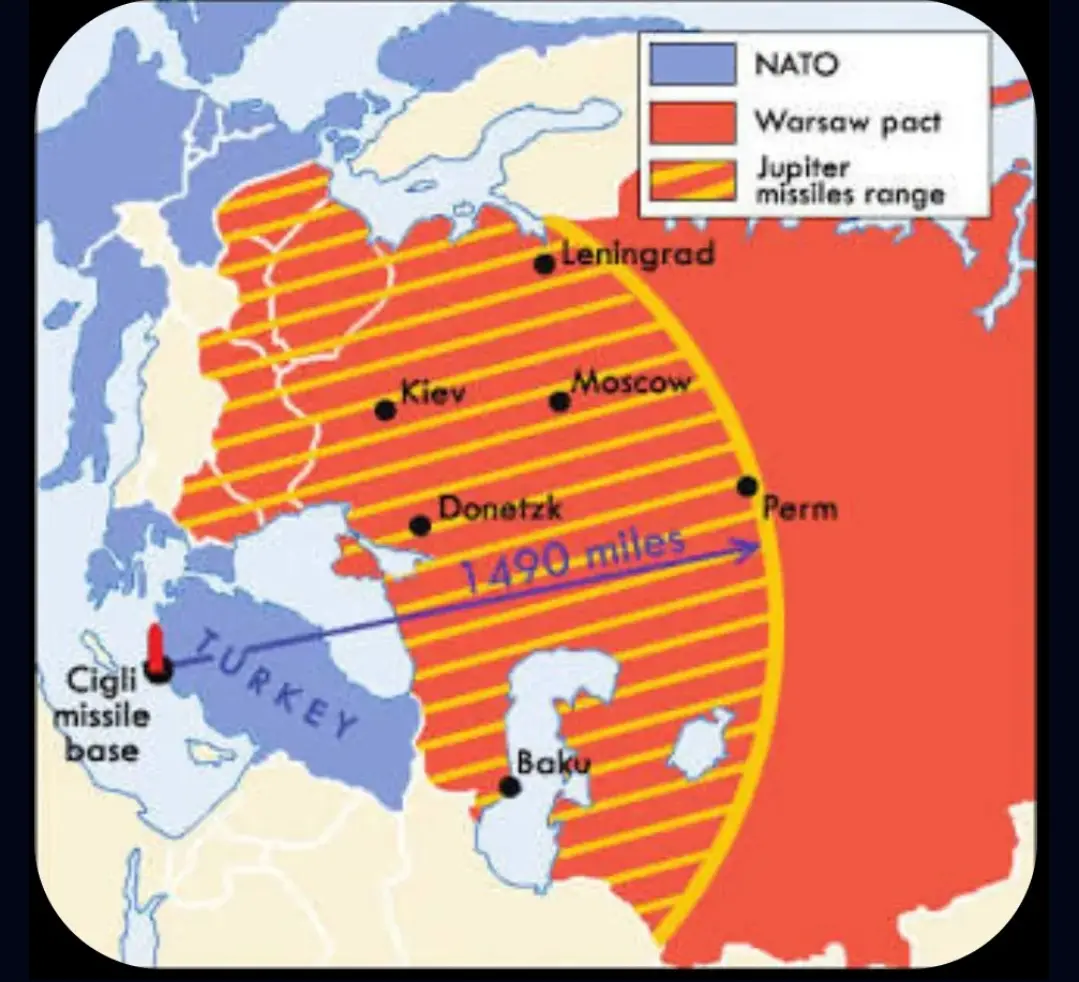
This "missile gap" panic pushed the Americans to pour billions of dollars into defense R&D to build their own ICBM arsenal. To deter the USSR's growing nuclear capabilities, the USA deployed Jupiter missiles to its allies, Turkey and Italy. Located within a 1,500-mile range of Western Soviet territory, these missiles could strike Moscow and major industrial centers in just 15 minutes.
§2Bay of Pigs: Aftermath and the Soviet-Cuban Nexus
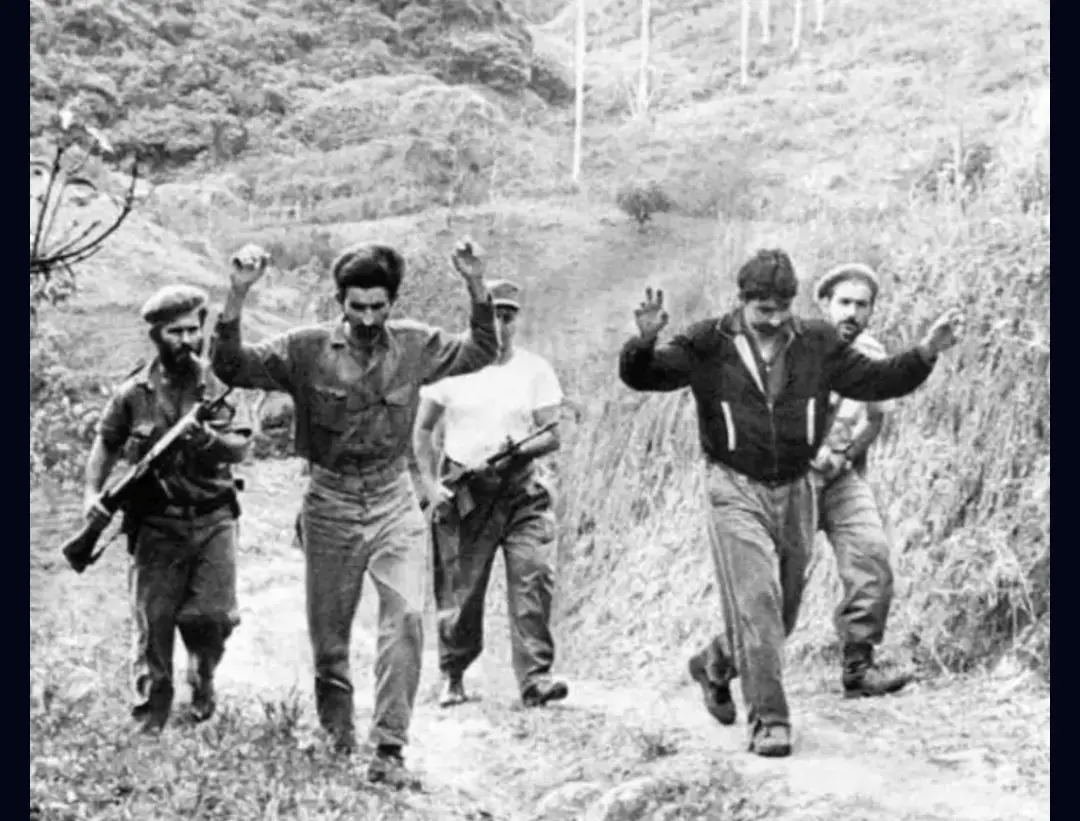
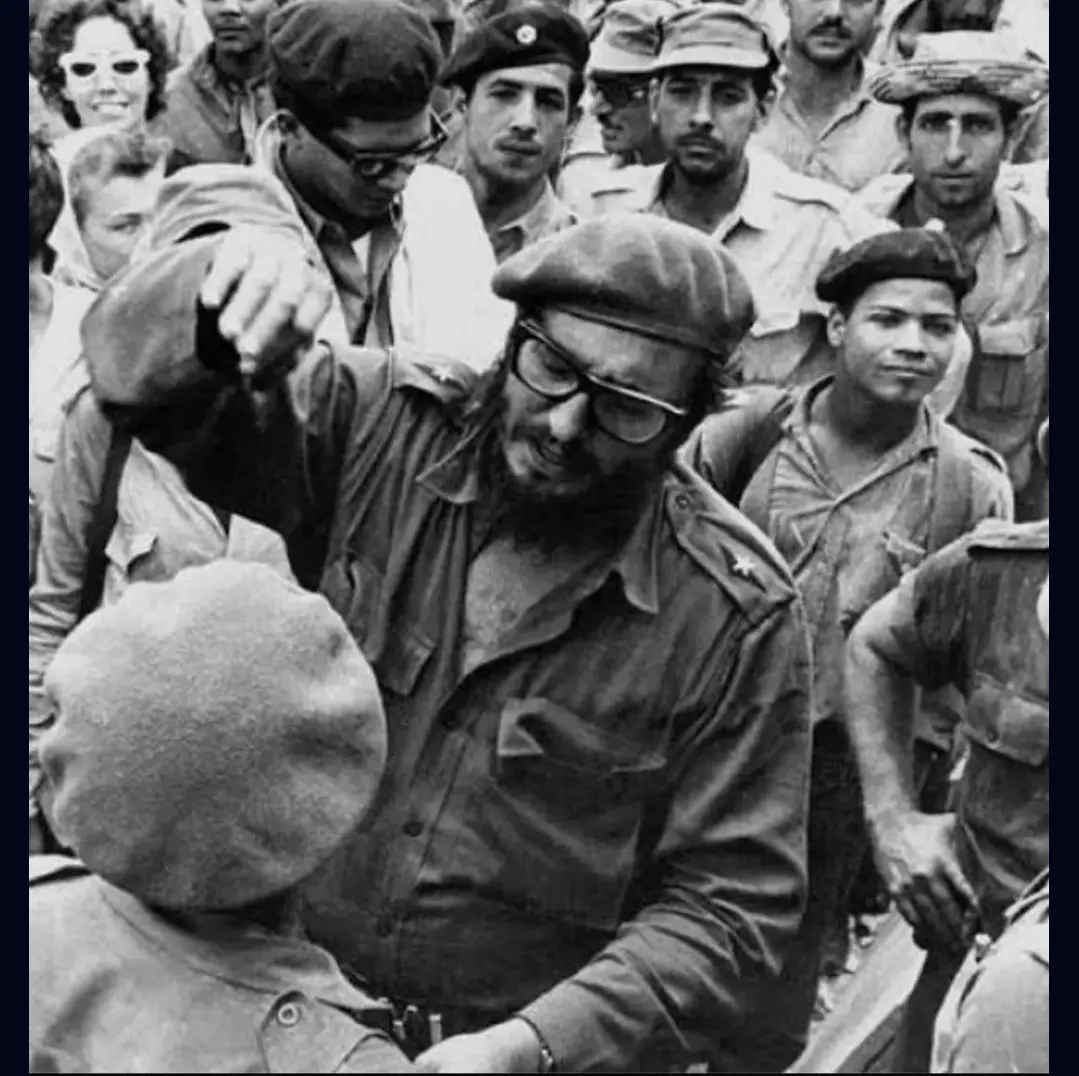
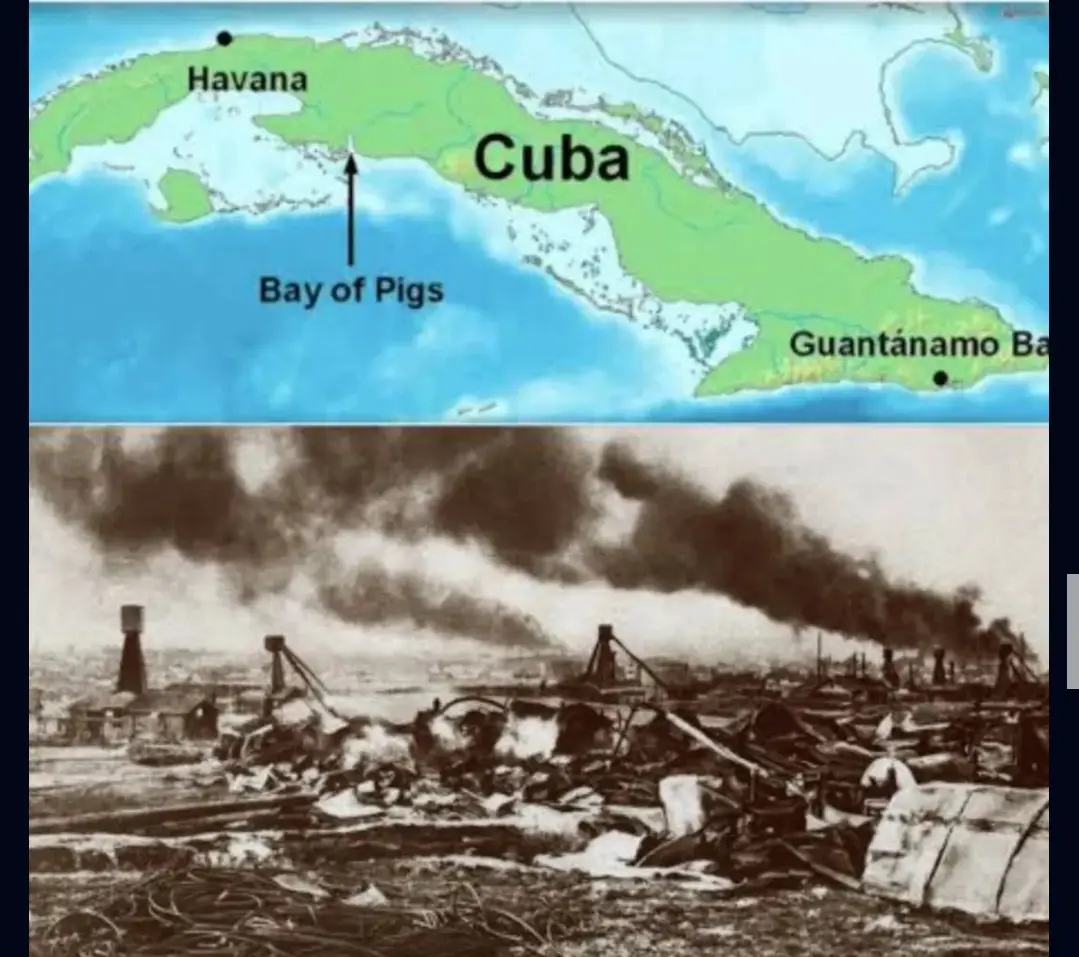
In 1961, the United States was still recovering from the embarrassment of the failed Bay of Pigs invasion—an attempt to eliminate the communist presence in the Western Hemisphere under the Monroe Doctrine by overthrowing Fidel Castro.
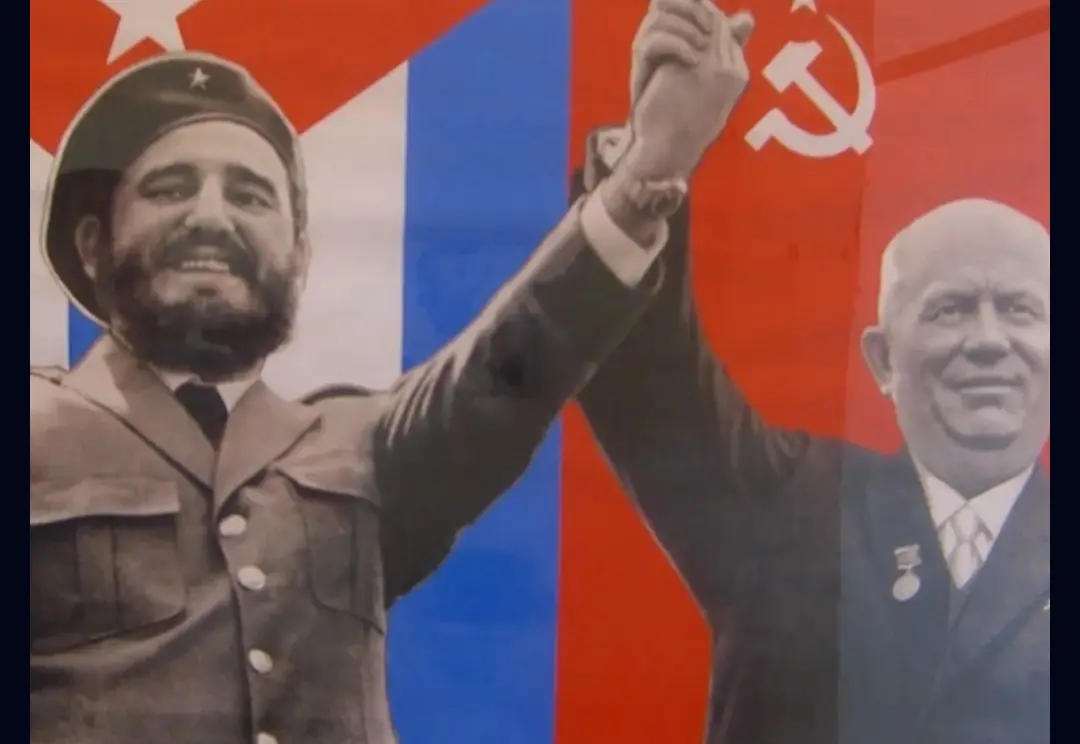
While the failed operation was a humiliation for Washington, it served as an ultimatum for Castro: the Americans would not hesitate to intervene in Cuba. To safeguard his regime, Castro opened a dialogue with Nikita Khrushchev, Premier of the Soviet Union.
§3Bay of Pigs: Aftermath and the Soviet-Cuban Nexus
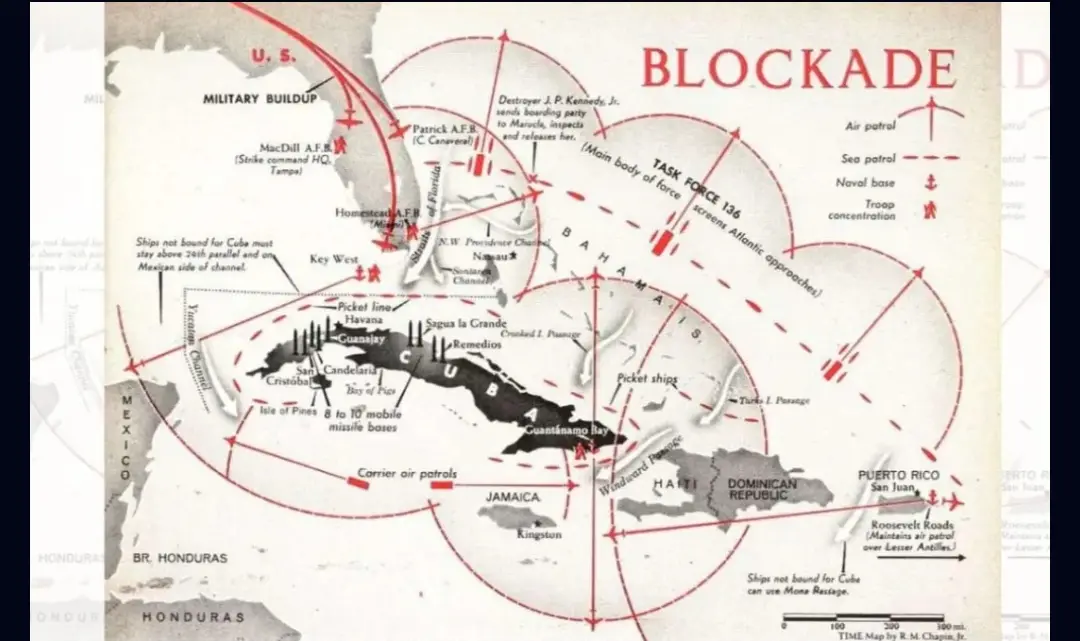
In October 1962, a US U-2 spy plane captured aerial photographs of Soviet missile sites under construction in Cuba, delivering a massive shock to President John F. Kennedy and his administration.
US President Kennedy immediately summoned EXCOMM (Executive Committee of the National Security Council) to determine a response. To avoid an immediate direct military strike, he declared a naval blockade—termed a "quarantine"—around the island to halt further Soviet military shipments.
Thus began 13 days of Caribbean turmoil that brought humanity to the verge of full-scale nuclear destruction.
§4Mishap: Black Saturday, Skirmishes, and Resolution
By October 24, the naval quarantine ensured that incoming Soviet ships either stopped or turned back. US Secretary of State Dean Rusk famously remarked:
"We're eyeball to eyeball, and I think the other fellow just blinked."
Meanwhile, the Strategic Air Command (SAC) raised the US military alert level to DEFCON 2—the highest alert level in history and the only time the nation reached one step away from nuclear war.
On October 27 ("Black Saturday"), the crisis reached its most dangerous point. A US U-2 spy plane piloted by Maj. Rudolf Anderson was shot down over Cuba. While military advisors demanded immediate retaliation, Kennedy held back.
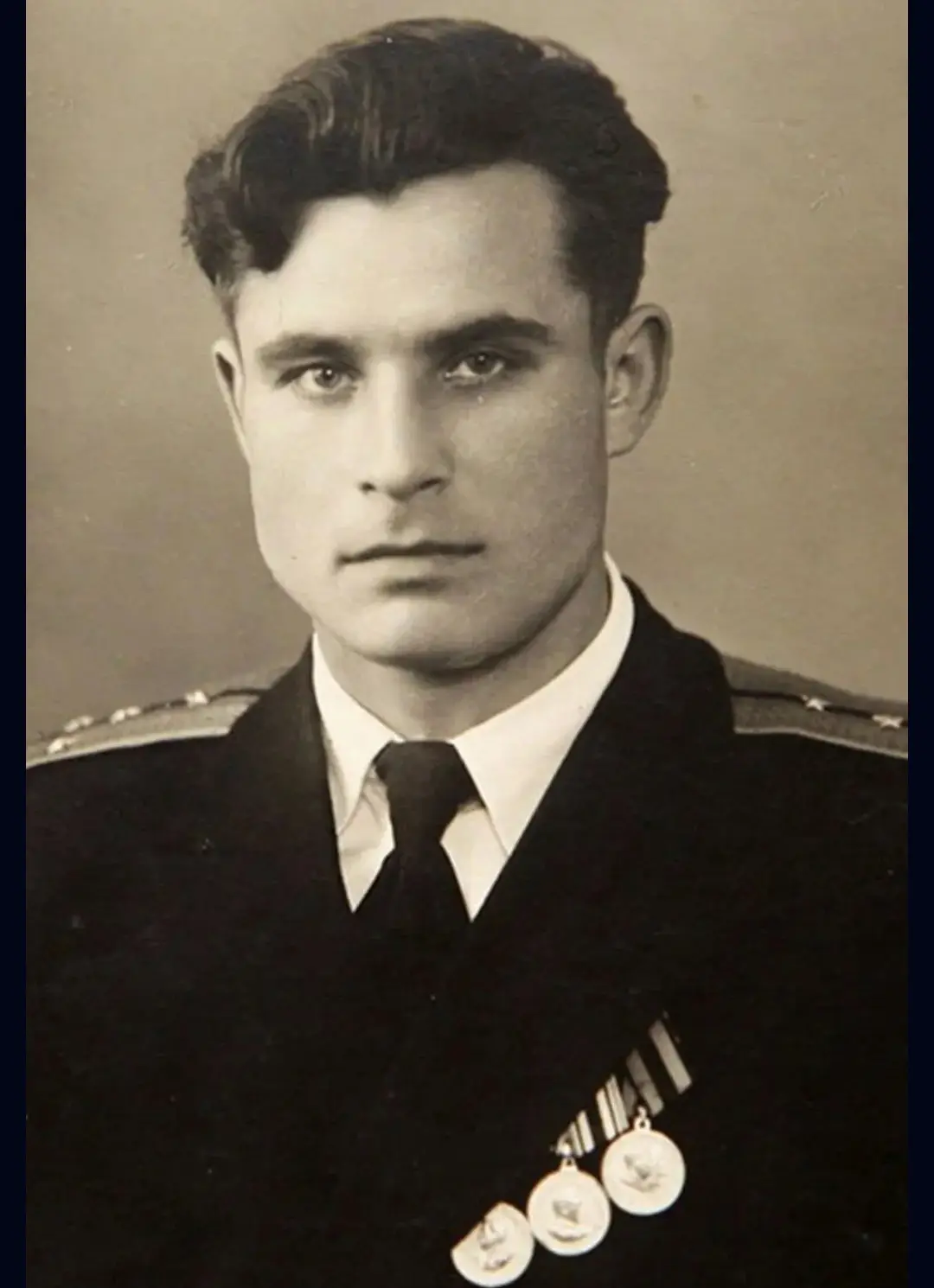
At the same time, the submerged B-59 submarine was being targeted by non-lethal depth charges from US warships, unaware that war had not actually started. Two of the three senior officers on board ordered the launch of the nuclear torpedo. However, the third officer—Flotilla Commander Vasili Arkhipov—refused to authorize the strike, single-handedly preventing a global nuclear catastrophe.
On October 28, the crisis was resolved. Premier Khrushchev announced over Radio Moscow that all Soviet missile systems in Cuba would be dismantled and returned to the USSR. In exchange, President Kennedy publicly pledged that the US would respect Cuba's sovereignty and never invade the island, while secretly agreeing to remove American Jupiter missiles from Turkey and Italy.
The Iconoclastic Society Publication

 Previously: China & East AsiaChina's B.R.I: Beginning of a New World Order