I.O.R: An Ocean of Opportunities
South Asia series
 Brahma Swarup Das28 Jul 2026 · 7 min read · 11 figures
Today, the Indian Ocean holds immense gravitas in terms of geopolitics. It has become a region of abstract power struggle amongst major nations of the World. A stage for projection of Power and deterrence.

It is rightly stated by the famous American geostrategist and naval officer Alfred Thayer Mahan:
"Whoever controls the Indian ocean will dominate Asia. The ocean is key to the seven seas. In the 21st century the destiny of the World will be decided on its waters"
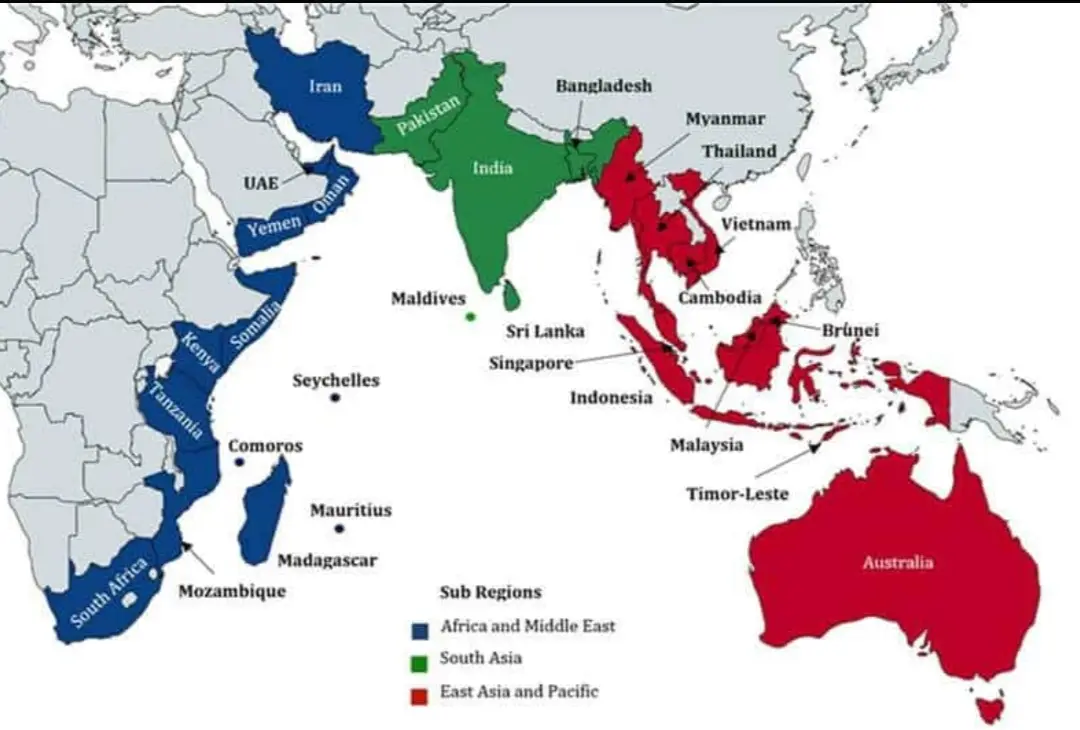
From foreign interventions in the Middle East and the war efforts over the Strait of Hormuz, to the constant Chinese expeditions in the South China Sea occupying oversea ports and threatening its neighbors in the backyard, all these developments showcase the rising importance of the Indian Ocean Region in the 21st century. Indian Ocean has become a major Power theater of the World which is entangled in a game of balance of power. A nodal point for securing national interests of several nations.
India is a peninsular subcontinent which is sitting on a mountain of opportunities. Strategic influence in the Indian Ocean will give India a critical geopolitical leverage to project power and secure its interests at the world stage.
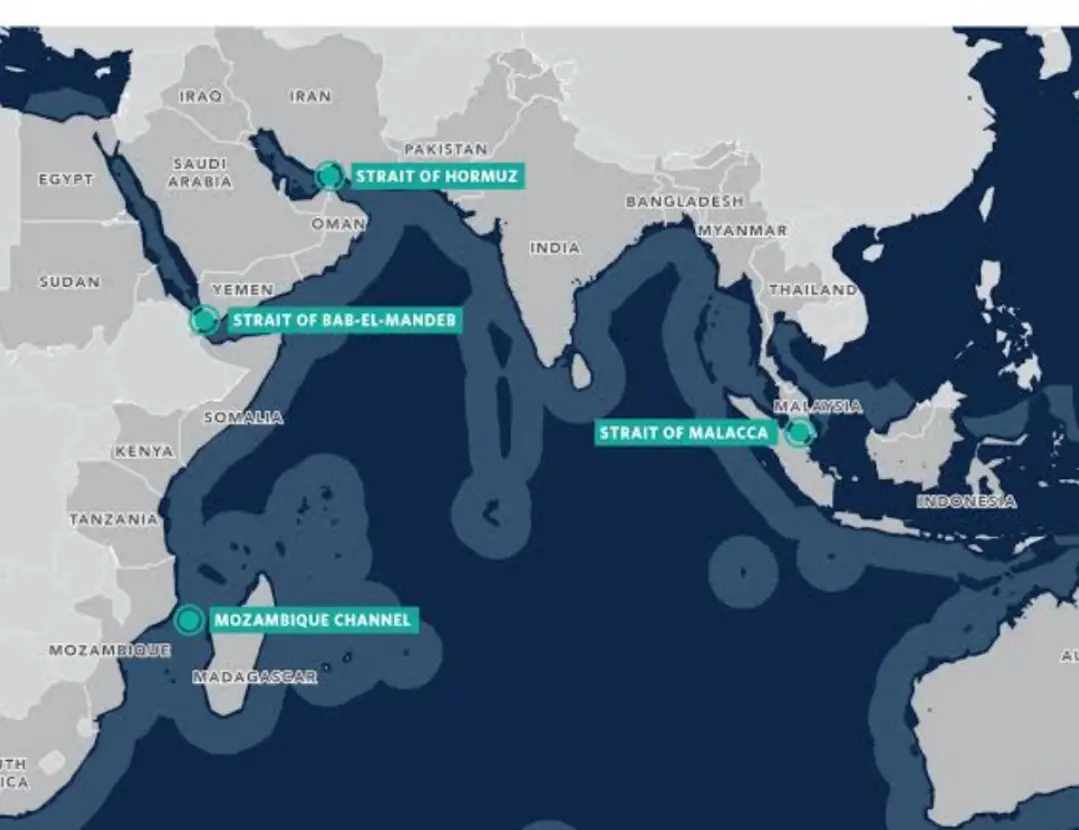
42% of the global oil trade takes place through a handful of choke points in the region. Strait of Hormuz accounts for 25% of global oil trade, connecting Indian Ocean to the Persian Gulf. This is one of the most volatile regions on earth which is marked by constant naval blockades, maritime battles and a perpetual threat to all commercial vessels passing through this point. And why not? It is the ultimate weapon of leverage for Iran to dictate its presence in the region. It gives Iran the power to threaten a Superpower like the United States and ensure its survival.
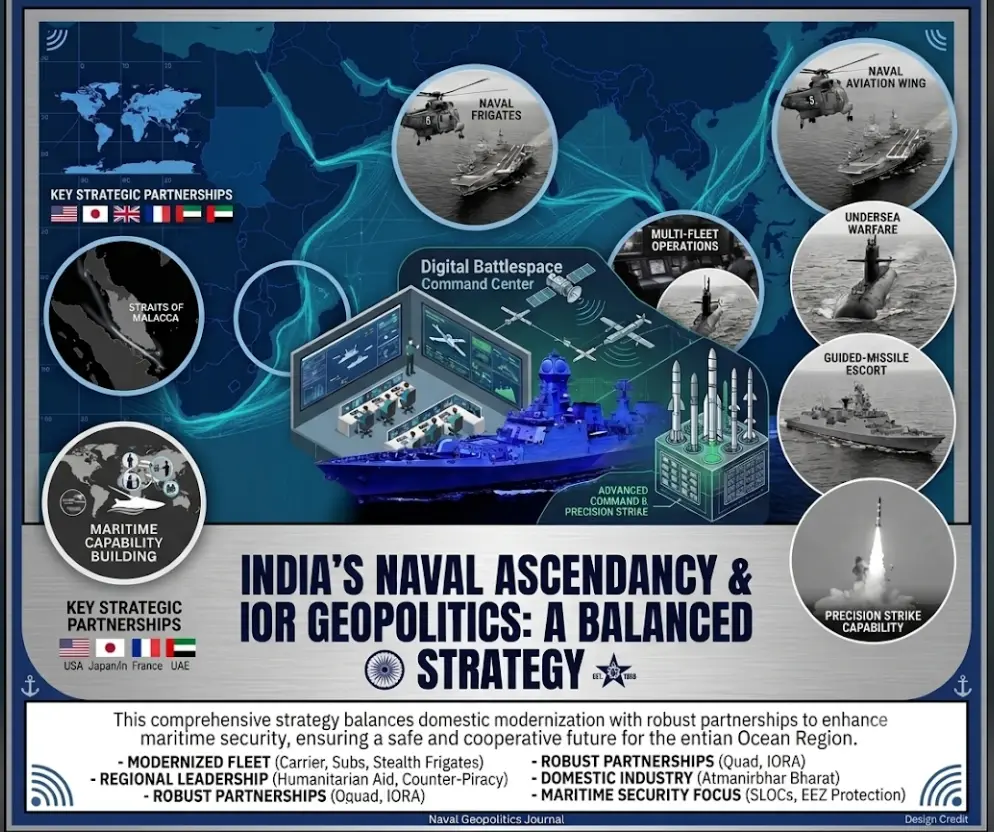
India's multilateral stance holds a sweet spot in this power struggle. It has to maneuver its way to secure its interests by cooperating between both the United States and Iran. Chabahar port safeguards India's strategic interests and builds regional influence in the Persian Gulf, it serves as a counter-active measure to equalise Chinese presence in Djibouti in the Horn of Africa.
Strait of Bab-el-Mandab is one more such critical choke point which single-handedly controls 5% of global oil trade and 12% of overall trade. It is the doorway to the Mediterranean and the West through the Suez Canal, a narrow passage through Egypt. It is highly vulnerable, as a mere threat to choke this Canal can send shockwaves across the globe directly affecting the common man's pocket. Not just trade, underground optical cables laid under these water bodies serves as the major source of information through internet for the countries in the Indian Subcontinent and rest of East Asia. A mere dysfunction in these cables can blind the nations and cut them off from the rest of the World.
More importantly, the countries that surround the Red Sea are highly unstable in nature in a plethora of dimensions. Years of economic deprivation and political instability has caused wars and major humanitarian crises in these countries. This leads to constant infighting in the region. Countries like Yemen, Somalia and Djibouti have state-sponsored militias like the Houthis of Yemen backed by state actors like Iran ensure perpetual turmoil. Pirates from these African countries serve as a life threatening impediment to sailors and commercial vessels passing through the Red Sea.
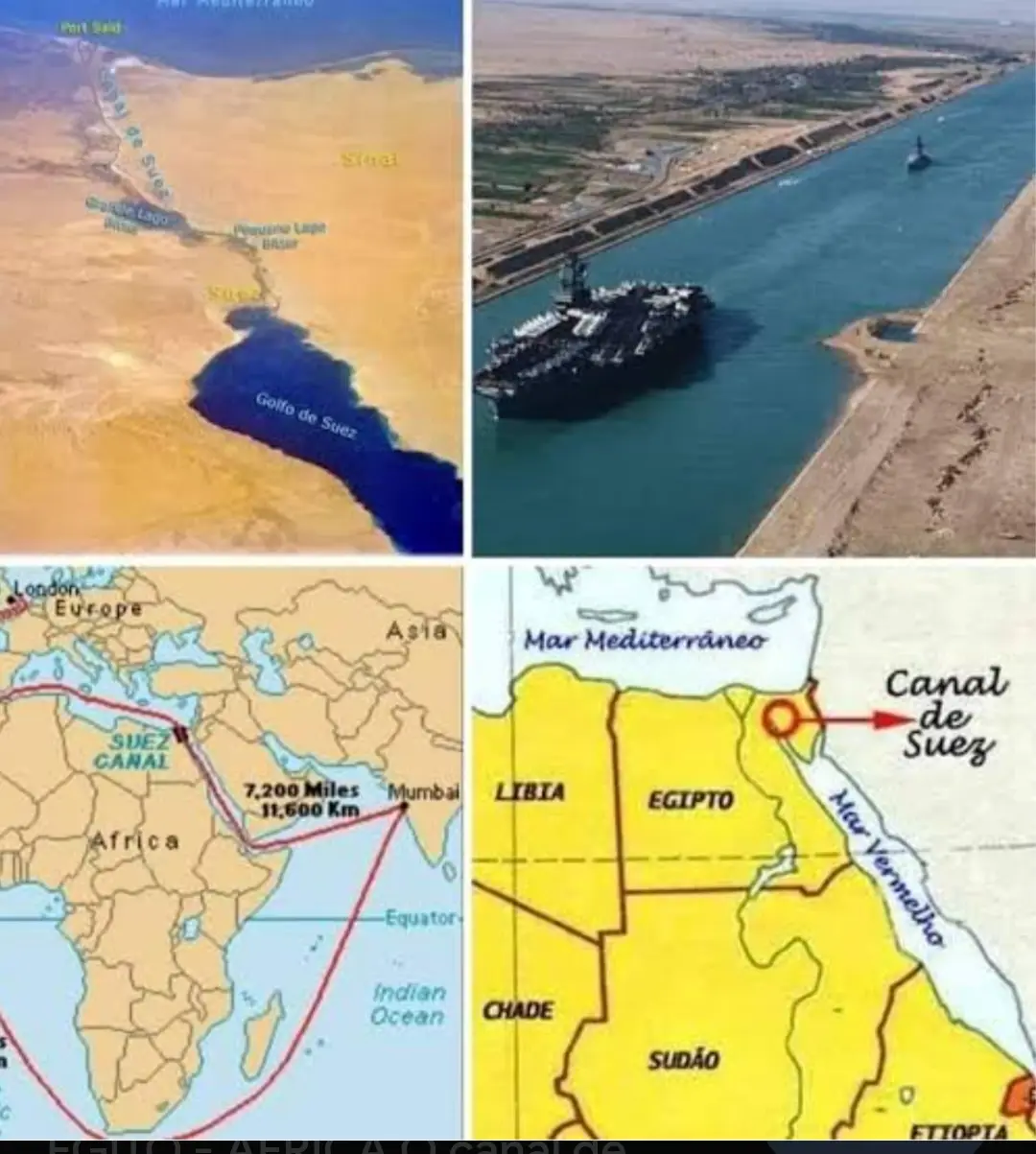
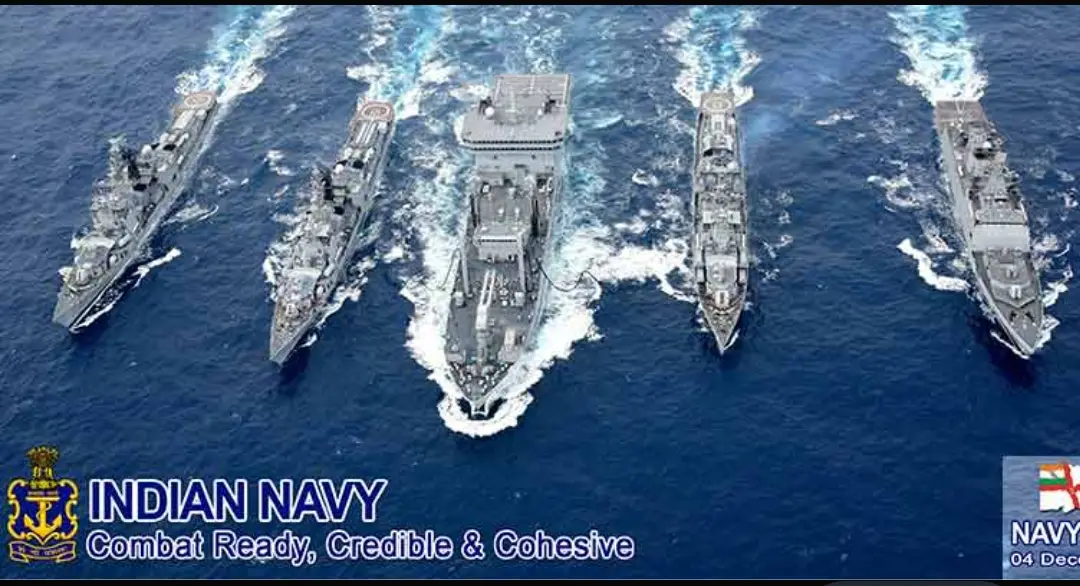
India can build its influence by empowering the Indian Navy to fight against piracy and act as a moral police for vulnerable countries in the region. It will be a great leap in India's foreign policy as it will ensure Indian power projection through elimination of piracy and soft power dominance by building cooperation between countries near the Red Sea. Moving back to the Indian backyard, the Indian Ocean.
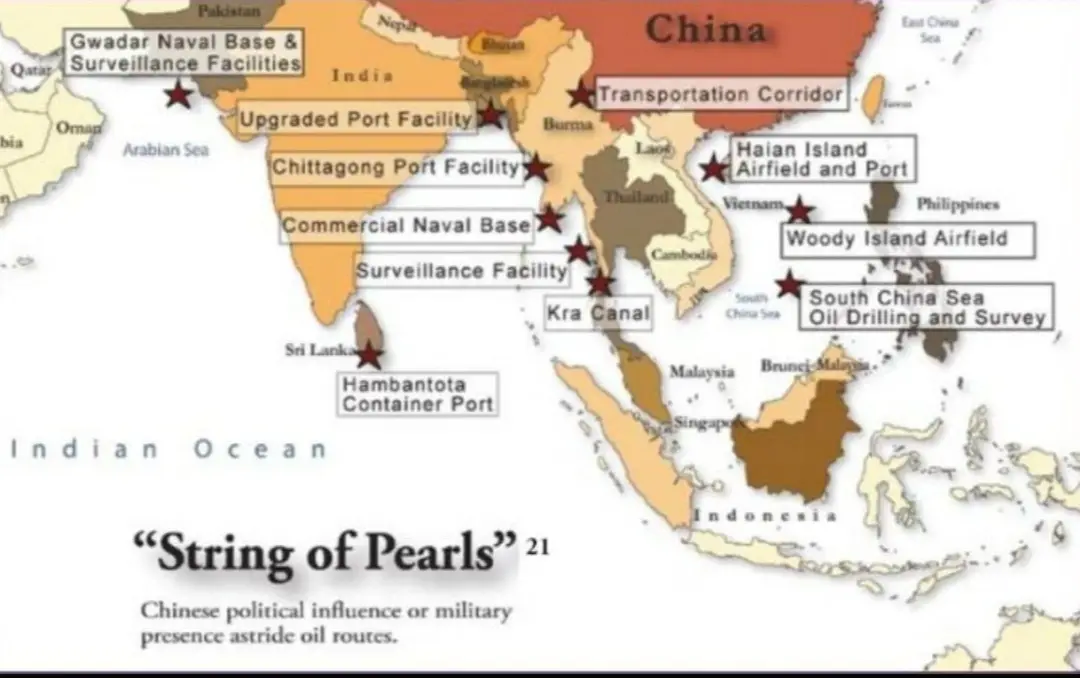
India has to deter Chinese ventures in neighboring countries like Bangladesh, Sri Lanka and Maldives. China is already building military bases alongside ports at Hambantota and Chittagong in order to strengthen its presence in Bay of Bengal as well as the Arabian Sea. China is also working upon a major commercial hub in the artificial island of Thilafushi in Maldives. It is a clarion call for the political, executive and military apparatus of India to impede upon these developments. An active foreign military port in India's backyard will be a security and economic nightmare’ as it will provide dynamic leverages to China to strike any Indian city at anytime and regulate India's gateway to the world.
All these developments come under one single umbrella principle, the 'String of Pearls' strategy to encircle the enemy from all sides to reduce its options to fight back under adverse crisis-like conditions.
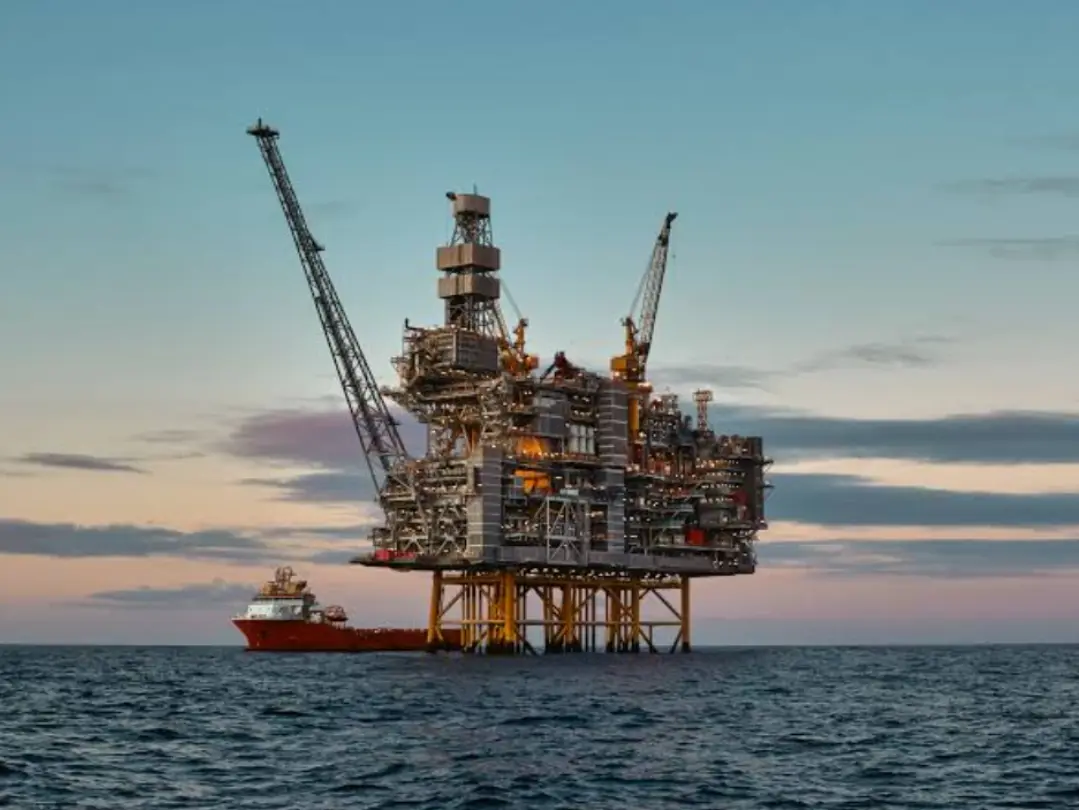
China is working on this principle not just in the Indian backyard but also in the South China Sea by threatening the sovereignty of nations like Taiwan, Philippines and Vietnam, showcasing military might. South China Sea accounts for vast reserves of oil and gas alongside being a major fishing site.
This shows that China is trying to secure its future by silent moves and incorporating principles of realism and neo-imperialism. It will ultimately help China to dictate World order to a large extent.
This is not just alarming for India but other major powers of the world as these Chinese ventures are destabilising balance of power in Asian power theater. India has devised its own strategy - 'Necklace of Diamonds' to counter China's presence.
Its prime objective is to counter-encircle China's String of ports by large-scale cooperation and asserting military presence. Most importantly, Indian ventures in the region respects territorial sovereignty of these neighboring countries unlike China which tries to secure interests through a zero-sum game of debt-traps and security threats.
India's joint-venture and cooperation in Chabahar port in Iran, and Duqm port in Oman is significantly balancing India's side in the Arabian Sea. It will help to counter Chinese operations in Gwadar port of Pakistan. India under the Kaladan Multi-modal transit project has built the Sittwe port that directly deters Chinese activities in Kyaukphyu seaport and secure the North-East Indian states alongside the highly vulnerable chicken neck. Other important nodal points include Trincomalee port in Sri Lanka which has strategic joint ventures with domestic companies like Indian Oil Corporation and ongoing efforts in Seychelles to assert India's military presence through bilateral cooperation.
All of this is surprisingly just the tip of the iceberg.
India is planning a mega-project in Great Nicobar Island with an allocation of whopping 81,000 crore rupees. If this project becomes a success then it will serve as an ultimate gamechanger of the 21st century by cementing India's presence in the Indian Ocean region. It will strategically leverage an important Chinese vulnerability - "The Malacca dilemma".
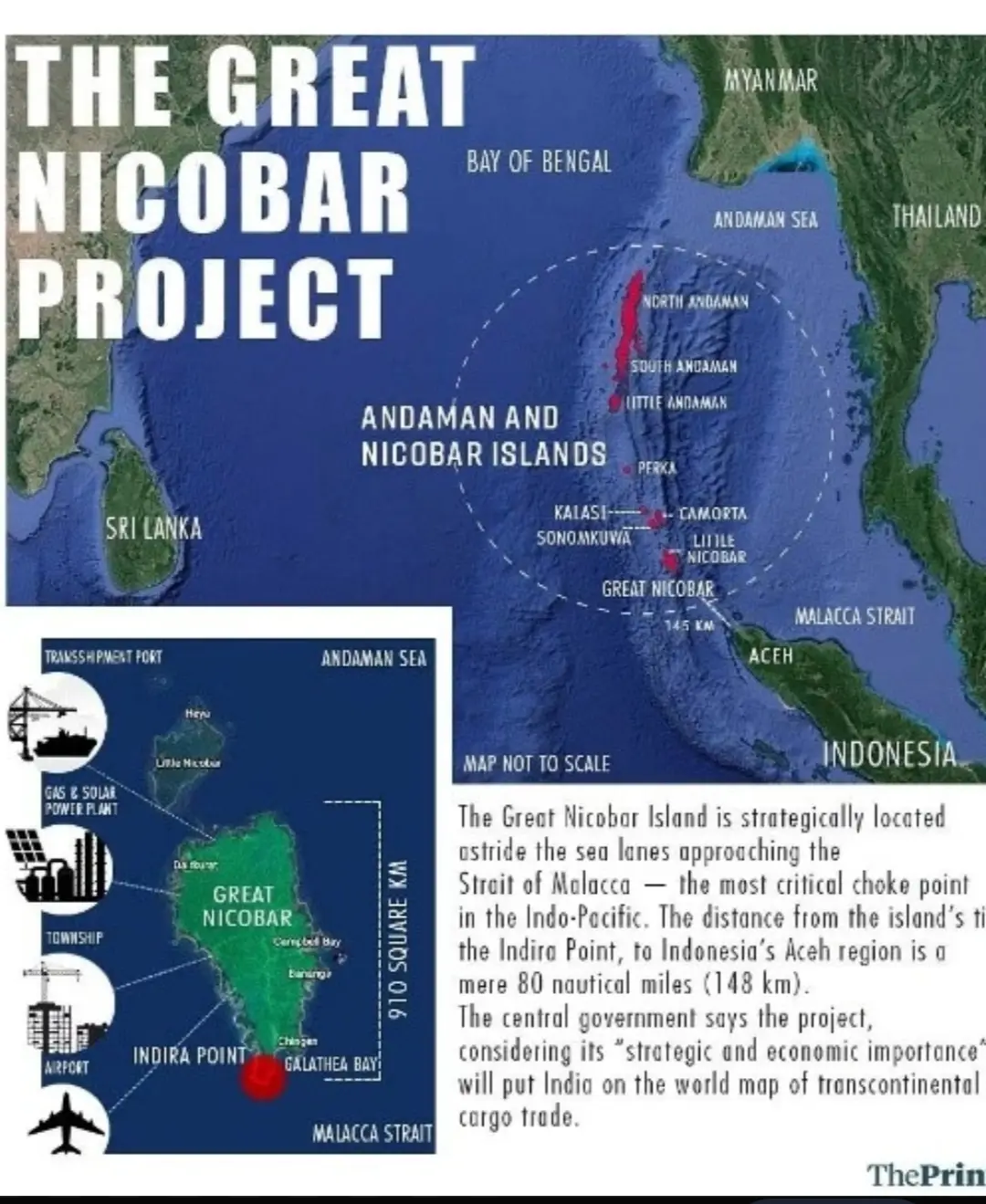
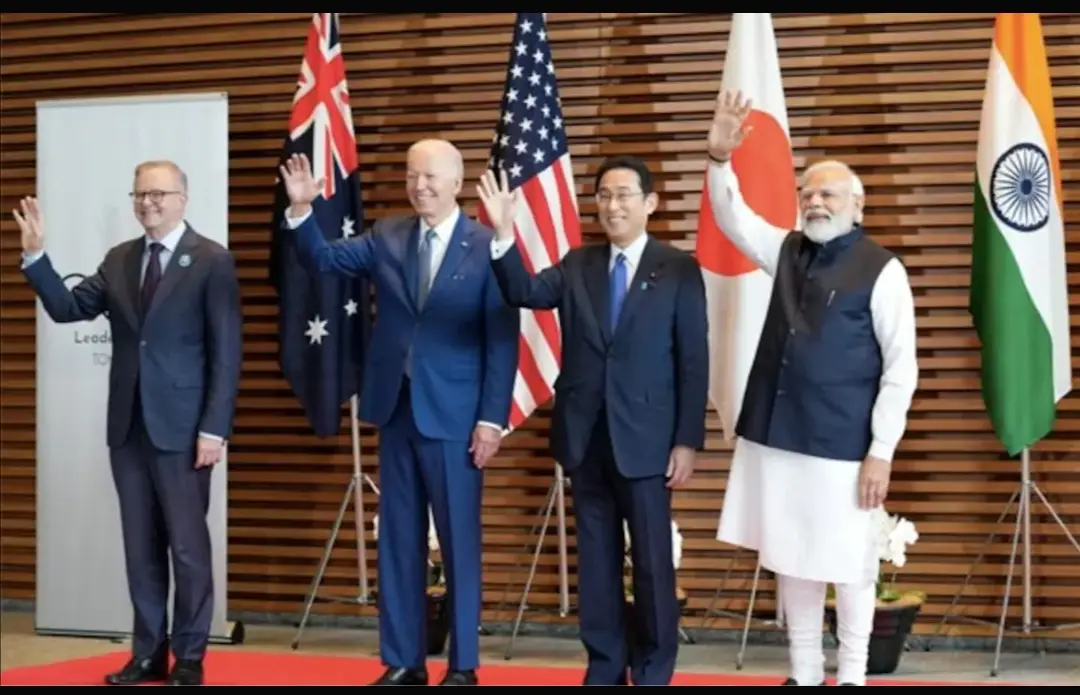
60% of China's trade passes through this narrow passage called Malacca Strait that borders Indonesia, Malaysia and Singapore. 80% of China's crude oil imports passes through this strait. An active military and maritime presence of India in Great Nicobar island, which is at a distance of less than 100 kilometres from the entrance of Malacca Strait will exponentially distort the 'Balance of Power' in IOR. Any Chinese aggression in North-Eastern or Western sector in the Himalayas can be met with punitive retribution in the Indian Ocean region. This will serve as an ultimate shield of deterrence. India is constantly putting efforts to upscale multilateral cooperation between Malaysia, Indonesia and Singapore. Indian vessels have already got permits for commercial operations and refuelling in the Sabang port of Indonesia that sits right over the Malacca Strait. The world sees India as an important medium to deter Chinese presence due to its military capabilities, inclusive foreign policy and democratic nature, India's inclusion into strategic global forums like QUAD strengthens India's stance as a dominant force in Asia.
Although the Great Nicobar project is facing immense political backlash at home due to its aggressive nature, it still has a great chance to maneuver through the issue by various methods.
It is strongly believed that aggressive buildup of infrastructure in the Great Nicobar island will lead to large scale displacement of indigenous tribes and wildlife from their natural habitats. This could cause a loss of national heritage alongside affecting the principles of sustainable development. India has to walk this tightrope effectively by balancing domestic inclusion and national security interests. Proactive measures to provide compensation to the displaced tribes through resettlement and a sustainable approach to safeguard biodiversity will help to transform Great Nicobar into a major economic hub of Asia.
Multilateral cooperation and persistent efforts from Indian side will help it dictate 'Balance of Power' in the Indian Ocean Region.
Ultimately, keeping India ahead in the race in securing the Asian Crown of Poseidon.